
Have you ever thought about a tropical getaway and wondered if there's more than just sun and sand? The Caribbean might look like paradise with its bright skies and soft beaches, but sometimes there are hidden surprises. There can be spots where crime is a bit higher or where the weather turns suddenly. It helps to check safety advice and travel tips before you go. Ready to find out which islands might need a little extra caution? Let's take a closer look at these wild destinations, giving you the heads-up you need before your next adventure.
Most Dangerous Caribbean Islands: Embrace Wild Excitement
When you’re dreaming of a Caribbean escape, it pays to know if your destination is safe. Many islands offer stunning views and warm breezes, but some also have challenges like high crime rates, political unrest, or tricky weather that can turn your vacation into an unexpected adventure.
We looked at guidelines from the U.S. Department of State and the Global Peace Index to put together a list of these spots. Think of it as your friendly heads-up before you pack your bags. Ever thought about balancing the allure of sandy beaches with a bit of extra caution? It’s always good to be prepared.
Below is a simple table that shows the islands with higher risks and what makes them challenging:
| Island | U.S. Travel Advisory | Key Risk Factors |
|---|---|---|
| Haiti | Level 4 (Do Not Travel) | Political unrest, high crime, weak healthcare, natural disasters |
| Trinidad & Tobago | Level 3 (Reconsider Travel) | Violent crime clusters, rising homicide rates, unstable infrastructure |
| Jamaica | Level 2 (Reconsider Travel) | Variable safety between tourist zones and inland areas |
| The Bahamas | Level 2 (Exercise Increased Caution) | Hurricane-related risks, crime spikes after storms |
| Cuba | Level 2 (Exercise Increased Caution) | Strict enforcement, limited emergency services, natural hazards |
Remember, even the most gorgeous seascape can turn into a wild ride if you’re not cautious. Weighing these risks is part of planning smart travel so you can enjoy the sun, sea, and culture, all while staying safe.
Key Factors Driving Danger on Caribbean Islands

Imagine spending your days on sun-kissed shores, feeling the warmth of the tropical breeze. But even paradise has its challenges that can turn a dreamy vacation into a bit of a gamble.
Some parts of these islands experience higher rates of violent crime. For instance, while you might be soaking up the sun on a lovely beach, nearby areas could be facing safety concerns due to incidents like homicides. It’s a reminder to stay aware of your surroundings.
The islands are also prone to powerful storms during the hurricane season, which runs from June to November. Stormy weather can damage buildings and disrupt travel plans, making things feel a bit unpredictable at times.
Political shifts can also play a role in your travel experience. In areas with unstable government climates, sudden changes might create uncertainty and affect how safe you feel while you explore.
Health care is another important factor. Some islands may have limited medical services, so in case of an emergency, especially if nature decides to show its unpredictable side, it might be hard to get immediate help.
Social and economic tensions sometimes lead to unexpected conflicts. These moments of unrest can raise concerns for visitors and add a layer of risk to what should be a relaxing getaway.
Lastly, outdated infrastructure and slow emergency services can further complicate matters during a crisis. In such situations, even a small delay can make a big difference in feeling secure.
Staying informed and taking common-sense precautions can help you have a safer, more enjoyable trip even in these beautiful, yet occasionally unpredictable, destinations.
In-Depth Risk Profiles of Each Dangerous Caribbean Island
Haiti: Level 4 advisory, political violence, gang activity trends
Haiti has a safety score of just 2.5 out of 5, which tells you things aren't so calm there. Since 2021, political unrest and gang activities have been common. The island still feels the weight of past conflicts, making everyday life unpredictable. Did you know? Before Haiti became famous for its art, it was widely known for prolonged periods of political violence that still affect safety today.
Trinidad & Tobago: Level 3 advisory, violent crime clusters, police resources
Trinidad & Tobago has seen its share of ups and downs over the years. Violent crimes, especially clusters of homicides reported since 2005, have been a growing concern. The police are working hard to increase their resources, yet some areas remain risky. If you're heading there, keep in mind that extra caution is wise due to these ongoing challenges.
Jamaica: Level 2 advisory, tourist-area safety versus inland risks
Jamaica offers a split safety picture. The popular tourist spots are generally safe because of stronger security, but inland regions are more worrisome, with a homicide rate of about 2.2 per 1,000 residents. This contrast means that while you can enjoy a secure resort experience, it's best to stay aware when venturing further afield.
The Bahamas: Level 2 advisory, hurricane-related vulnerabilities
The Bahamas bring their own set of challenges, especially when hurricanes hit. With a homicide rate around 1.4 per 1,000 residents, things can get riskier during severe weather conditions. Past experiences show that after major storms, crime can spike. So, if you visit, stay alert during and after hurricane season to keep safe.
Cuba: Level 2 advisory, government enforcement, emergency services
Cuba keeps its homicide rate low at 0.9 per 1,000 residents by enforcing strict government rules. However, the island’s limited emergency services and healthcare options can make unexpected events tougher to handle. While government measures help maintain order, the slower support during emergencies might be a drawback for some travelers.
Official Travel Advisories and Safety Reports for Caribbean Islands
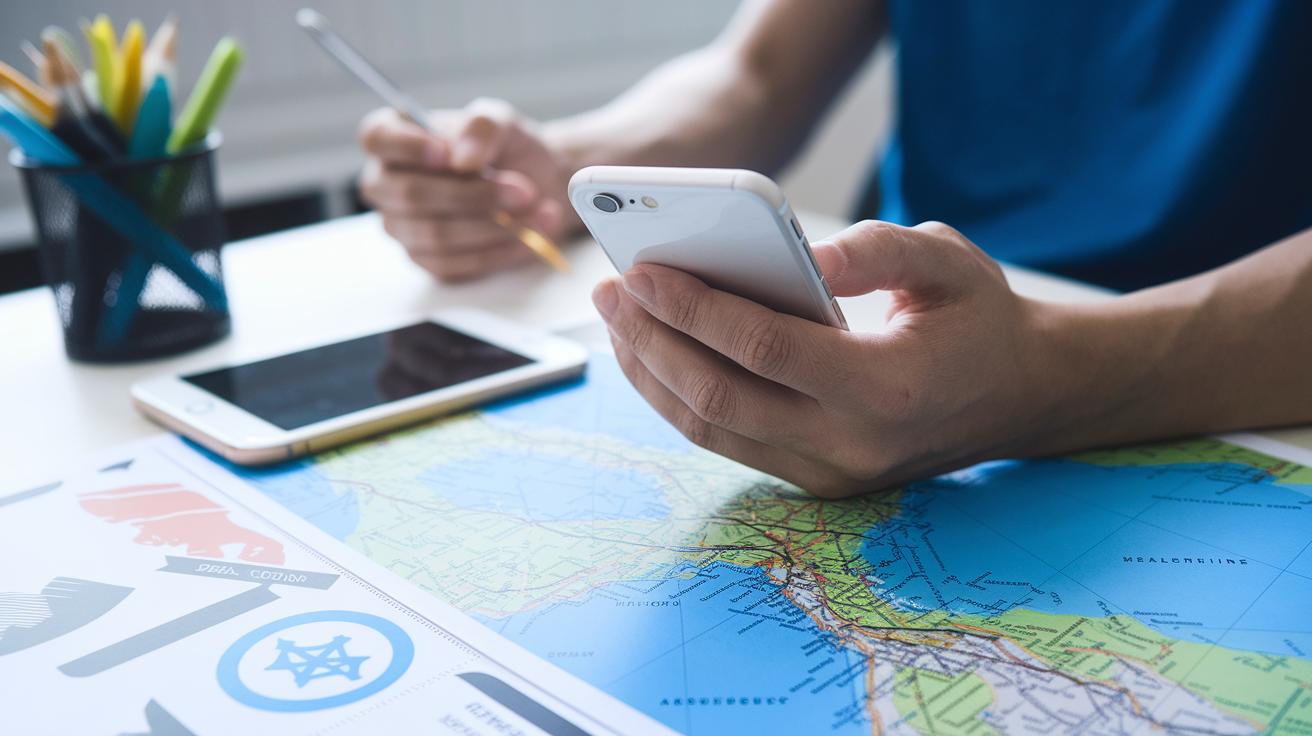
When planning your Caribbean getaway, it's smart to check travel risk reports from trusted sources. The U.S. Department of State, the World Health Organization, and the Global Peace Index all provide useful updates. The State Department, for example, looks at problems like civil unrest, terrorism, and natural disasters. They even use levels, like Level 2 for caution or Level 4 for a strong warning, so you know what to expect before booking your trip.
The World Health Organization checks how ready local health systems are to handle emergencies. Think of it as making sure your car's brakes work well before a long drive. This info can help you decide if a destination feels safe and well-prepared.
Similarly, the Global Peace Index gives a score that shows how stable a place is by looking at political calm and crime rates. It’s a bit like checking the weather before heading out; you get a quick idea of how secure a spot might be.
Remember, these advisories are just guides, not hard rules. Looking at all the data can help you find the Caribbean islands that match your travel style and comfort level. For more details, travel guide books offer clear explanations on how these reports are set up and how to use them when planning your adventure.
Essential Safety Tips for Visiting Risk-Prone Caribbean Islands
When you’re planning a trip to these islands, start by thinking about your safety. It’s a good idea to stay aware of your surroundings and be ready for surprises along the way. Sign up for the U.S. STEP program to get travel alerts and updates about local conditions. And remember, if you’re out at night, steer clear of spots known for higher risks, especially where crime might spike.
Hiring a local, licensed guide can be really helpful too. They know the area inside out and can show you safe paths and hidden gems that you might not spot on your own. Also, consider getting travel insurance that covers things like political changes or natural events, it can save you from unexpected costs. Checking local news often helps you stay in the loop about any sudden changes. And since many coastal or remote areas might not have nearby medical services, keep essential emergency numbers handy.
Here are some simple steps to keep in mind:
- Sign up for the U.S. STEP program for quick travel alerts.
- Avoid risky areas after dark.
- Hire a local guide who knows the area well.
- Get travel insurance for political and natural risks.
- Check local news for up-to-date safety tips.
- Keep emergency contact numbers close by.
Common Misconceptions About Danger in Caribbean Island Travel
Many people think that every Caribbean island is dangerous, but that's not the case. It’s easy to get lost in rumors and pictures that make the whole region seem risky. In truth, most islands offer safe resort areas with clear safety rules and modern systems for emergencies.
Crime and wild weather can also be exaggerated in stories. Today, hurricane updates and early alerts give travelers plenty of time to get ready if a storm is coming. And while crime might happen away from these safe zones, the latest numbers show that many popular spots are quite secure for visitors.
By looking at real stats and seeing how local authorities work hard to keep things safe, you can enjoy your trip with a clear mind. Next time you plan your visit, focus on reliable tips and let go of misleading ideas.
Final Words
In the action, we broke down risk levels across Caribbean islands and shared clear, expert tips on staying safe. We looked at key factors like crime data and weather warnings, giving you a closer look at what to expect.
You now have the insights needed to weigh your options while planning your cruise. Embrace well-informed choices, and let your spirit of exploration shine, even when it comes to the most dangerous caribbean islands. Enjoy planning your next memorable escape!

