
Ever thought that one small slip-up could turn your cruise into a bumpy ride? You might assume checking your passport, boarding pass, and extra ID is just a routine task, but missing even one detail can lead to delays. In this guide, we cover the key questions to ask so you can get your travel documents in order. We break down everything from online check-ins (when you can check in before you even leave home) to packing just the right essentials.
Ever felt that little thrill of knowing you’re all set for a new adventure? Answering these simple, important questions means you can look forward to clear skies and calm seas at every stop during your trip. Trust me, a bit of extra planning goes a long way. Let’s get you ready so you can simply relax and enjoy smooth sailing all the way.
Cruise Planning Documentation and Embarkation Essentials
Make sure your paperwork is in order so you can set sail without any hiccups. The basics you need are your passport and your cruise boarding pass. If you're taking a closed-loop cruise, you might want to bring your birth certificate too, but your passport should always be your go-to. It's like checking off a simple list: did I pack my passport, boarding pass, and any extra ID?
Don't forget to check in online ahead of time. Most cruise lines give you a specific check-in slot, so it's a good idea to know your time in advance. I like to print out or save a screenshot of my boarding pass; that way, even if my phone lets me down, I'm still set.
Also, take a moment to review what you're allowed to bring onboard. For instance, can you pack a small bottle of wine or champagne? Usually, a tiny bit in your carry-on is okay, but remember, larger bottles or any alcohol in checked bags might not be. And steer clear of items like travel irons or steamers, which tend to be held until you disembark.
Lastly, give your cruise checklist one more look to see if you've missed anything. There are plenty of handy tips out there for organizing your travel documents, so use them if you need that extra bit of help. Checking every item off your list will leave you feeling confident and ready for every moment of your adventure.
So, which documents are you giving an extra once-over tonight?
Cruise Planning Itinerary and Voyage Logistics Queries

First off, let's chat about your dream destination. Are you leaning toward the sunny, warm waters of the Caribbean, the icy wonders of Alaska, or the rich cultural experience of Europe? Each place brings its own magic. You might spend a lazy day at sea enjoying the pool and lounges, then switch it up with a lively port visit full of local charm. Imagine a day where you relax with a soothing spa session before adding a burst of adventure with a zip-line ride at a coastal town.
When mapping out your cruise, keep in mind the balance between time on the ship and time exploring onshore. Big ships often pack in loads of activities, from varied dining options to fun rides like go-karts, though they do host more folks. On the other hand, smaller ships offer a warm, intimate vibe even if the choices are fewer. Think about what suits your style best, a bustling scene full of options, or a cozier, quieter escape.
Also, don’t forget to plan your transfers. Booking a good, reliable ride from the airport to the port can really ease your travel worries. Season matters too. Summer cruises might be busier with families and higher fares, whereas fall can be quieter with occasionally cooler weather. So, what mix feels right for your perfect cruise vacation?
Cruise Planning Budget and Cost-Saving Strategies
Before you set sail, take a moment to see what your fare covers. Most cruises include meals in the main dining room and buffet, plus free coffee, tea, and juice. But if you fancy a special dinner, premium drink packages, or a bit of fun at the onboard casino, you'll want to plan for extra costs. I always ask myself, "What extras do I need to set aside?" Don't forget that daily tips can add up, usually around $16 to $18 per person. Some lines even include these in the fare, so it never hurts to compare before you book.
When you're booking early, think about whether locking in shore excursions, specialty meals, or drink packages during sales might save you cash later. Sometimes booking ahead can also earn you onboard credit to stretch your budget even further.
Keep an eye on the fine print, too. Cruise contracts come with different refund rules and cancellation fees. It might be a good idea to grab some independent travel insurance after you put down your deposit. This extra step can help protect you if unexpected events come up or if there are any financial issues with the cruise provider.
Here are some questions to keep in mind:
- Which onboard extras fit my budget?
- Are gratuities already included, or should I plan for them separately?
- Do I understand the refund terms in my cruise contract?
Cruise Planning Cabin Selection and Stateroom Criteria

When picking your cabin, it all begins with knowing what kind of traveler you are. If you love exploring the ship and visiting ports, an interior stateroom might be your best bet. It’s a snug and wallet-friendly option that leaves extra cash for fun treats onboard. Imagine a cozy room that saves your money for the things you love.
Next, check out cabins with windows, balconies, or even suites. These let in natural light and give you lovely views right from your own space. Suites offer a lot more room and extra comfort, but they do cost more. With that extra space, you can neatly arrange your belongings, making the cruise smooth and carefree.
The cabin’s location on the ship is important too. Rooms near the middle usually move less, which can ease any worries during choppy waters. On the flip side, cabins higher up might sway a bit more but offer amazing vistas.
Families often look for interconnecting cabins close to kids’ clubs to keep everyone together, especially if you have kids aged 3 to 17. Meanwhile, solo travelers and seniors might prefer the quieter decks for a more laid-back experience. So ask yourself, what room fits best with your travel style?
Cruise Planning Dining Options and Activity Offerings
When you're getting ready for your cruise, think about what kind of dining experience suits you best. Most cruises offer a classic dining room and a buffet full of hearty dishes all day long. But if you're looking for something extra special, you might want to try one of those specialty restaurants that come with a little extra charge. Imagine sitting down to a gourmet meal made just for you, it's a little treat while you sail away.
Have you thought about your drinks, too? Many cruises have beverage packages that let you enjoy your favorite drinks without breaking the bank. Still, some cruises charge for each drink, and specialty cocktails or wines might cost extra. So, it’s a good idea to ask yourself, "Should I pay per drink or go for a package?" Reminds me of a friend who saved money by picking a drink package over buying drinks one by one.
And don’t forget the fun onboard! Cruise ships often feature shows that feel as grand as Broadway, funny stand-up routines, cool ice-skating shows, and even water acts. Some of these events might need a reservation first. Asking, "Which shows should I book ahead?" can help you plan a memorable evening every night.
If you’re traveling with kids, there’s plenty in store for them too. Programs like Adventure Ocean and Camp Ocean are set up for kids aged 3-17, making sure they have plenty of fun that’s just right for their age. It’s great to ask, "What activities will keep my little ones smiling throughout the trip?"
Here are a few questions you might keep in mind as you plan your dining and entertainment:
- Which specialty restaurant sounds like a perfect fit for my taste?
- Should I compare the cost of a beverage package with paying per drink?
- Which shows or performances should I book early to secure a spot?
Cruise Planning Safety, Insurance, and Health Queries

When planning your cruise, it helps to ask about the ship's safety features right from the start. Try asking, "What safety measures are on board?" Most ships have a fully equipped medical center with trained staff ready for emergencies. Since these services can be charged to your onboard account, knowing the costs ahead of time can really help with your budget.
Next, think about your insurance. Ask yourself, "Do I need extra, independent cruise insurance?" This extra coverage can be a lifesaver by paying for medical emergencies, evacuations, or any issues with the cruise line. It’s a good idea to check, "What does my policy cover if something goes wrong on board?" This way, you won’t be caught off guard by any unexpected costs.
Don’t forget to ask about health protocols too. You might say, "What vaccinations or tests should I have before I sail?" Cruise lines often update their rules, which might include mask requirements or health screenings. Keeping up with current guidelines is a simple way to protect yourself and fellow travelers.
Here are a few more questions to consider:
| Question | Why It Helps |
|---|---|
| Will there be extra health checks at boarding? | It prepares you for any additional screenings. |
| How do I access the ship’s medical center for minor injuries? | Ensures you know where to go if you feel unwell. |
| Are there extra fees for onboard medical care? | Helps you plan your budget better. |
By asking these questions, you boost your confidence and help ensure a smoother, safer trip at sea.
Cruise Planning Shore Excursions and Port Engagement
When planning your shore trips, start by asking yourself, "Should I book activities through the cruise line or try a local operator?" Booking with the cruise line can make it easier to return on time for the all-aboard call, while local providers might save you some money, but they can also risk a few delays. It all comes down to what feels right for you.
Next, think about what you’d like to do when you’re off the ship. Are you in the mood for a sightseeing tour, sampling local food, soaking up some culture, or maybe a bit of adventure? Each choice lets you experience the port’s unique charm, like walking through a lively market where every turn tells a story. Ever wonder if a guided tour might reveal some hidden gems?
It’s also a good idea to check out the port facilities. Ask yourself simple questions like, "How smooth is the check-in and check-out process?" and "Is the luggage handling up to par?" Finding out if there are steady shuttle services can help you plan your day without the stress of missing your ship.
Lastly, take a moment to research local safety tips. Look into the transportation habits, useful currency exchange info, and any local advice. This little homework helps ensure that every shore excursion lives up to your expectations while keeping you safe throughout your cruise.
Cruise Planning Internet, Communication, and Disembarkation Logistics
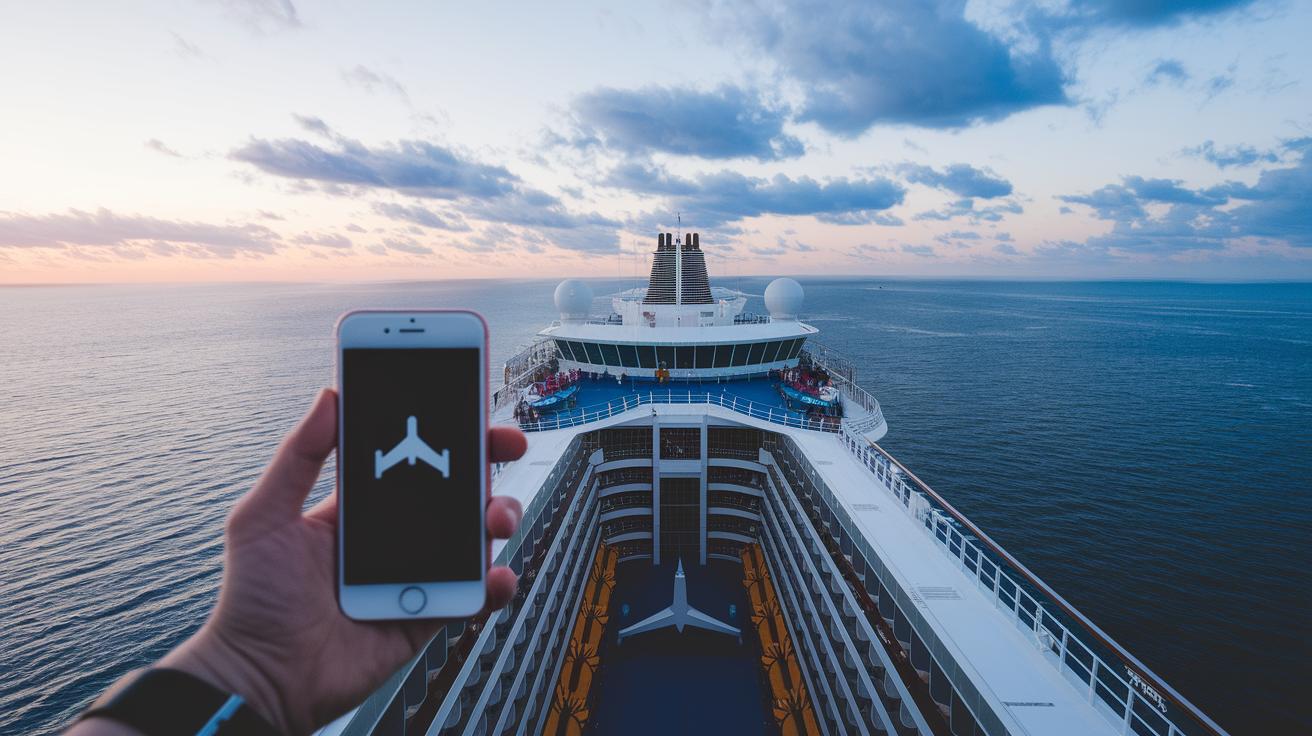
Staying connected while cruising can be a big worry. A good idea is to ask, "What Wi-Fi packages do you offer?" Often, you'll find that Wi-Fi is sold either by the day or by the amount of data, and the onboard rates might be steeper than what you could get before your trip. Also, see if there’s an unlimited texting plan available, even though VOIP apps might work a bit patchy when you're out on the ocean.
It helps to put your phone in airplane mode during the cruise so you can still catch important alerts without those extra roaming fees. And before you set sail, download any must-have travel apps; it's like having a backup plan if your connection goes down.
It’s smart to plan ahead for getting off the ship. Check your departure time and know when you need to leave. Usually, each guest is assigned a specific time, and your luggage gets tagged the night before. Keep your essential items in your carry-on, since that’s your go-to kit right up until the final morning.
After you disembark, think about your next move. Decide if a cruise-line shuttle, a private taxi, or public transit fits best with your plans by asking yourself, "Which option offers a smooth ride and reliable timing?" Sorting out these details ahead of time makes your journey after the cruise just as easy as enjoying your time onboard.
Final Words
In the action, you’ve uncovered key details on travel documents, itinerary layouts, budgeting, cabin choices, dining styles, health protocols, and even shore activities. Each part shows you how to plan a cruise that fits your style and needs. The guide paints a clear picture of what to expect, from seamless check-in to a smooth disembarkation. By addressing essential questions for cruise planning, your next trip will feel prepared, fun, and full of memorable moments. Enjoy every wave of your upcoming voyage!
FAQ
Q: What are the essential questions for cruise planning?
A: The essential questions for cruise planning cover needed documents, check-in tips, cabin options, and onboard activities. They guide you through budgeting, packing, and choosing shore excursions for a smooth trip.
Q: How should I plan a cruise for the first time?
A: Planning a cruise for the first time means reviewing ship policies, preparing travel documents like your passport and boarding pass, and scheduling check-in times. It also helps to research cabin choices and shore activities.
Q: What is the 3:1:1 rule on cruises?
A: The 3:1:1 rule on cruises usually refers to liquid restrictions in your carry-on. It sets limits on container sizes and total volume, so it’s best to confirm details with your cruise line before departing.
Q: What is the first step to consider before planning a cruise trip for your client?
A: The first step is to review essential travel documents and embarkation protocols. Knowing what you need, like your passport and boarding pass, helps set clear guidelines for booking and packing.
Q: What does pineapple mean on a cruise?
A: The term pineapple on a cruise is a friendly signal of welcome among travelers. It suggests a relaxed atmosphere and encourages conversation and community on board.
Q: What are some essentials for a cruise?
A: Some cruise essentials include your passport, printed boarding pass, necessary travel documents, and a small carry-on bag with key items. A packed checklist helps prepare you for onboard experiences and shore excursions.
Q: Are there specific questions for Celebrity Cruises?
A: Celebrity Cruises questions often center on cabin selection, dining options, onboard activities, and booking details unique to that line. Reviewing their specific guidelines is key to a smooth vacation.

