
Have you ever thought about how smoothly a cruise ship can operate? Today's ships mix smart sensors with clear digital maps to keep everything running just right. They have clever navigation, live updates, and safety systems that all work in sync. Plus, features like in-room Wi-Fi and high-resolution radars help make your time onboard feel effortless. Think of it this way: these smart upgrades turn a regular cruise into a modern adventure where every moment flows seamlessly.
Modern Vessel Systems in the Cruise Technology Guide
Today’s cruise ships bring together navigation, communication, safety, entertainment, energy, and automation into one smooth system. These ships use smart sensor networks that keep track of operations all day, making sure everything runs just right. For example, the Icon of the Seas has added 14 new tech upgrades, including safe in-room Wi-Fi at hotel rates, which really makes staying connected simple.
At the core of these systems are navigation tools that use clear, high-resolution radar and up-to-date maps to guide the ship accurately. Communication links allow crew members to share news instantly, even while you enjoy dinner on deck. Imagine hearing, during a relaxed evening, that your next port stop will catch the golden light of sunset. It makes the tech feel warm and personal.
Safety is a major focus too. High-definition cameras and clever sensors watch over the engines, hull, and fire systems to spot any issues fast. Data from all these areas is pooled into a single cloud system so the crew can see the whole picture at once. Energy systems also work hard to balance the needs of propulsion and hotel functions, ensuring smooth sailing and lower emissions.
Passengers benefit a lot from these smart touches. Digital screens, in-cabin tablets, and interactive kiosks all provide real-time updates about schedules, dining options, and fun onboard activities. All these features work together to boost the ship’s efficiency and make every guest feel cared for. This thoughtful mix of technology helps turn a cruise into a memorable journey where everything feels hassle-free.
Digital Navigation Platforms in the Cruise Technology Guide
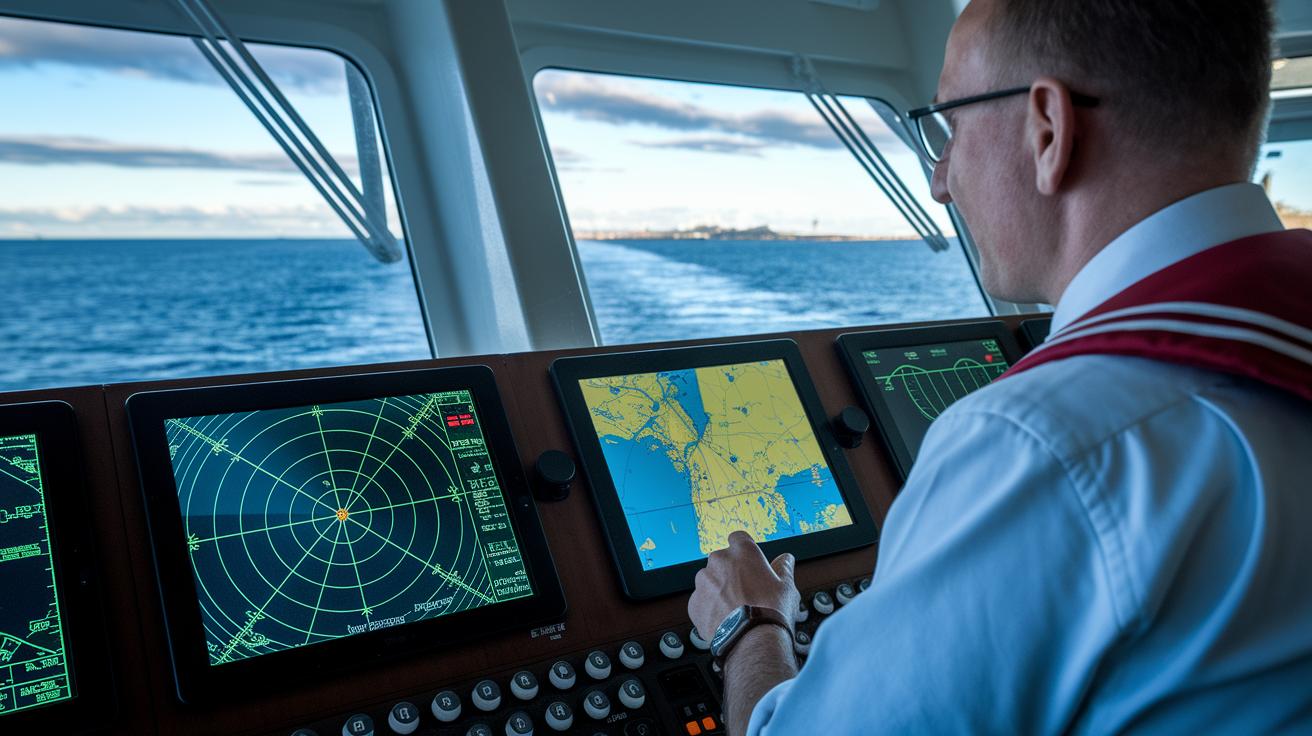
Modern ships count on smart digital tools that mix top-notch radar with clear maps and live chart updates from satellites. On Quantum Class ships, high-detail radars team up with clever checks that compare route info with the weather and nearby traffic. These systems merge digital maps with automatic route planning to help you steer clear of trouble. Just imagine knowing your spot on the open sea in real time, almost like having a reliable travel buddy guiding your way.
Below is a comparison of five key navigation solutions, each with its own unique strength:
| Platform Name | Primary Function | Accuracy Level | Data Source | Key Benefit |
|---|---|---|---|---|
| RadarX | Real-time tracking | High | Satellite links | Accurate route updates |
| MapSync | Geospatial mapping | Very High | GIS data | Automated hazard avoidance |
| NavPro | Predictive diagnostics | High | Real-time sensors | Weather and traffic insight |
| RoutePlan | Automated route planning | Very High | Multiple integrations | Efficient navigation |
| ChartMaster | Digital mapping | High | Satellite charts | Consistent accuracy |
These software-powered tools are changing cruise navigation by pairing rich data with smart accuracy boosts. That means smoother and safer sailing every time, letting you enjoy the ride without worrying about surprises along the way.
Smart Onboard Connectivity in the Cruise Technology Guide
Modern cruise ships now offer smart connectivity that makes your journey smoother and more enjoyable. They use systems like VSAT and LTE/5G hybrid networks to deliver fast internet speeds, almost as fast as what you’d expect on land. Whether you’re relaxing in your cozy cabin or wandering the deck, you can stream your favorite shows, check your emails, or update your travel plans without any fuss.
Every corner of the ship is connected. Wireless networks support handy apps that let you see your itinerary, explore interactive menus, and request services easily. It truly feels like the entire ship is one smart hub where both guests and crew stay in the loop.
Cloud-based systems keep all the software up to date with minimal downtime, and satellite links ensure that even when the ship sails into remote waters, you’re always online. This smart onboard connectivity means every inch of the ship is covered with a steady, high-speed connection, making your cruise both relaxing and engaging.
Automated Safety Protocols in the Cruise Technology Guide
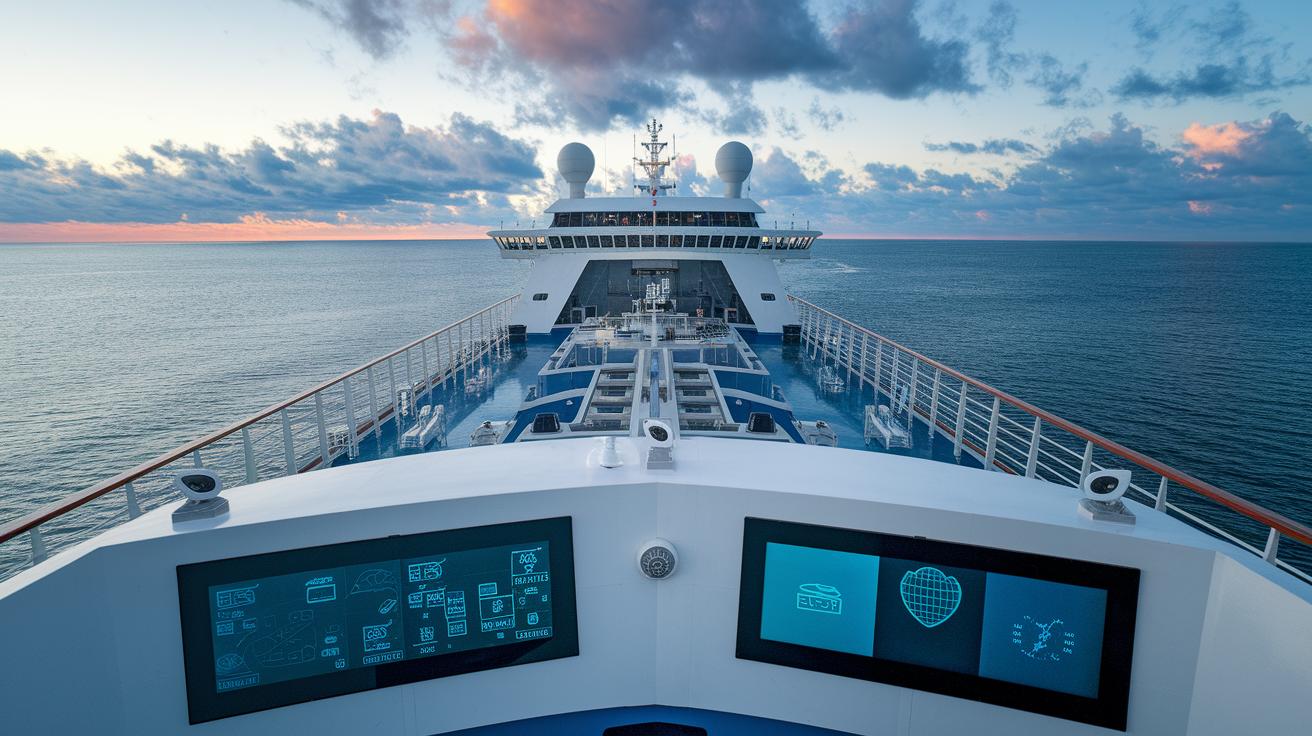
Modern cruise ships rely on smart, automatic safety systems to keep everyone safe at sea. At the ship's heart are control panels that watch over things like fire safety, engine health, and the ship’s structure. When a sensor notices a change, a network of sensors quickly sends that information to an AI system, which then figures out what to do, just like having a super-smart guardian on board.
High-definition CCTV cameras add another layer of safety by letting the crew see live images of important areas. These cameras work together with smart alarms that start emergency steps in just seconds. If something seems off, automatic systems check and alert the crew right away.
On top of that, advanced control setups bring together data from every sensor in one clear view. This single dashboard lets operators keep track of everything from engine performance to weather changes. In a way, the whole ship works like one big, coordinated team that spots problems before they become big issues.
Regular testing and upkeep of these safety systems keep them running smoothly so you can relax and enjoy your cruise with peace of mind.
Predictive Maintenance and Performance Tracking in the Cruise Technology Guide
Cloud-based platforms collect sensor data from engines and other machinery, forming the very heart of onboard maintenance systems. Think of it this way: your engine sends little signals, almost like a friend giving you a nudge, to alert the crew that it might need a check-up. This neat system uses those signals to plan repairs ahead of time, stopping small issues before they turn into big, troublesome problems.
Engineers on shore can easily view live dashboards that show key details like fuel use, propulsion strength, and generator loads. This real-time tracking helps technicians tweak operations and boost fuel efficiency as needed. And if something seems off, remote monitoring lets experts jump in and solve the problem quickly, even from a distance.
By gathering all this data and putting it to work with smart analytics, cruise ships can avoid unexpected delays and keep everything running smoothly. Essentially, potential maintenance hiccups become planned service checks. This smart approach not only keeps the ship running like a well-oiled machine, but also makes sure every voyage is as smooth and enjoyable as can be.
Interactive Passenger Interfaces in the Cruise Technology Guide
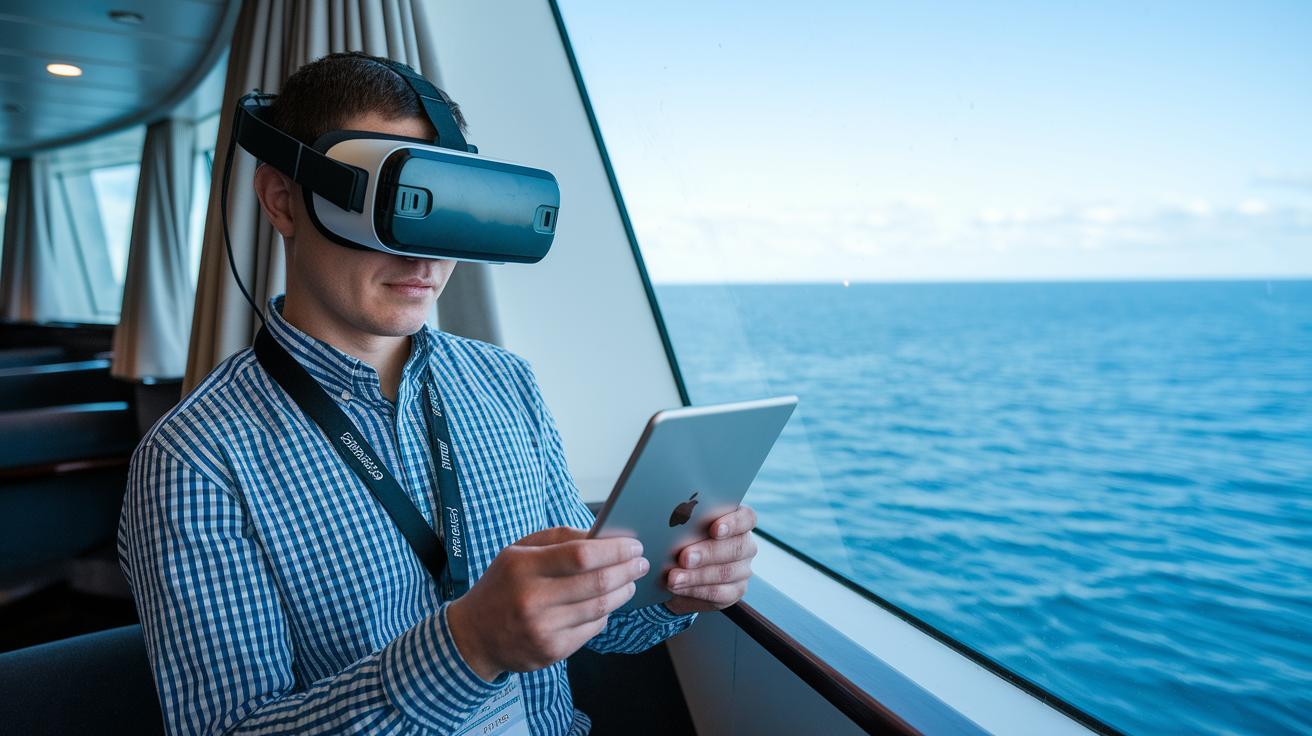
Interactive interfaces on board make every moment feel special. Digital screens and touch controls are found in cabins and public areas, letting guests easily check schedules, book extras, or stream entertainment. Imagine taking a few taps on your tablet to view your itinerary, it's almost like having a friendly concierge right at your fingertips.
Virtual reality preview stations let you take a sneak peek at shore excursions before you even leave the ship. Picture this: a VR display invites you to "Experience the charm of a local market as if you were there," sparking excitement for the adventures that lie ahead. Such experiences blend technology and travel, creating a fun and immersive preview of what awaits you on land.
Then there’s the Two70 robotic shows, where live performances mix with robot choreography for a fresh twist on onboard entertainment. Mobile check-ins and handy app notifications keep you informed, whether it's a nudge about dinner or a heads-up for a special event. Even dining is streamlined with digital menus, so you can order right at your table without any fuss.
Interactive kiosks placed around the ship give you quick access to bookings and event updates. They let you customize your schedule so that every moment on board feels engaging, personal, and perfectly paced to your taste.
Sustainable Propulsion and Energy Management in the Cruise Technology Guide
Today’s cruise ships are embracing smart, green power systems that not only cut down on harmful emissions but also help keep operating costs low, all while keeping passengers comfortable. The new LNG hybrid engines, for example, can cut emissions by nearly 20%. That means cleaner air and a more eco-friendly experience as you float along the seas.
Imagine this: waste heat recovery systems capture energy from the ship’s exhaust. What used to be lost power now fuels onboard systems. It’s like turning scraps into something useful, a clever trick to boost overall efficiency.
At the heart of these innovations is smart energy management. Automated systems adjust the balance between hotel loads (all the lights, air conditioning, and amenities you enjoy) and propulsion power in real time. The onboard computers keep a constant eye on power output and fine-tune generator levels, ensuring every watt is used wisely. This helps reduce fuel use and bring down operational costs without sacrificing performance.
And there’s more. New eco-efficient hull designs work together with these power systems. By lowering drag as the ship sails through open waters, these designs further improve fuel economy. It’s all about making sure that every part of the journey is as smooth, and green, as possible.
When you combine LNG hybrid technology with these smart systems, you get a cruise experience that’s not only innovative but also friendly to our planet. It’s like having a well-coordinated team that works behind the scenes to make sure both the environment and the travelers benefit. Can you imagine setting sail knowing that every bit of energy is being used just right?
Case Studies in the Cruise Technology Guide: Icon of the Seas & Quantum Class
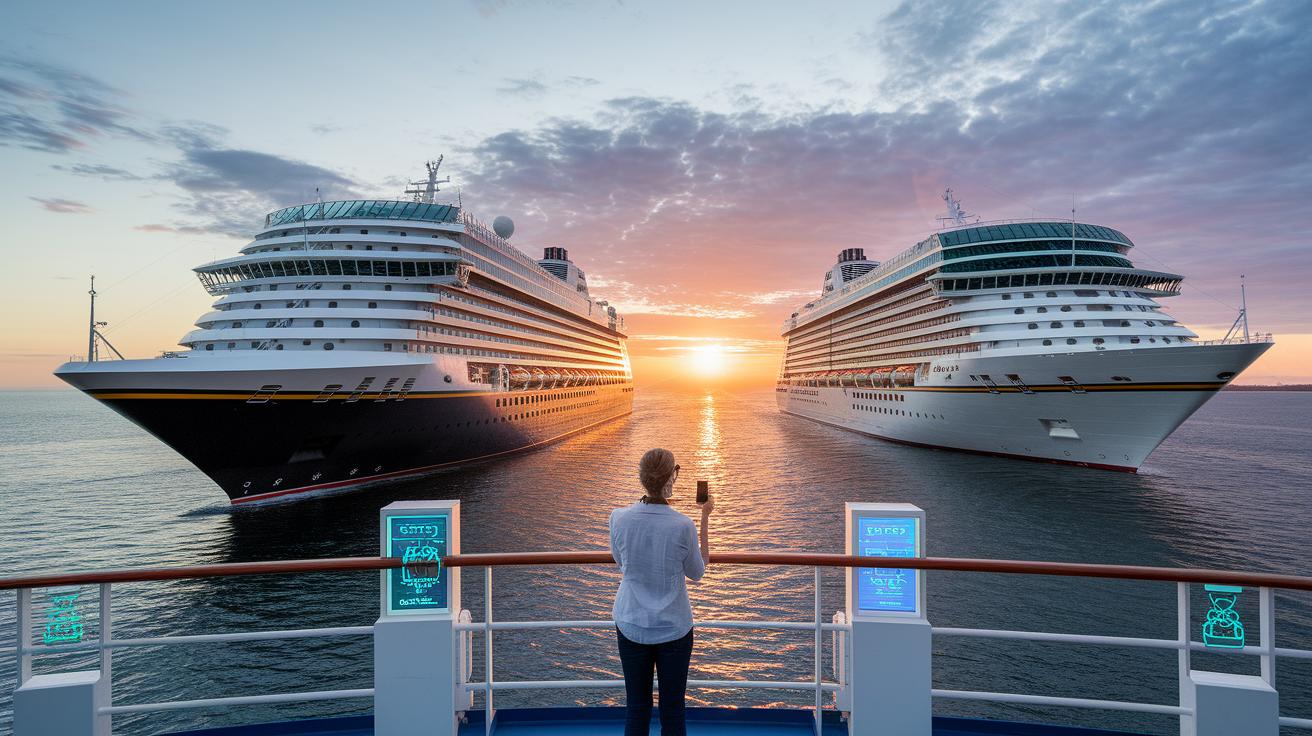
Imagine stepping onto two ships where technology meets adventure in the most amazing way. The Icon of the Seas, for example, rolls out 14 smart upgrades that help you spend less time waiting and more time truly enjoying the cruise. The new elevators cut wait times by 35%, so every ride feels quick and thrilling. Plus, you can stay connected around the clock with flat-rate in-cabin Wi-Fi, even when you're off the grid. And if you're lounging by the pool, ordering a refreshing drink through an app makes everything feel effortless.
Quantum Class ships add their own touch of modern magic. With the Two70 robotic show, you get a mix of live entertainment and cool robotic displays that put a smile on your face. Self-ordering kiosks make grabbing a meal or asking for help as simple as a few taps, and an advanced system smooths out booking onboard activities. There's even an easy QR wayfinding tool designed for clear, simple navigation. Travelers love how these features blend practical benefits with a fun, modern twist, and cruise executives say they make the journey even more enjoyable.
Here are some standout features of these vessels:
- Elevator throughput optimization
- Secure cabin Wi-Fi at flat rates
- Robotic entertainment venue
- Self-service ordering kiosks
- Poolside digital concierge
- Advanced booking/reservation engine
- QR-based accessibility wayfinding
Future-Proof Engineering in the Cruise Technology Guide
The cruise world is changing fast, and new tech trends are reshaping how ships work. Smart navigation tools powered by AI help plan the best route, while new systems like advanced telematics make the journey smoother. Cruise makers are turning to blockchain to keep your sensitive data safe. Plus, handy dashboards gather info from every part of the ship, so everything runs like clockwork.
Onboard, robots are getting in on the action too. They help with cargo, cutting down on tiring manual tasks and boosting overall efficiency. With layers of strong encryption protecting the ship's networks, you can count on your data being secure. And using cloud tools that mix different systems is a real game changer for future vessels. This blend of full digital workflows with tough cybersecurity means the ship stays safe and sound, even when conditions get tricky.
These cool new technologies are the heart of our guide and offer a sneak peek into the future of maritime travel. With all these upgrades, AI-powered operations are already making cruises safer and more efficient. Just imagine all the exciting improvements ahead, it's like a bright, welcoming horizon on the open sea.
Final Words
In the action, this cruise technology guide shows how modern vessel systems, smart navigation, and onboard connectivity work in unison to deliver smooth operations and memorable travel moments. The guide also touches on automated safety, predictive maintenance, interactive passenger interfaces, sustainable propulsion, and future-proof engineering. Every element brings a seamless blend of tech and comfort, ensuring that planning your cruise feels effortless. With these insights, get ready to embark on a voyage filled with excitement and innovation.
FAQ
What does the Royal Caribbean cruise technology guide cover?
The Royal Caribbean cruise technology guide covers onboard digital navigation, smart connectivity, automated safety, and energy management systems that boost operational efficiency and guest enjoyment.
What does the Carnival cruise technology guide detail?
The Carnival cruise technology guide details onboard communication systems, advanced navigation tools, and passenger interfaces designed to offer smooth connectivity and enhanced onboard experiences.
What are the engine specifications and fuel details for Icon of the Seas?
The Icon of the Seas engine details include a dedicated engine room with high horsepower, precise specs, and fuel consumption rates that optimize power and efficiency during operations.
How do MSC Cruises and Celebrity Cruises use technology onboard?
MSC Cruises and Celebrity Cruises use smart systems such as integrated sensor networks, digital control panels, and interactive interfaces that enhance guest services and streamline ship operations.
What does the 3:1:1 rule on cruises refer to?
The 3:1:1 rule on cruises refers to the balanced ratio for health measures onboard, ensuring cleanliness, social interaction, and enough personal space for every guest.
What is the secret code on a cruise ship?
The secret code on a cruise ship is a fun, often unofficial communication tool used by crew or passengers to discreetly signal messages or access special services during the voyage.
What new technology is being introduced on cruise ships?
New cruise ship technology includes cloud-based management, smart digital interfaces, and enhanced real-time monitoring systems that improve navigation, onboard safety, and guest engagement.
How much should you tip your cabin steward on a cruise?
Tipping your cabin steward usually follows a set guideline, often recommended at a few dollars per day, but it can vary by cruise line and service quality, so check the cruise policy for details.
What distinguishes Icon of the Seas, Star of the Seas, Utopia of the Seas, Legend of the Seas, Wonder of the Seas, and Oasis of the Seas?
Each ship stands out with unique design elements and high-tech features; they offer different onboard experiences, digital innovations, and leisure activities to suit a range of traveler preferences.

