
Ever considered that a cruise could actually help you feel healthier? Every year, millions of travelers set sail while cruise lines work hard to improve safety for everyone. But sometimes, even a small risk, like a slippery deck, can spoil a fun day at sea. In this guide, you'll find easy tips to care for your health, from simple pre-trip checkups to smart habits while onboard. Get ready to learn how to stay safe and feel great, so that every moment on the water brings comfort and good cheer.
Cruise Health and Safety Essentials for Every Voyage

In 2023, almost 32 million people hopped on board, and cruise lines stepped up their safety game. They followed strict international rules for fire safety, navigation, and protection at sea. Modern ships now mix the latest technology with these global rules to create a safe space for every traveler.
Even with these improvements, onboard hazards can still pop up. Wet decks mean a slip could happen, and if food isn’t handled right, there might be a risk of stomach bugs or other food-related issues. Picture a slippery deck after a rainy day, one small misstep can cause a fall. To help, ships use non-slip floors, tighter food-safety checks, and air filtering systems that keep fresh air flowing. Regular cleaning and well-placed hand sanitizer stations make spots like dining areas and play zones much safer.
Every traveler also plays a big part in keeping the ship safe. It’s smart to read the safety signs, hold onto handrails on stairs and wet floors, and wear shoes that grip well. Listening to safety talks and reporting things like broken steps or wet pools can help too. A little extra care from everyone means every cruise stays safe and fun for all.
Pre-Departure Health Preparations and Screening Protocols

Book a visit with your doctor about 4 to 6 weeks before you set sail. This is the perfect time to update your flu shot and tetanus and chat about risks from bugs like Zika or dengue. It's also a good moment to discuss motion-sickness remedies and any personal health worries. Keep in mind that U.S. health plans, like Medicare and Medicaid, won’t cover care overseas, so it’s wise to choose travel insurance that includes medical evacuation.
- Talk with your doctor and update your vaccines.
- Review health tips specific to your destination.
- Make a list of your medications and pack them in your carry-on (check out our cruise packing guide for ideas).
- Secure travel insurance that covers medical evacuation.
- Get a personalized health risk check.
For extra help, take a look at our cruise checklist after you’ve gone through these steps.
Before you sail, double-check the entry rules and stay updated on any health alerts for your ports of call. This careful planning helps you avoid surprises later and lets you relax and enjoy your cruise with peace of mind.
Shipboard Sanitation Protocols and Hygiene Inspection Routines

Onboard cruise ships, keeping things sparkling clean is a top priority. Every day, dedicated crews wipe down the surfaces you touch the most – like handrails, elevator buttons, and door handles – using EPA-approved cleaners that battle germs like norovirus and Legionnaires'. This regular cleaning helps prevent the spread of germs and keeps the ship safe for everyone. Cabins get a thorough check at embarkation too, with air filters and sanitizer dispensers carefully inspected. Dining areas are set up with sneeze guards and handy sanitizer stations right at the buffet lines so guests can dine with ease.
| Area | Frequency | Disinfectant |
|---|---|---|
| Public Venues | Every 2 hours | Quaternary ammonium |
| Cabins | On embarkation/day 1 | Chlorine-based |
| Buffets | Continuous | Alcohol-based |
As a traveler, you play an important role in keeping the ship clean too. Using hand sanitizer and checking the areas you visit helps maintain the ship's safety. And if you notice any spot that needs a little extra attention, letting a crew member know means it gets fixed quickly. These everyday efforts, combined with the crew's hard work, create a healthy and relaxed environment where you can truly enjoy your voyage.
Onboard Medical Facilities and Afloat Medical Readiness
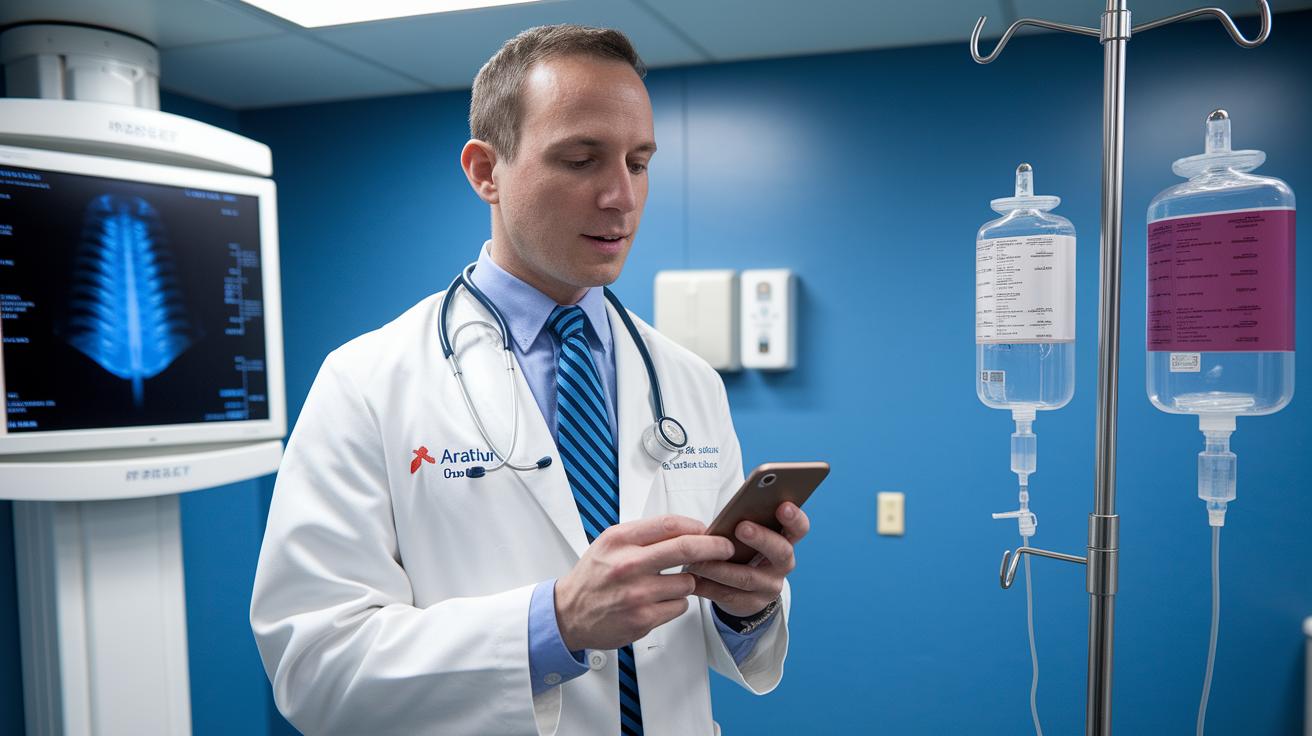
Every cruise ship today comes with its very own medical center that’s open 24/7. You’ll find friendly doctors, nurses, and other health professionals always ready to help, whether it’s a small scrape or something that needs a bit more care.
The onboard clinic is stocked with important tools like X-ray machines, IV therapy equipment, and simple lab devices. Plus, first-aid kits are placed on almost every two decks, so you can feel secure knowing help is always nearby.
They offer a range of services including:
- Emergency trauma care
- Routine consultations and vaccinations
- Dental first aid
- Mental-health support
If a serious issue arises, the crew quickly arranges for emergencies, sometimes using a helicopter or a tender boat to get you to a hospital on land. Every treatment is carefully recorded so that once you reach shore, there’s a clear plan for follow-up care. The medical team even works closely with local hospitals to make sure your transition from ship to land medical care is smooth and reassuring.
Emergency Preparedness and Evacuation Strategies at Sea

Right after you step on board, everyone takes part in a safety drill. During the drill, you'll hear a special horn signal: seven quick blasts and one long blast. It's a simple way to let you know to get ready fast if something unexpected happens.
Muster Drill Procedures
In these drills, you'll learn the escape signals, how to wear your lifejacket properly, and where to gather during an emergency. For instance, a crew member might say, "Listen for the special horn pattern and follow the bright exit signs to your meeting spot." This clear guidance helps you feel confident and ready for any situation.
Digital Evacuation Routes
Modern screens in your cabin and common areas display detailed safety maps with step-by-step directions. These digital guides, along with clear signs in the hallways, show you exactly where to go. This smart use of technology makes finding your way to safety easy and straightforward.
Crew Roles in Lifeboat Launch
The crew plays a big part in making sure lifeboat launches go smoothly. They handle lowering the boats, check that everyone is accounted for, and give a helping hand during the evacuation. Each lifeboat is designed to carry at least 125% of the passengers, ensuring there's extra room for everyone. Plus, with marked fire zones, reliable flood sensors, and regular safety briefings shared on cabin TVs and PA systems, you'll always feel secure throughout your voyage.
Infectious Disease Control and Passenger Wellness Measures

On board, every effort is made to keep the air fresh and the passengers healthy. Advanced HVAC systems pump in 100% fresh air every three minutes, which helps lower the chance of airborne germs. Simple steps like frequent handwashing and regular use of hand sanitizer can reduce the spread of norovirus by almost half. It’s a team approach, cleaning protocols and these health tips work together to make the ship a safer place for everyone.
Here are some friendly reminders to stay healthy during your journey:
- Wash your hands before and after dining.
- Use the sanitizer stations available on board.
- Wear masks if there is an outbreak.
- Report any symptoms as soon as you notice them.
- Keep yourself hydrated with bottled water.
- Avoid raw or undercooked foods.
The crew also looks out for your overall wellness. Medical staff conduct daily check-ins and quickly move anyone showing signs of illness into designated cabins. Buffet areas feature single-use utensils and portion-control trays to keep germs at bay. Health monitoring systems are in place to spot any issues early, and rapid-response isolation procedures help prevent any spread of infection. With these combined efforts, you can relax and enjoy your adventure, knowing that your well-being is in trusted hands.
Crew Health Monitoring and Safety Compliance Regulations
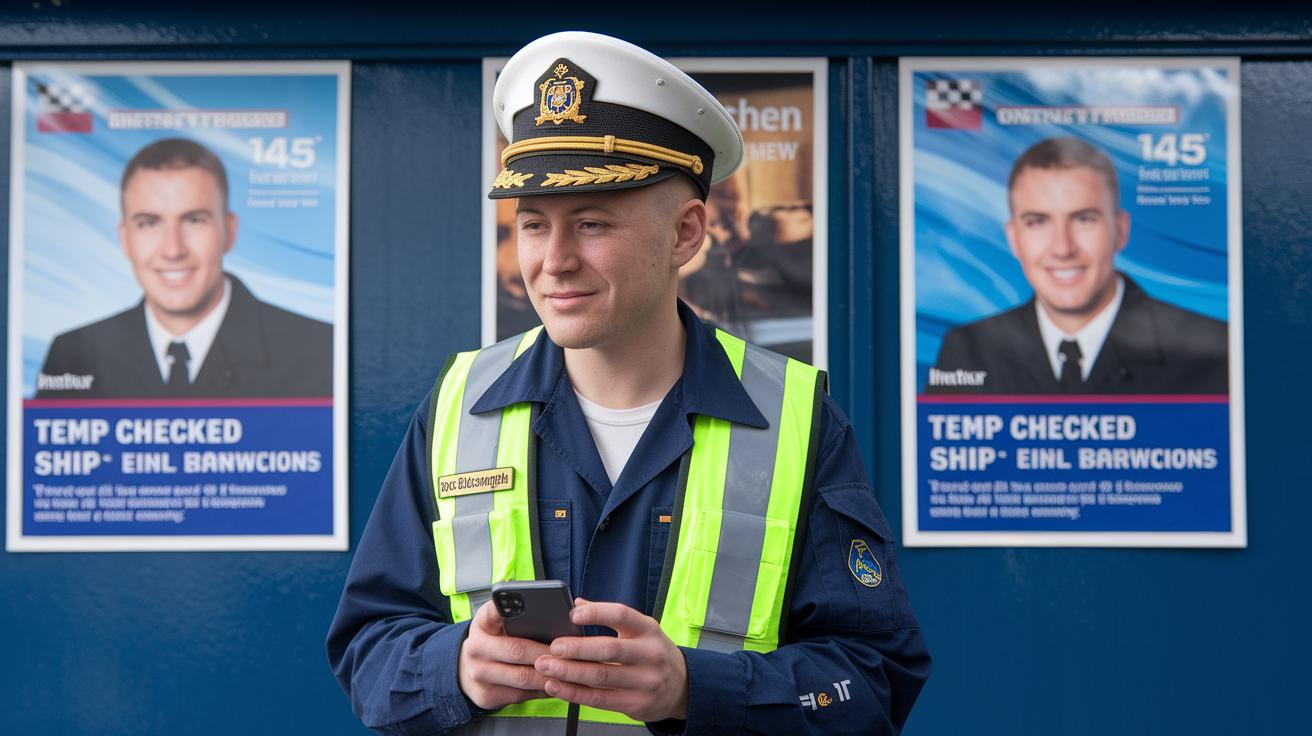
Every crew member is encouraged to look after their health by taking part in regular check-ups. They get a quick temperature check each day and a full medical exam once a month. These simple steps help catch any signs of illness early, ensuring that everyone is healthy and ready for the day ahead.
All crew members also join safety training sessions from the start and throughout their time on board. This includes learning the Vessel Sanitation Program, which is just a friendly way of saying training on how to clean properly and use disinfectants safely. By keeping up with these sessions, everyone knows how to maintain a clean work space and stop germs from spreading, making the ship a more pleasant place to be.
Every few months, detailed checks are carried out to make sure that all health and safety rules match the SOLAS and WHO maritime guidelines. There is also a confidential hotline where crew members can report any issues they see without worry. These regular audits and open ways to report problems help fix things quickly, keeping both crew and passengers safe while enjoying the journey.
Cruise Health and Safety FAQs
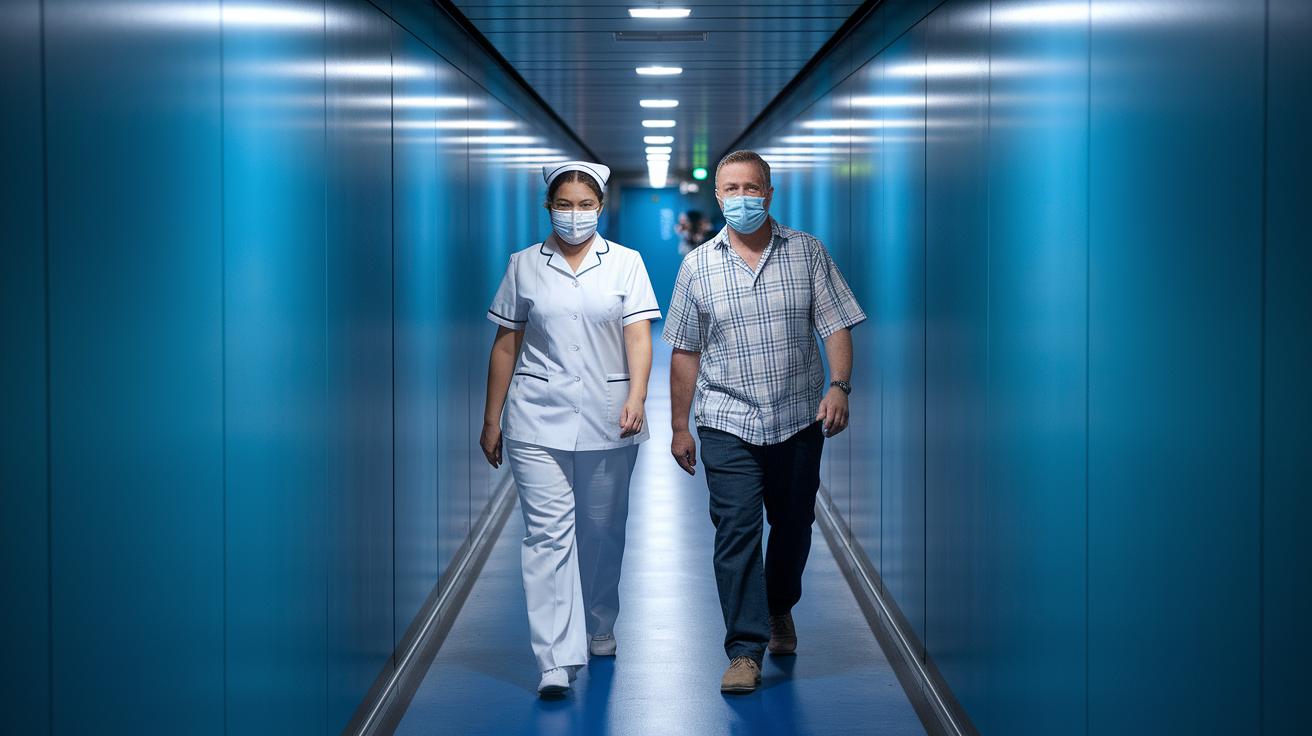
Each answer below quickly points you to a fuller explanation later in the article.
- "What if I fall ill at sea?" If you start feeling unwell, call for help right away. The ship's medical team has got your back. See the onboard medical care section for more details.
- "How do I report a safety hazard?" Just use your cabin phone or the cruise app to let someone know. Check the incident reporting section to follow each step.
- "Are masks required onboard?" Simply follow the current cruise line rules. Visit the infection control measures section for the latest updates.
- "How often are cabins sanitized?" Cabins get a full deep clean every day along with regular spot checks. More on cleaning schedules can be found in the sanitation protocols section.
- "What meds should I pack?" Take a look at the pre-departure checklist to know what to bring along. The medical services section has clear pointers for personal health preparation.
- "Can I bring my own first-aid kit?" Yes, you can if your kit is clearly labeled and fits in your carry-on bag. See the onboard medical care guidelines for extra advice.
- "When is the muster drill?" The muster drill happens within 24 hours of your departure. Check out the muster drill guidelines for all the emergency details.
- "How is a medevac handled?" Medevac is managed with air and sea transfers based on the medical team's call. Find more insights in the emergency procedures section.
Final Words
In the action, this article gave you a clear look at how cruise ships keep your experience safe and enjoyable. We broke down global safety standards, pre-departure health tips, onboard sanitation, and emergency plans. Each section showed how a strong cruise health and safety guide makes a real difference in protecting every traveler.
Every tip is meant to help you relax and enjoy the sea. Here’s to safe, smooth sailing and plenty of unforgettable moments at sea.
FAQ
Q: What details are included in cruise health and safety guides from major lines like Royal Caribbean and Carnival?
A: The cruise health and safety guides cover clear protocols, sanitation practices, medical procedures, and emergency plans designed to help passengers have a secure and relaxed sailing experience.
Q: What do cruise ship CDC inspection scores indicate?
A: The cruise ship CDC inspection scores indicate how well a vessel complies with federal health and safety standards, reflecting effective cleaning procedures and operational practices onboard.
Q: Is it safe to go on a cruise right now with the war?
A: The safety of cruising during regional conflicts depends on updated travel advisories. Travelers are encouraged to review current government guidelines and cruise line recommendations before planning their sail.
Q: What are the most common illnesses and health risks on cruise ships?
A: The most common illnesses include norovirus and respiratory infections, with risks mainly stemming from crowded areas and food-handling lapses, which are mitigated by regular disinfection routines.
Q: What is the one word you can’t say on a cruise ship?
A: The one word you can’t say on a cruise ship refers to language considered offensive, as cruise lines enforce rules that maintain respect and a pleasant environment for everyone onboard.
Q: What is the secret code on a cruise ship?
A: The secret code on a cruise ship typically relates to internal crew communications and safety protocols, ensuring swift and discreet handling of emergency procedures when required.
Q: What safety precautions are commonly practiced on cruise ships?
A: The safety precautions on cruise ships include daily disinfection, routine health checks, emergency briefings, muster drills, and strict adherence to sanitation standards to protect both passengers and crew.
Q: How can I access a cruise health and safety guide PDF?
A: The cruise health and safety guide PDF is usually available on the cruise line’s official website. Passengers can download it in advance to review protocols and prepare for a secure voyage.

