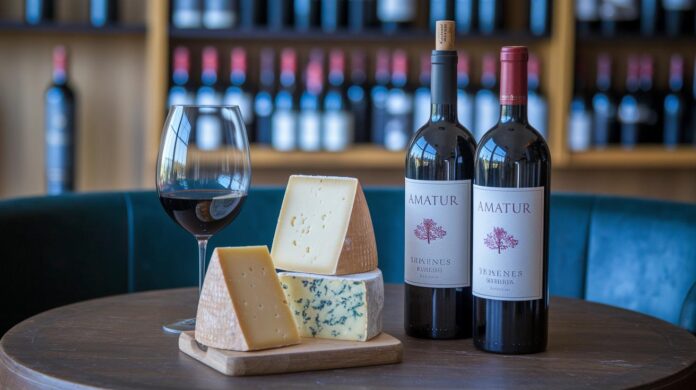
Ever wonder if one glass of wine can really lift your whole meal? Picture this: seafood, veggies, cheese, and cured meats all paired with the perfect wine. In our guide to gourmet wine pairings, we share three wine picks bursting with flavor that bring out the best in every bite. An expert in fine pairings explains how the right wine can turn your dinner table into a joyful celebration of taste, making every meal feel truly special.
Expert-Curated Wine Pairings for Seafood, Vegetables, Cheese, and Charcuterie
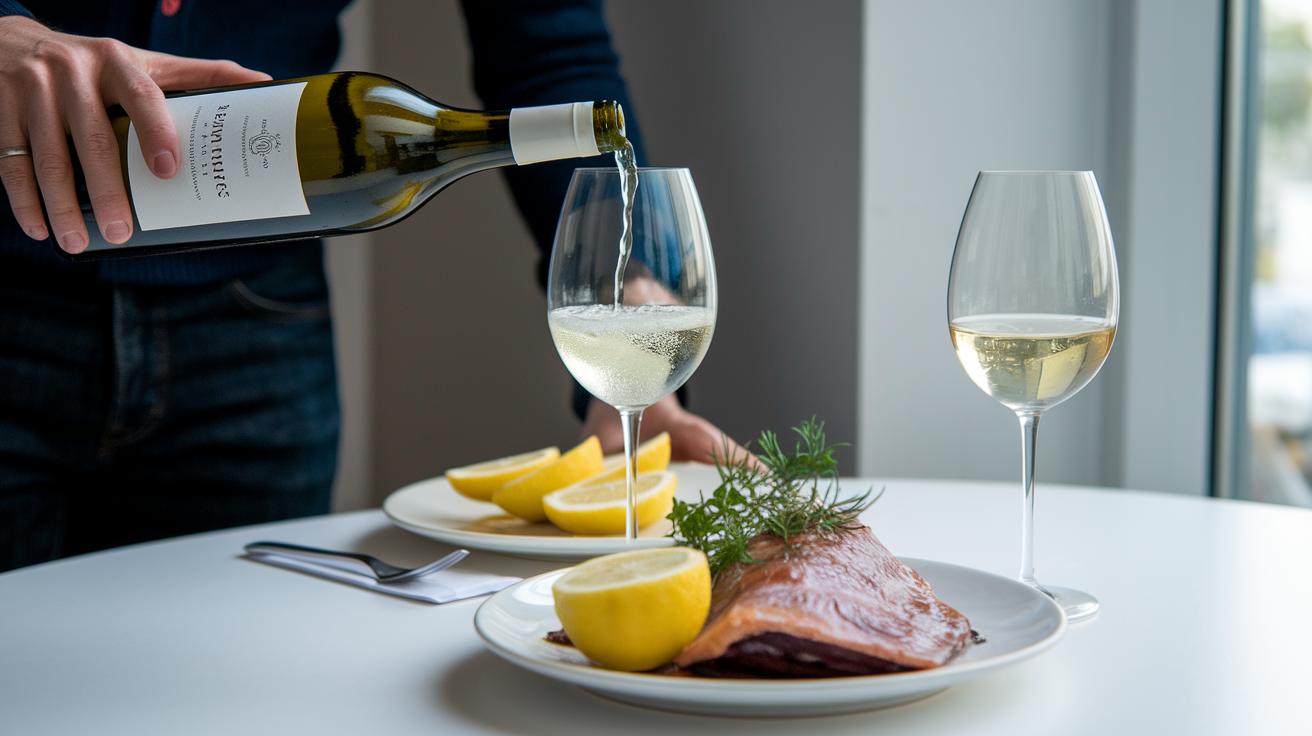
White wines with natural acidity wake up fish dishes with a zesty kick, almost like adding a squeeze of fresh lemon. Aromatic whites like Sauvignon Blanc, with hints of fresh grass and a touch of bell pepper, make veggie plates (think crisp peas) even more inviting.
An experienced wine pro with more than 15 years in the field once said that a well-chosen wine can change the whole dining experience. For example, a 2019 Les Alliés Pinot Noir from France pairs beautifully with grilled Halloumi cheese. It balances earthy flavors with a smoky twist, making each bite feel just right.
Here are some pairing ideas:
- Sparkling wines with soft, creamy cheeses offer a fun and fresh start.
- Crisp white wines bring out the natural flavors in fish dishes.
- Aromatic Sauvignon Blanc works well with green vegetables for a balanced taste.
- Light-bodied reds match salty, nutty cheeses to lift savory flavors.
- Medium to full-bodied reds balance aged cheeses and bold charcuterie.
Mixing these pairing tips creates a dining adventure where one flavor supports the next. Expert advice shows how acidity, structure, and texture can blend to create a meal that feels both simple and gourmet. When you pick wines that match the unique qualities of seafood, vegetables, and cheese boards, every sip and bite feels perfectly paired and delicious.
Gourmet Wine Selections: Understanding Wine Styles
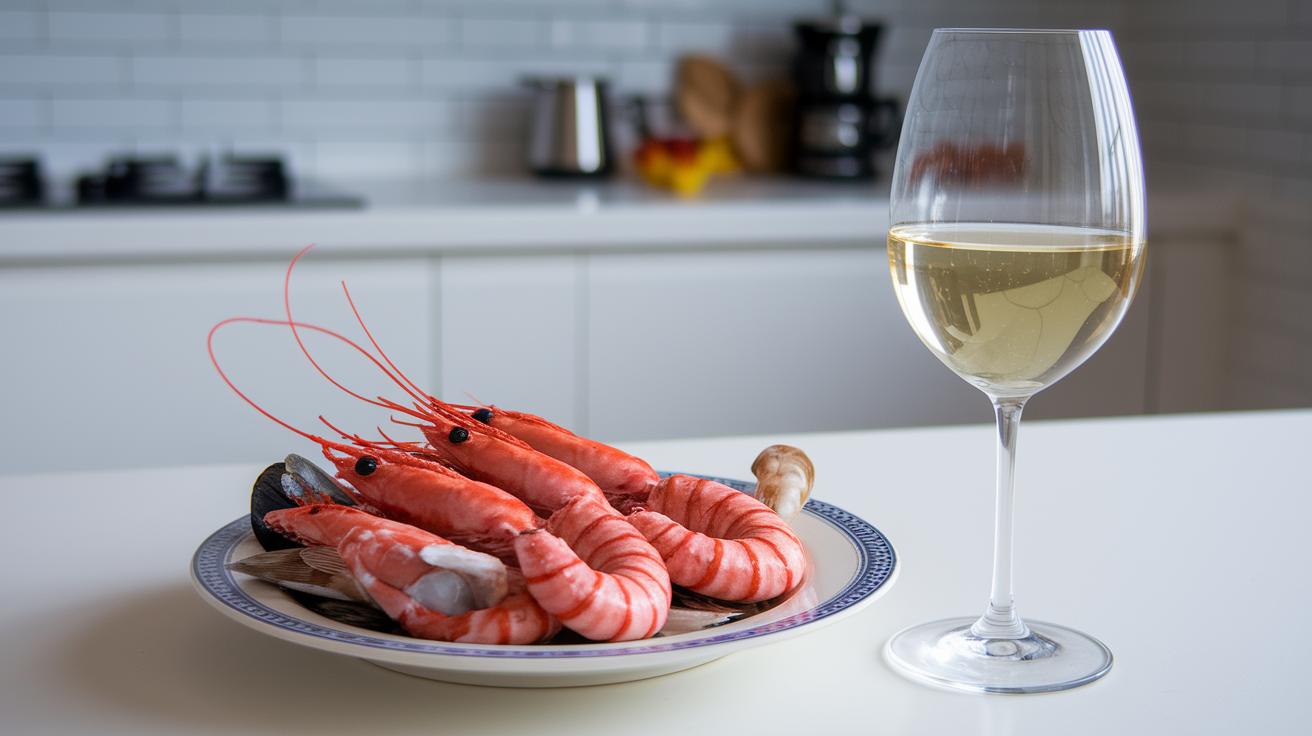
When planning your meal, matching wine with food can truly enhance the experience, much like finding the perfect map for a fun adventure. The idea is simple: choose a wine that complements the dish and brings out the best flavors. The table below acts as your handy guide for this tasty journey.
| Wine Style | Flavor Profile | Ideal Gourmet Pairing |
|---|---|---|
| White Wine | Crisp citrus notes, zesty acidity | Fish and light seafood |
| Sauvignon Blanc | Herbal, green pepper nuances | Fresh vegetables |
| Pinot Noir | Medium body with subtle tannins | Cheeses and lighter meats |
| Riesling | Slight sweetness with floral touches | Spicy or fruity flavored dishes |
Imagine a plate where a crisp white wine gives a bright, citrusy lift to your seafood. Then, consider a glass of Sauvignon Blanc with its herbal hints that perfectly match a fresh vegetable salad. A smooth Pinot Noir can add a gentle balance when paired with soft cheeses or light meats. And if you're in the mood for something unique, Riesling’s soft sweetness can make spicy or fruity dishes sing.
Choosing the right wine is like picking the perfect travel buddy, it enhances every bite and turns your meal into a delightful adventure.
Cheese & Charcuterie Pairing Principles
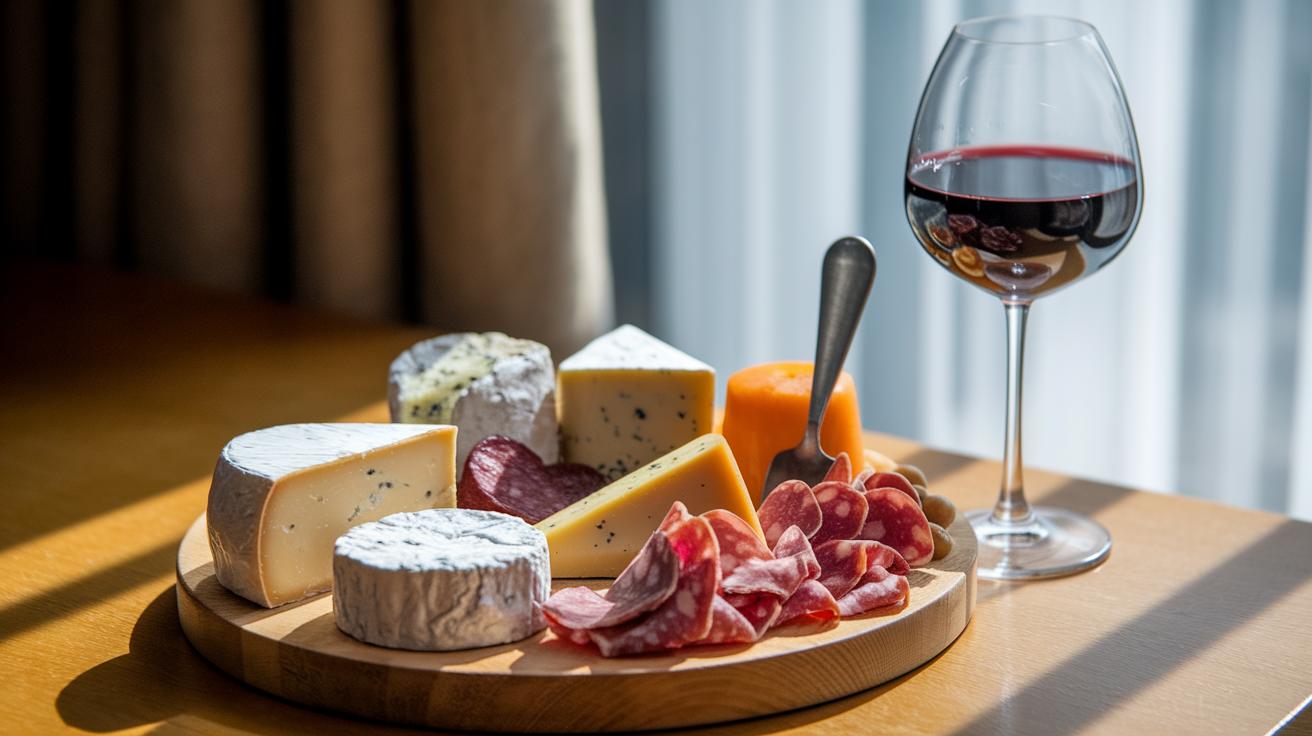
Imagine sitting down with a spread of cheeses, meats, and a glass of wine. It’s all about mixing and matching flavors and textures to bring out the best in each bite. Think of it like a fun dance between creamy cheeses and wines with a natural zing.
Creamy cheeses, for instance, match perfectly with wines that are a bit more acidic. The bright, tangy notes of the wine clean your palate after a rich, buttery bite. Next, salty and nutty meats blend well with fruit-forward wines that also carry a touch of earthy minerality. It's a smooth contrast where the natural proteins in the meats meet the vibrant structure of the wine.
Then there are tannic red wines. Their firm feel helps to soften the richness of fatty charcuterie, making every mouthful feel just right. And when you have off-dry wines with a hint of sweetness, they blend beautifully with spiced cured meats. That gentle sweetness enhances the spices without stealing their thunder.
So, when you combine these elements, fats and proteins mix with the acidity and tannins of the wine, creating a balance that makes each pairing delightful. It’s like crafting a mini adventure right on your plate, where every bite invites another sip of exquisite flavor.
Technical Insights on White Wine Profiles for Seafood & Vegetable Dishes
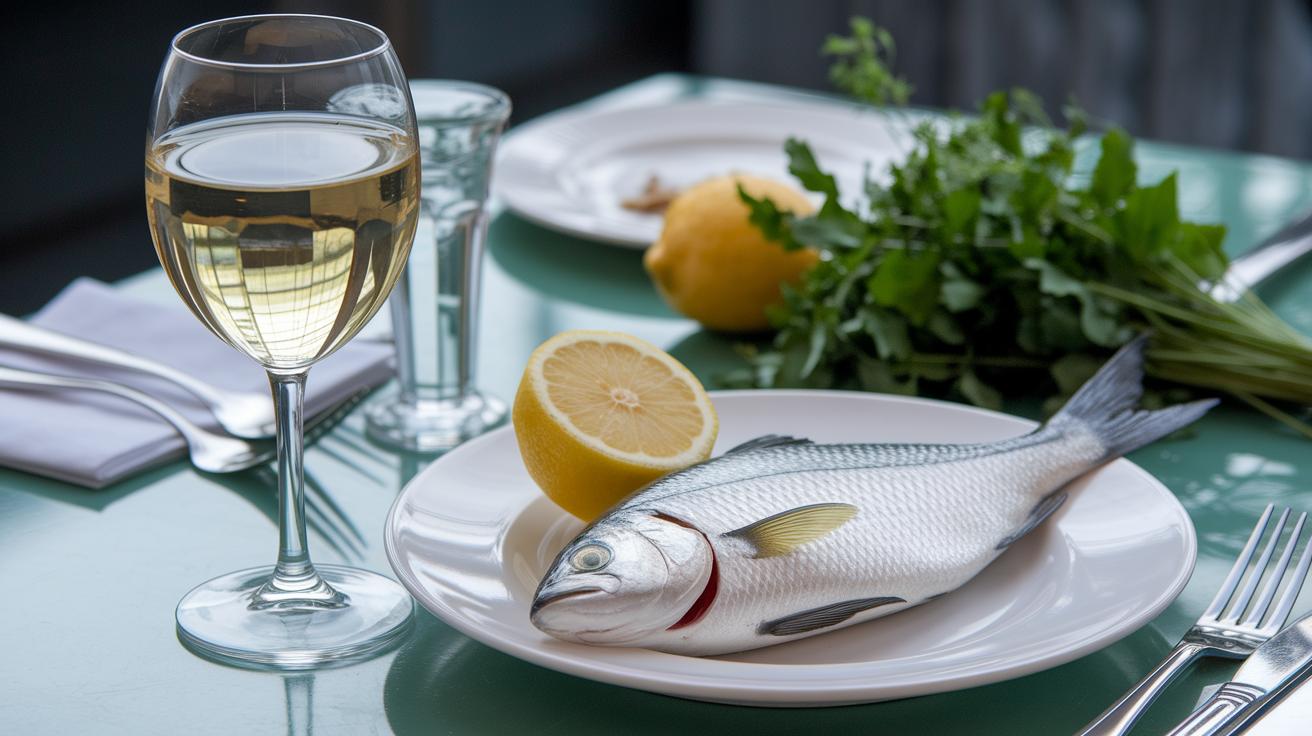
White wines can brighten up your seafood and vegetable plates like a burst of sunshine on a warm day. They bring a lively, zesty touch, imagine a splash of lemon over fresh fish, that clears your palate and lets every bite shine. A little sip might reveal crisp hints of green apple or a gentle touch of mineral tones that make delicate flavors pop.
Aromatic whites feel like stepping into a fragrant garden. Wines like Gewürztraminer and Riesling offer soft notes of lychee and blossoms, which pair wonderfully with light vegetable dishes. And then there’s the herb-filled Sauvignon Blanc, with its gentle bell-pepper scent that brings a fresh, garden feel to your meal. Imagine enjoying a glass where these bright, floral aromas dance around every bite of your colorful salad.
Oak-aged Chardonnay adds a cozy, richer vibe with whispers of vanilla and toasted bread that complement buttery sauces perfectly. Its smooth, rounded flavor balances well with a vibrant citrus finish, making each sip an experience. Picture the gentle warmth of oak blending with a lively citrus zing as you savor grilled shrimp or steamed asparagus, an inviting combo that brings comfort and refreshment together seamlessly.
3 best paired gourmet wine selections dazzle
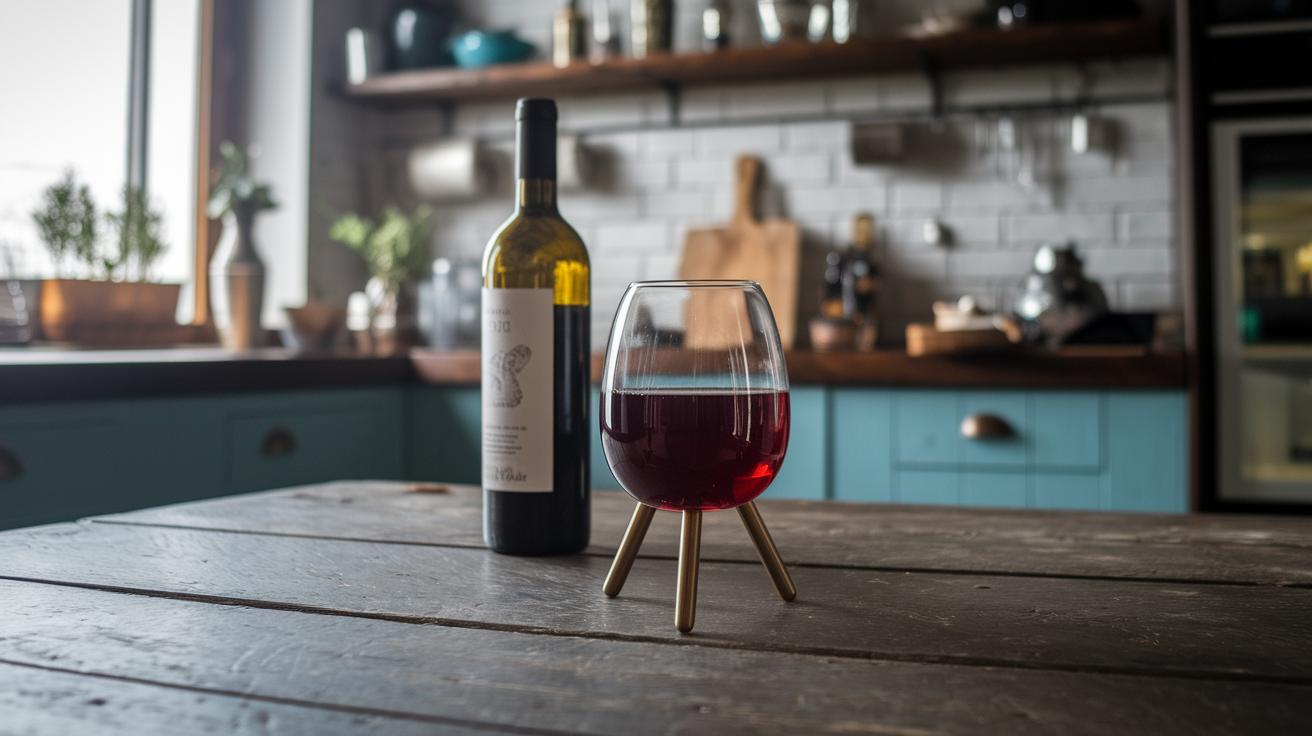
When you pour a rich red wine, its firm structure makes bold dishes come alive. The wine shows hints of blackberry and cassis, and its natural dryness helps cut through fatty foods. Full-bodied reds burst with dark fruit flavors like plum and cherry. A little time in oak adds spice, vanilla, and toasted notes, giving the wine a warm, inviting feel. Even just a short decant and the right serving temperature can let the aromas shine and smooth out the tannins, making each sip a pleasure.
Impact of Tannin on Pairing Hearty Foods
Tannins are great at joining up with proteins and fats. They work like a secret ingredient that balances heavy dishes like steak or game. Imagine savoring a perfectly grilled steak with a structured red wine, the wine’s tannins refresh your palate after every bite, letting the flavors of both the food and drink work together in harmony.
Role of Oak and Aging in Flavor Complexity
Oak aging adds a special depth to red wines by infusing them with notes of spice, vanilla, and toast. This process enriches the wine, making its texture smoother and its flavor more layered. Picture a slow-cooked sauce that comes alive with these gentle oak notes, each sip deepening the bond between the rich flavors of your meal and the wine’s refined finish.
Master Sommelier Advice on Crafting Gourmet Wine Pairing Plans
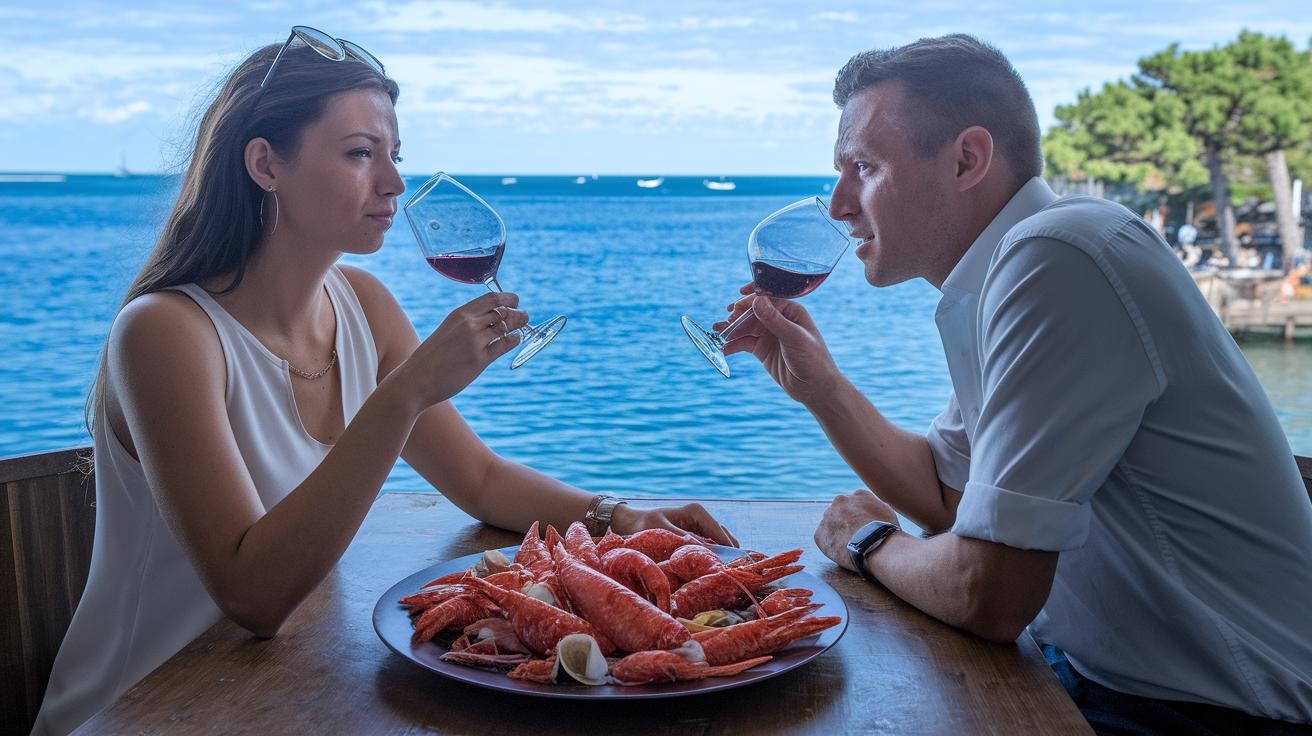
When you set out to create the perfect pairing of food and wine, think about balancing natural flavors. The right mix of acidity, tannins, sweetness, and body can turn any meal into a true celebration of flavor.
- Aim to balance each sip by matching the wine's natural touch of acidity, tannins, sweetness, and body with the flavors in your dish.
- Pair lighter dishes with light wines and choose a fuller-bodied red for richer meals.
- Keep white wines cool at about 45 to 55 degrees and red wines around 60 to 65 degrees so you get their best aroma and taste.
- Try a bite-and-sip test: take a sip before and after a bite to see how well they go together.
- Consider the weight of your entire dish and pick your wine accordingly to keep everything in harmony.
Let these tips from a master sommelier guide you to a delightful dining experience.
Final Words
In the action, the post showed how pairing wines with seafood, vegetables, cheese, and charcuterie can elevate every bite. It breaks down wine styles, from crisp whites to full-bodied reds, and offers hands-on tips along with master sommelier advice. The insights give you practical ideas to mix technical know-how with everyday enjoyment. This blend of vivid pairing tips and real-world advice brings you one step closer to finding the best paired gourmet wine selections. Enjoy every sip and let the flavors light up your table.
FAQ
What is a wine and cheese pairings chart?
The wine and cheese pairing chart provides clear suggestions to match various cheeses with wines, considering flavor balance and texture contrast. It helps you choose the right wine to enhance your cheese experience.
What are some examples of wine and food pairings?
The wine and food pairing examples show ideas like pairing crisp white wines with light salads or light reds with hearty dishes, creating a balanced mix of flavors and textures.
How can I generate wine pairing suggestions?
The wine pairing generator uses your taste preferences and food choices to suggest wines that match your meal, offering ready-to-use options for a balanced dining experience.
How do I pair wine and cheese at home?
Pairing wine and cheese at home means matching wines with the unique textures and flavors of cheeses. A light-bodied white works well with soft cheeses, while reds can complement richer varieties.
What goes well with wine as snacks?
Wine snacks like mixed nuts, olives, dried fruits, and various cheeses offer diverse textures and flavors that naturally complement a glass of wine and enhance your tasting experience.
What are the best wine pairings?
The best wine pairings balance the wine’s character with the dish’s flavors, such as matching crisp whites with fresh fare or robust reds with savory, hearty options to create an even mix.
What is the rule number one when matching food with wine?
The rule number one for food and wine matching is to balance the wine’s weight and intensity with the dish’s flavors, ensuring that the taste of neither overpowers the other.
What is the 20 20 rule for wine?
The 20 20 rule for wine suggests that each component in the pairing should contribute equally, creating a balanced ratio of flavors and textures between the dish and the wine.
What type of wine is best suited to pair with a rich, creamy dish?
A wine with bright acidity, such as a crisp Chardonnay, is best suited for rich, creamy dishes. Its refreshing qualities cut through the richness and create a harmonious blend of flavors.

