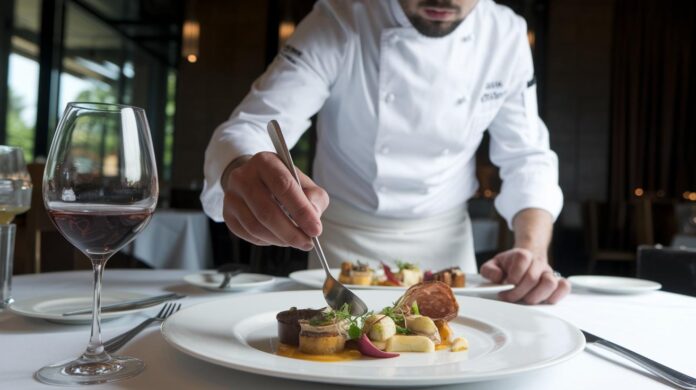
Ever thought of enjoying a meal like watching a show? Picture each dish as its own performance, from a warm starter to a sweet ending. This guide walks you through how every course brings its special taste and style. We cover it all, from simple three-course meals to more fancy feasts that dazzle in both flavor and look. Curious to discover delightful flavors? Read on and see how every bite can turn dinner into a memory you'll cherish.
What Defines Gourmet Dining Courses?
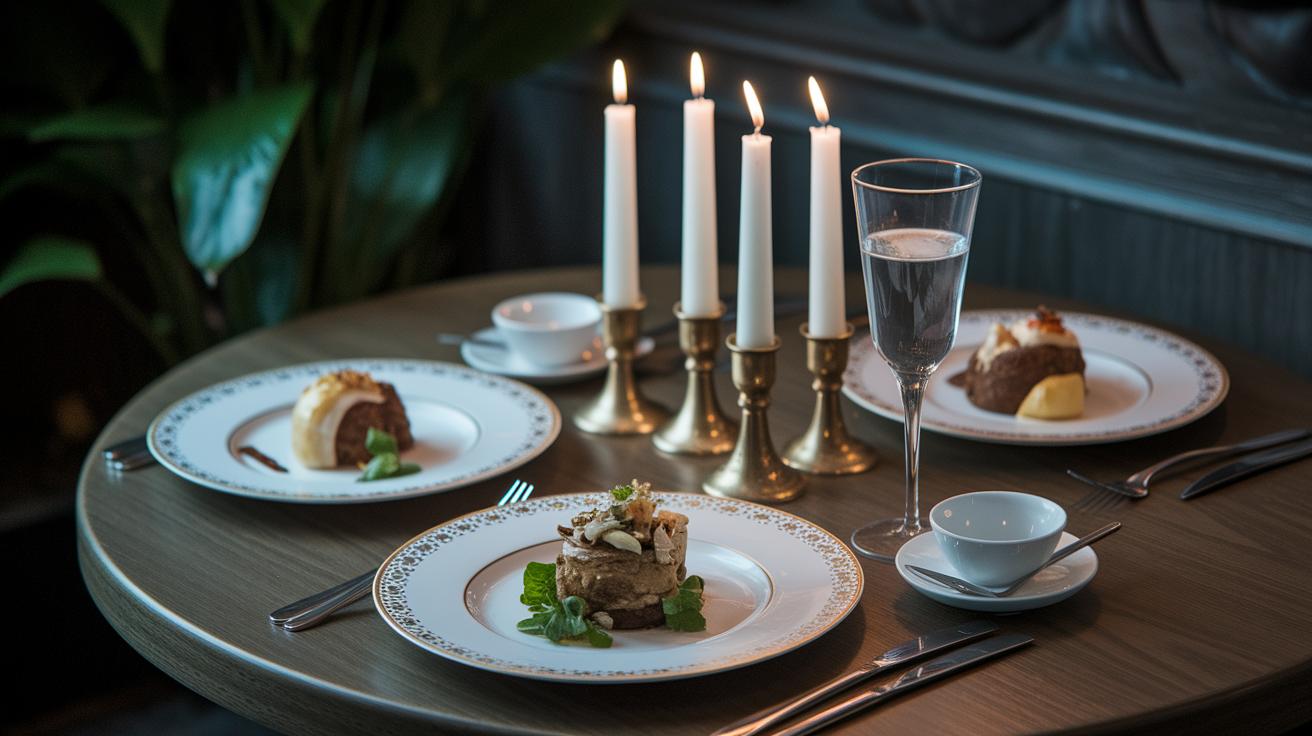
When you enter the world of gourmet dining, you step into a carefully planned adventure. You start with an inviting appetizer, move on to a comforting main course, and finish with a delightful dessert. Each dish builds on the last, guiding your taste buds through a journey of delicious flavors and textures. This classic meal style shows how every bite plays its part in telling a bigger story of taste and presentation.
Gourmet dining can be quite simple or wonderfully extravagant. Sometimes, a meal is made up of just three courses, where each plate gets its moment to shine. Other times, you might enjoy a twelve-course dinner that feels like a lively performance, with each course adding its own unique mix of ingredients and textures as the flavors grow deeper and richer.
The roots of this special dining experience go back to 9th-century Spain. Back then, a chef named Ziryab first split a meal into parts to make it more exciting. Later, the French added their own style with Haute Cuisine, turning a meal into a well-told story. Today, these traditions still shape modern cooking, making every course not just part of a meal, but a memorable chapter in a delightful culinary adventure.
Planning Sequence for Gourmet Dining Courses
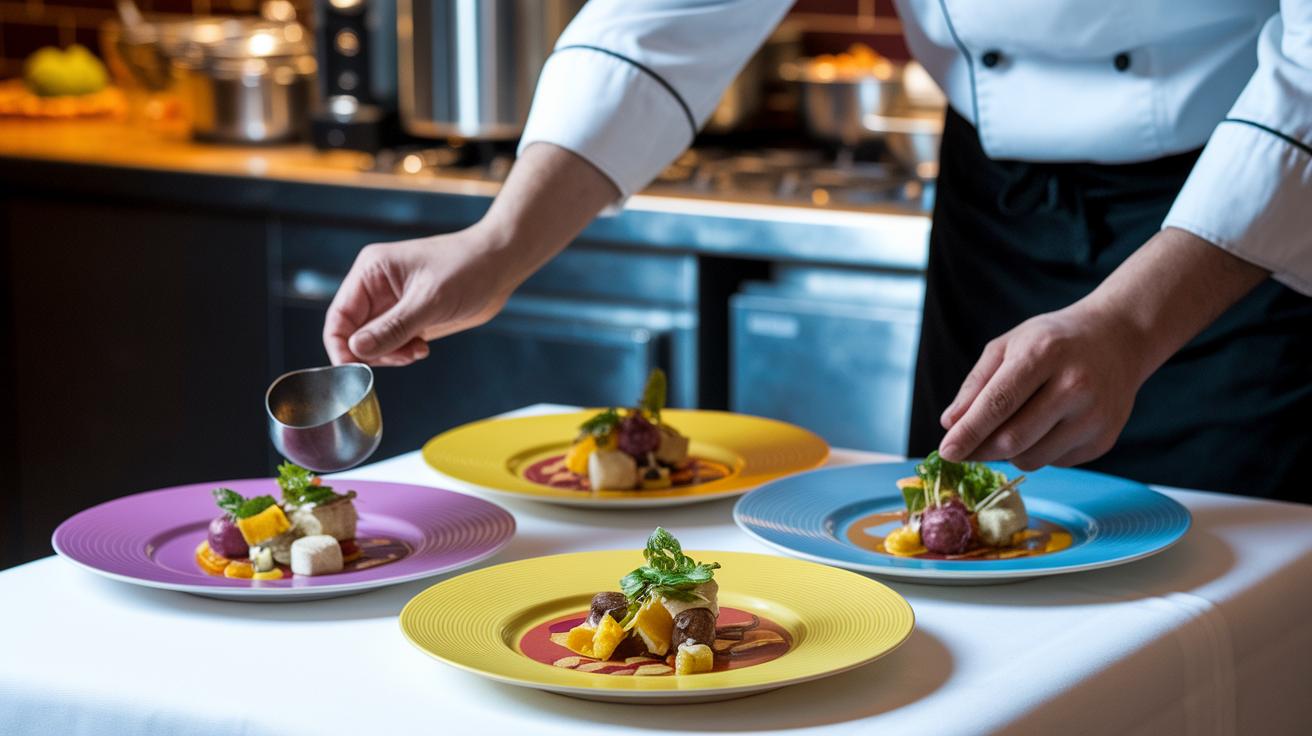
Creating a multi-course menu is like mixing art with a smart plan. You shape each meal as a tiny masterpiece while keeping the timing just right. Imagine your menu as a lively story where every course builds on the last, guiding your guests step by step through a delicious journey.
There are many ways to set up your menu. For example, a simple three-course meal with an appetizer, main dish, and dessert is perfect if you want to keep it straightforward. If you feel like adding an extra touch, a five-course meal, where you throw in a soup or salad, brings a bit more flair. For those who love a more in-depth dining adventure, a seven-course menu provides a little taste of everything from an amuse-bouche to a cheese course. And when you’re aiming for something really special, a twelve-course dinner with refreshing breaks and palate cleansers turns the meal into an epic tale of flavors.
| Number of Courses | Course Breakdown | Theme Example |
|---|---|---|
| 3 | Appetizer, Main Course, Dessert | Classic Simplicity |
| 5 | Starter, Soup/Salad, Main, Cheese, Dessert | Seasonal Harvest |
| 7 | Amuse-bouche, Starter, Appetizer, Main, Pre-Dessert, Cheese, Dessert | Modern European |
| 12 | Multiple Courses with intermezzo and palate cleansers | Extravagant Feast |
Keeping a common thread running through all the courses makes the dining experience feel seamless. Whether you use similar ingredients, play with a matching color scheme, or stick to a local style, a unified theme lets each dish shine as part of a single, unforgettable performance.
Starter Selections in Gourmet Dining Courses

When picking a light starter, you’re inviting your guests into the meal without filling them up too soon. Think of using fresh, local produce that brings out the natural taste of each ingredient. A simple dish like a crisp salad with seasonal greens and a splash of lemon vinaigrette can wake up your taste buds and set an inviting tone for what’s about to come.
Balancing different textures is important in a great first course. Picture a crunch from fresh vegetables paired with a smooth, creamy sauce or a tangy dressing. Each bite offers a fun play of textures, promising a delightful journey of flavors in the meal ahead.
Main Entrée Techniques in Gourmet Dining Courses
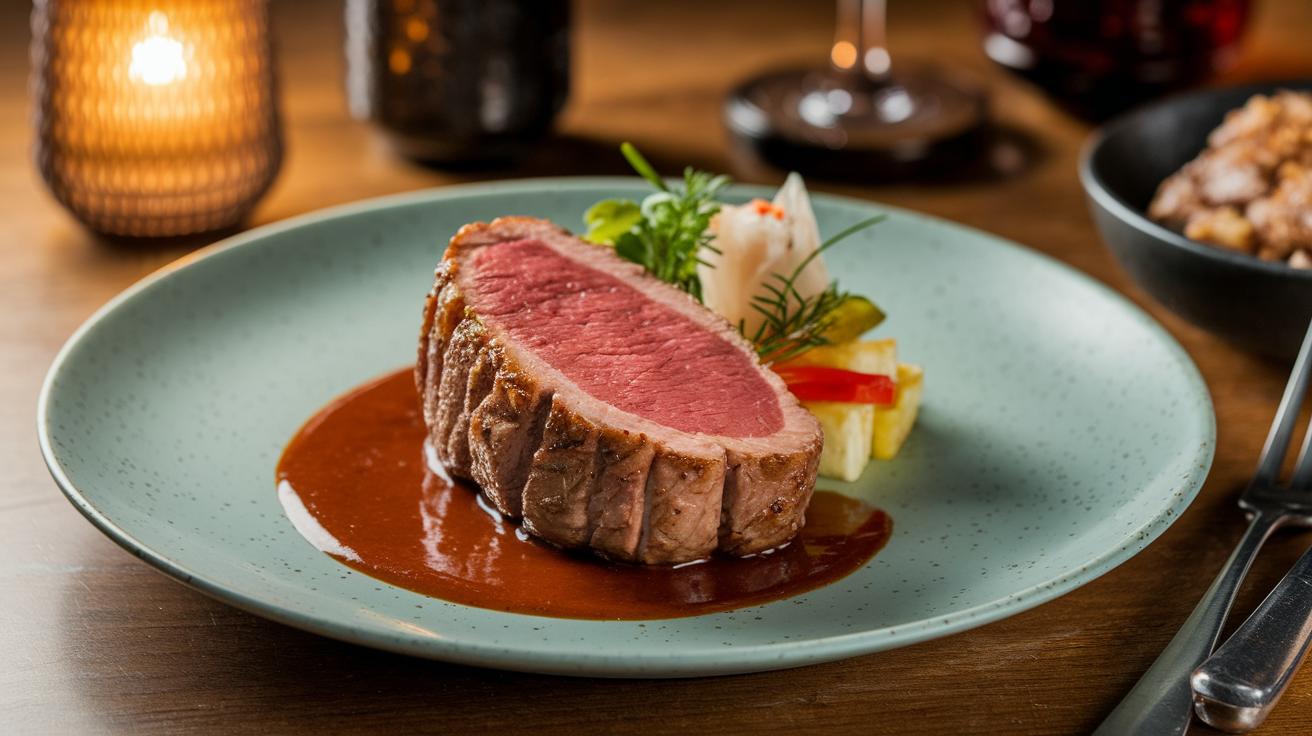
Choosing your main course is a lot like picking the star of a show. It should draw you in with its elegant cooking and stunning display. Think of it as the special moment in a movie when the hero takes the stage. Every part of the dish is designed to surprise and delight you. Picture a piece of meat lightly seared to give a crispy edge while staying juicy inside.
Balancing flavors in your dish means mixing savory, tangy, and deep, rich tastes just right. Different textures also make each bite fun, imagine tender meat, fresh crunchy vegetables, and a smooth, silky sauce coming together in perfect harmony. Keeping the portions just right means every element shines without overwhelming your palate.
Timing is everything when creating a memorable main course. Some parts can even be prepared ahead of time, smoothing out the busy moments in the kitchen. This helps every ingredient hit your plate with peak freshness and flavor, making your meal feel seamless and unforgettable.
Dessert Recommendations in Gourmet Dining Courses
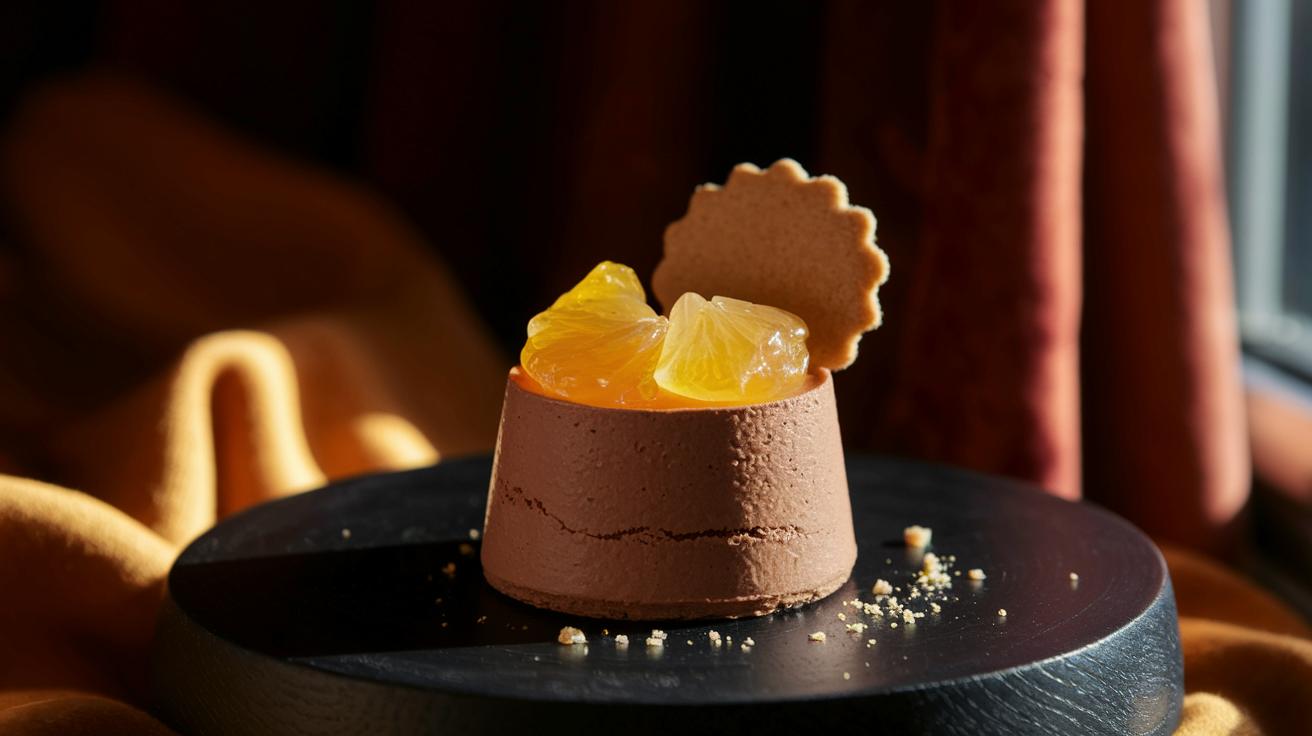
Think of desserts as the grand finale of a gourmet meal – that last delightful burst that leaves your taste buds grinning. Picture a smooth chocolate mousse paired with a zesty citrus gel, where each spoonful mixes creamy sweetness with a hint of brightness. This playful blend of textures, from silky to crisp, makes every bite a little adventure, wrapping up your dining experience just right.
These days, dessert is a chance to be playful and creative. Chefs are reimagining classic treats by breaking them down and mixing unexpected flavors, like a fun dance of savory and sweet. With simple, artful plating that lets every element shine, these desserts not only look stunning but also invite you to savor a new world of taste with each bite.
Wine Pairing Strategies for Gourmet Dining Courses
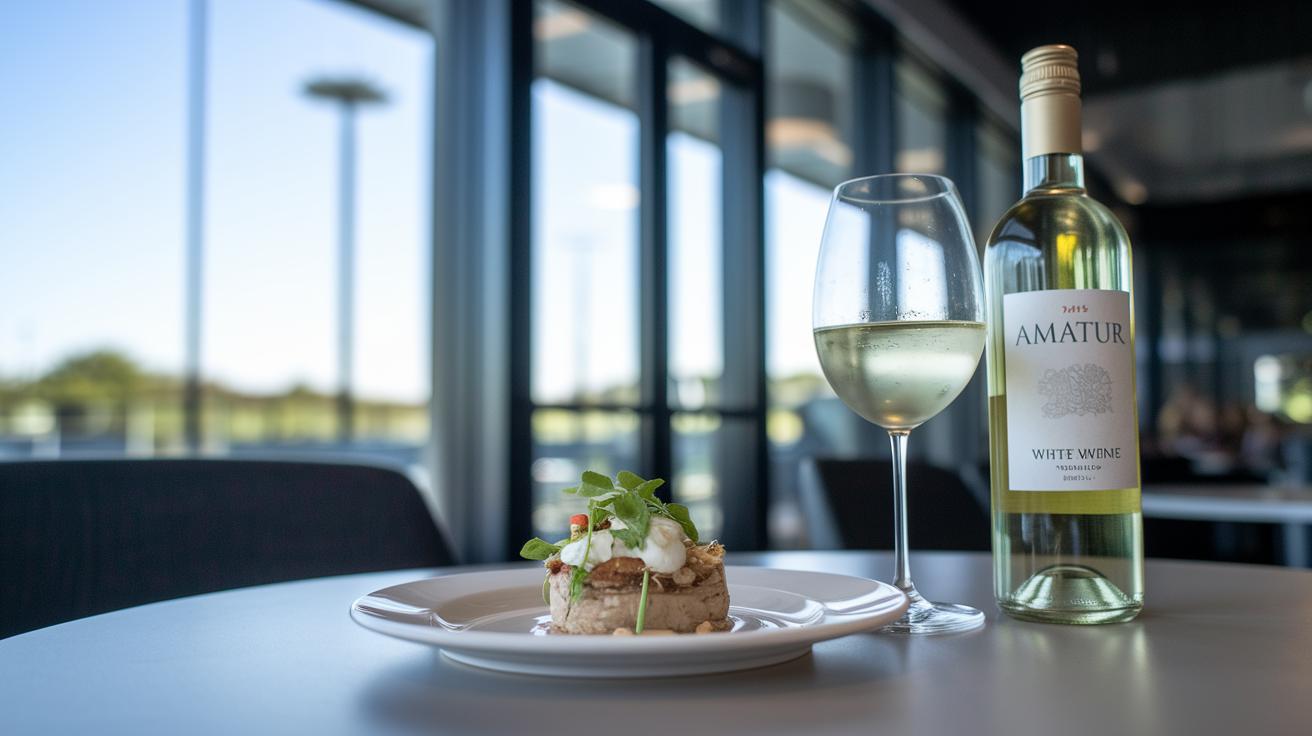
When you're set for a gourmet meal, choosing the right wine feels like planning the perfect adventure. It’s all about matching wines to food so that every bite and sip makes each course shine. Think of acidity as a tangy spark, body as the wine's heart, tannin as its dry side, and sweetness as a gentle finish.
For starters, try a light white or a crisp rosé. These wines keep things fresh and allow delicate flavors to sparkle without stealing the show.
Moving on to your main course, a medium-bodied wine is just the ticket. It blends nicely with richer flavors and a variety of textures, making each bite even more exciting.
When it's time for dessert, a sweeter or even a fortified wine works best. It finishes the meal with a smooth, indulgent touch that leaves you feeling completely satisfied.
Picking the right wine not only boosts the flavor of each dish but also creates a balanced, memorable dining experience.
| Course | Recommended Wine Style | Key Characteristics |
|---|---|---|
| Appetizer | Light whites or rosés | Bright acidity, refreshing and crisp |
| Main Course | Medium-bodied wines | Balanced tannins, smooth and harmonious |
| Dessert | Sweet or fortified wines | Luscious sweetness, silky finish |
And don’t hesitate to explore wines from different regions or try lesser-known varietals. It’s like discovering a secret spot on your travel map, a surprising twist that invites you to savor every sip as part of a delightful dining journey.
Presentation and Plating in Gourmet Dining Courses
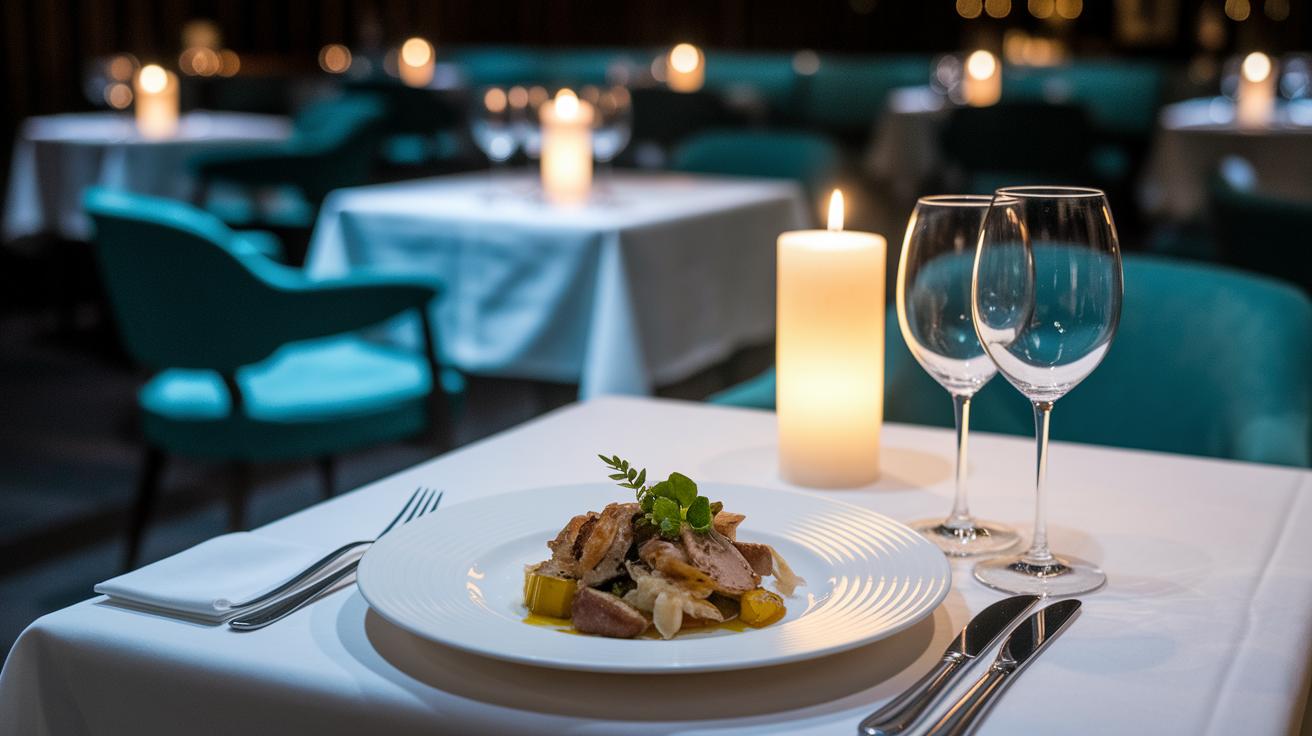
When you step into a fine dining experience, the first thing that grabs you is the visual design. A beautifully set table invites you to relax and get excited about the meal ahead. Imagine a table dressed with carefully chosen plates and linens that catch your eye even before you take a bite. It’s like walking into a warm, welcoming art exhibit where every detail is considered with care.
Chefs work hard to make every dish a feast for the eyes as well as the palate. They mix colors, textures, and flavors, much like a painter blends shades on a canvas. Picture bright green herbs, a rich, creamy sauce, and a perfectly seared piece of protein all coming together on one plate. This careful balance not only makes the dish delicious but also a joy to look at.
Sometimes, the magic happens with a little extra touch that brings you right into the experience. Think about sauces prepared tableside or a chance to add your own garnishes. These small, interactive moments make you feel part of the culinary adventure, turning each course into a shared celebration of taste and creativity.
Expert Tips for Gourmet Dining Courses
Developing your culinary skills is all about trying new ideas, making small changes, and perfecting your recipes as you go. Chefs often lean on honest guest feedback to fine-tune everything, from adjusting a spice blend to ensuring that meat is tender and flavorful. It all comes down to practice and the willingness to experiment.
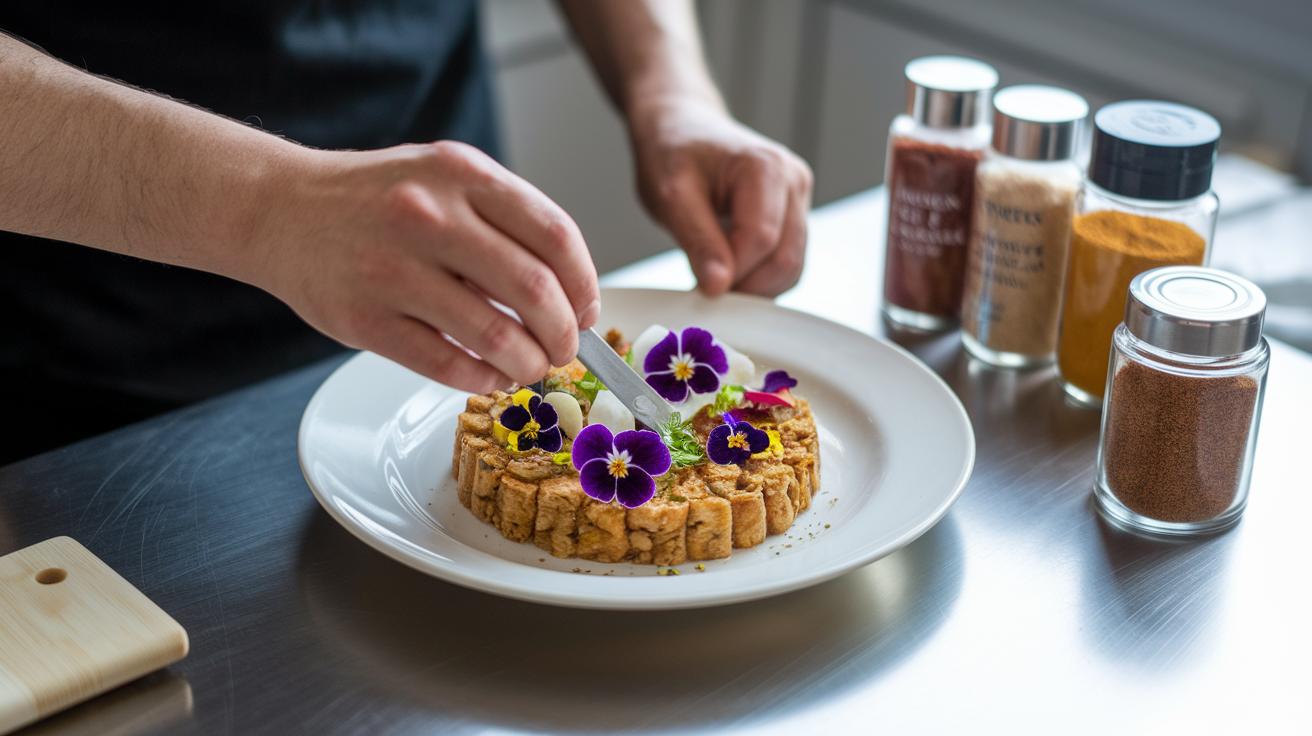
Imagine setting up your dish with flair, planning ahead for a smooth plating can turn an average meal into a standout experience. For instance, prepping a few flower garnishes in advance means every detail shines when it's time to serve. This smart approach combined with a constant desire to learn can truly boost your dining experience.
Interactive service leaves a warm, lasting impression on guests. Try adding little DIY garnishes or a special tableside touch that invites diners to join in the fun. Sharing a quick personal story behind a dish not only connects you with your guests but also lends a genuine feel to the meal. In this way, thoughtful preparation and engaging personal details transform dinner into an adventure you and your guests will remember.
Final Words
In the action of planning a full course meal, we explored the artistry behind light appetizers, standout mains, creative desserts, and the thoughtful pairing of wines. We looked at how each element, from presentation to expert techniques, works together to create a memorable dining experience. This guide to gourmet dining courses shows you simple ways to bring a burst of flavor and joy to your table. Enjoy putting these insights to work for a meal that’s as inviting as it is unforgettable.
FAQ
What does a guide to gourmet dining courses PDF provide?
The guide to gourmet dining courses PDF offers a clear look at planning multi-course meals, covering key courses like appetizers, main dishes, and desserts to create a memorable dining experience.
What are some examples of a 5-course menu?
The 5-course menu examples show a balanced setup that usually starts with an appetizer, then a soup or salad, followed by a main, a cheese course, and ends with a dessert, offering smooth flavor transitions.
What does a 7-course meal example include?
The 7-course meal example lays out a sequence by starting with a starter, moving through a series of dishes like soup, fish, and main course, plus a palate cleanser, dessert, and sometimes cheese for a full experience.
How is a full course dinner structured?
The full course dinner is structured to begin with an appetizer, progress through one or more main dishes, and finish with a dessert, providing a taste experience with well-planned flavor progressions.
What distinguishes a 12-course meal in gourmet dining?
The 12-course meal distinguishes itself with a detailed sequence of small, well-balanced dishes that offer varied tastes and textures, showcasing refined techniques and complex flavor arrangements.
What do 4-course menu examples typically include?
The 4-course menu examples usually include a starter, a main dish, a palate cleanser to freshen the taste, and a dessert, providing a straightforward yet satisfying dining format.
How can one view a full course meal example?
The full course meal example demonstrates a structured dining format with steps that build from an inviting appetizer, through a satisfying main, and conclude with a delightful dessert to round out the evening.

