
Have you ever wondered why your cruise expenses sometimes end up higher than you expected? Imagine planning every cost of your trip, from the cruise fare to those extra shore activities, and even saving a little more along the way.
In this post, I'll walk you through each cost so you know where your money is going. You'll pick up easy tips on how to budget for everything, letting you relax and enjoy your cruise without any nasty money surprises.
Cruise Budgeting 101: Steps to Budget for a Cruise

If you plan every travel cost, you can dodge surprise expenses that might throw off your cruise. When you list every cost, from your ticket to rides after your trip, you gain full control over your spending. Did you know many cruisers pay 30% more than planned because extra fees add up fast? That little fact reminds you to budget for every detail.
Breaking your costs into pieces helps you see and control each expense so you never spend too much. It’s like drawing a money map where you figure out where to save and where to treat yourself. Imagine setting aside a fixed amount each day for drinks and meals. It keeps you on track and in charge.
Here are some of the main expense categories:
- Base cruise fare
- Gratuities
- Onboard extras (drinks, specialty dining, spa)
- Port fees and taxes
- Shore excursions
- Travel insurance
- Pre- and post-cruise transportation & lodging
When you plan for every expense right from the start, your budgeting becomes stress-free. Breaking everything down not only helps you avoid overspending but also leaves some extra cash for a spontaneous treat or an upgrade during your trip. With every cost tracked, from a basic cabin fee to extra shore tour charges, you set the stage for a smooth, worry-free cruise experience.
Breaking Down Cruise Costs: Fare, Fees, and Extras

When you come across a 7-day cruise with a starting fare of just $499 per person, don’t be too surprised if you later see your total climb to around $2,000–$2,500. Hidden extras like service fees, port taxes, and on-board activities can add up quickly. These extra costs mean that the low fare you see is only a part of your overall trip cost.
Take a look at this simple breakdown:
| Cost Category | Average Range (Per Person) |
|---|---|
| Base Fare (Interior Cabin) | $499–$2,500 for 7 nights |
| Gratuities | $12–$15 per day |
| Port Fees & Taxes | $150–$200 per cruise |
| Specialty Dining & Drinks | $30–$100 per meal |
| Shore Excursions | $50–$200 per port |
Every one of these charges plays its part in the overall cost of your cruise. For example, tips can add roughly $84–$105 over a week, and port fees are a steady expense no matter what cabin you choose. And don’t forget about fun extras like specialty dining or shore trips, they can vary a lot and really affect your total bill.
By understanding each of these costs, you get a clearer picture of your cruise budget. It helps you plan better and know exactly where your money is going, making your cruise planning a whole lot easier.
Strategic Budget Allocation for Your Cruise Itinerary

When planning your cruise spending, think of it as filling different small buckets for each type of expense. This simple approach helps you avoid overspending and keeps your money organized.
- Spend half of your total budget on the base fare and taxes.
- Set aside 15% for tips and service fees.
- Reserve about 20% for onboard extras like drinks, meals, or a relaxing spa session.
- Allocate 10% for exploring ports and enjoying shore excursions (organized trips at a destination).
- Keep 5% as a backup for unexpected expenses.
This plan makes sure every essential part of your trip is covered. For example, tips can quickly add up to around $84–$105 per week for each traveler, and shore excursions on a multiport cruise might cost anywhere between $200 and $1,000 or more. Onboard extras such as drinks or spa treatments can often exceed $50 daily, and travel insurance may run around 5–10% of your cruise fare.
Feel free to adjust these percentages based on how you like to travel. If you plan to indulge in many onboard activities or explore several ports, you might want to shift your budget a bit to cover those extras. In the end, make sure your spending fits the cruise adventure you’re dreaming of.
Cost-Saving Strategies on Board: Tips for Affordable Onboard Spending

Cruising on a ship can be a blast, even when you're trying to watch your wallet. You don't have to give up fun to save money, you simply tweak your plans a bit. With a little forethought and some clever ideas, you can keep costs in check and still have a memorable time at sea.
Imagine catching a free happy hour or a complimentary tasting event, where you can sip on delightful drinks and snack without spending extra. Or picture yourself joining cabin crawls to compare rooms, making sure you pick the perfect one for your budget without those pesky upgrade fees.
When it comes to exploring new ports, organizing a group tour can be a win-win. Splitting the transportation costs with fellow travelers means more savings and more adventures together. And if you're a drink enthusiast, think twice before buying a beverage package, commit only if you're sure you'll enjoy about 5 to 7 drinks a day. That way, you hit your break-even point sooner rather than later.
Another tip is to book specialty dining early. This can snag you promotional discounts that lower the cost of those premium meals you’re excited to try. Plus, keeping track of your spending with daily expense statements helps you catch any surprise charges before they add up.
By following these simple strategies, you can enjoy every moment onboard without breaking the bank. It's all about smart choices that let you have the best of both worlds, a cruise that's as budget-friendly as it is exciting.
Planning for Shore Excursions: Budgeting Trip Activities

Going ashore is exciting, but it can also add up quickly. Tours at ports can cost anywhere from $50 to $200 per person. Last-minute bookings might cost even more. Whether you join a guided tour or explore on your own using local buses or taxis, smart planning means balancing memorable experiences with keeping costs in check.
It often pays to compare different options. For instance, organizing your own port visit with a taxi or ferry might cost 25 to 50 percent less than an official tour. And if you book your excursion over 60 days in advance, you could save around 15 to 20 percent.
• Compare official ship tours with local operators.
• Pre-book or join group deals to score discounts.
• Remember to add local transport fees like taxis and ferries to your budget.
• Pick your must-see ports and plan your budget around them.
By keeping these tips in mind, you can manage your spending on shore activities while still enjoying each new adventure. Planning ahead lets you soak in the experience without any surprises on your bill.
Pre- and Post-Cruise Expenses: Extending Your Budget Beyond the Ship

When you plan your cruise, remember that there are extra costs waiting off the ship. You might be amazed at how fast things like flights, driving, and parking fees can add up. Imagine arriving at your destination only to find out you've spent an extra $200 to $600 on flights, or about $40 to $60 a day just for parking if you drive. Even if your hotel offers a shuttle service, there's still extra money to set aside for ground expenses.
| Expense Type | Estimated Cost |
|---|---|
| Airport Transfer | $30–$75 |
| Pre-cruise Hotel | $100–$200/night |
| Post-cruise Activities | $100–$300/night + fees |
Plan ahead to avoid any surprises. Booking your hotel early could get you a better rate, and sometimes you can find deals that include shuttle rides or airport transfers along with your stay. You might even consider friendly local guesthouses or vacation rentals that cost less than typical mid-range hotels, leaving you more to spend on local sightseeing or a tasty meal once your cruise adventure winds down.
Building Your Cruise Budget Template: Tools and Best Practices
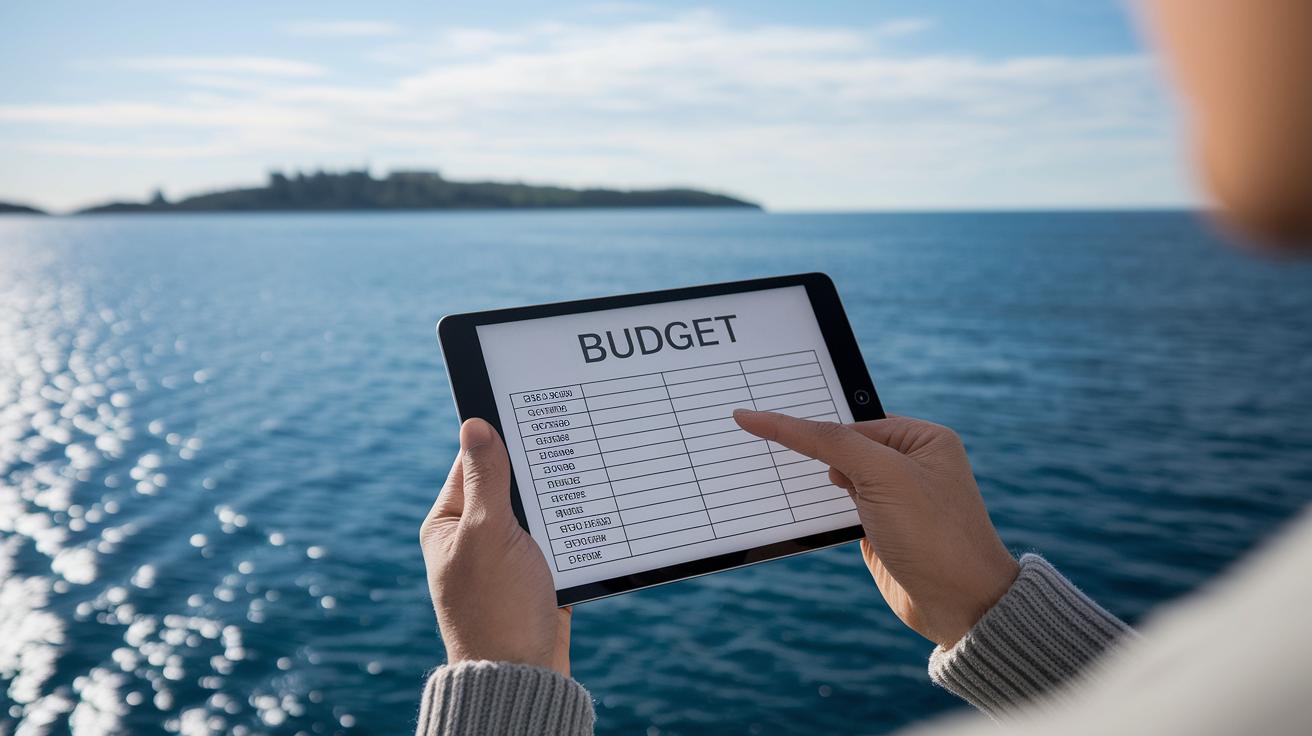
Making a budget template that you can use again and again is a great way to keep your cruise spending in check. Many cruisers love using a custom spreadsheet where they jot down each daily charge and set up different sections like fare, dining, and excursions. And now, cruise lines give you online tools that show your on-deck balance on the spot, while handy mobile apps help you track your spending as it happens. It feels good knowing every cent is counted, whether you're planning a fancy dinner or a fun shore adventure.
Try these tips for tracking your cruise expenses:
- Create a custom spreadsheet with separate tabs for fare, dining, and excursions. This way, you can easily see where your money is going.
- Check the cruise line's online budget estimator or planner to get an updated look at your onboard spending.
- Download a mobile expense-tracker app with alerts so you always know your daily costs.
- Share your budget file with your travel buddies, making it a group effort to stick to your limits.
- Take a look at your onboard statement each evening and tweak the next day's budget if needed.
Following these simple steps will help you set up a budget that fits your cruise adventure perfectly. Enjoy your trip with peace of mind knowing your spending is under control!
Managing Unexpected Cruise Costs: Contingency Fund Planning

Sometimes when you're on a cruise, surprises pop up like unexpected expenses. Having a little backup fund is like carrying a trusty lifebuoy out at sea. Imagine feeling that gentle reassurance, knowing you have an extra stash for sudden medical needs or a last-minute flight change. It makes dealing with life's little hiccups feel a bit easier.
Here are some simple tips to help you stay prepared:
- Save at least 5% of your total cruise budget for emergencies. For example, if your trip costs $2,000, set aside about $100.
- Buy travel insurance that covers health issues and trip interruptions. This extra layer of protection can help with expensive surprises, sometimes over $500.
- Check your onboard bill every day so you can spot unexpected charges right away.
- Carry multiple ways to pay, like a credit card and some cash in different currencies, just in case.
This extra planning lets you kick back and enjoy the cruise, confident that you can handle any unexpected wave that comes your way.
Final Words
In the action, we broke down each expense, from base fares and gratuities to onboard extras and shore excursions, to show how planning every detail helps prevent overspending.
We also explored tools for creating a reusable budget template and discussed setting aside funds for unexpected costs.
This guide explains how to budget for a cruise clearly and practically.
Take these steps with you, and get ready to enjoy a well-planned cruise filled with memorable moments and smooth sailing ahead.
FAQ
How can I effectively budget for a cruise?
Budgeting for a cruise means tracking base fares, fees, and extras. Many online communities suggest planning for ticket prices, onboard charges, excursions, and insurance to prevent surprises.
How do cost factors compare for Carnival Cruise, Royal Caribbean, and MSC Cruises?
Comparing Carnival Cruise, Royal Caribbean, and MSC Cruises involves looking at cabin types, fees, and onboard extras. It’s smart to review base fares and additional costs so you can pick the option that works best.
What is the average cost of a week-long cruise for two?
The average cost for a 7-day cruise for two generally runs from about $2,000 to $2,500 per person once you include fees, gratuities, and onboard extras, though this can vary by cabin choice.
How much extra spending money should I bring on a 7-day cruise?
Figuring out extra spending money means budgeting for extras like drinks, specialty dining, and excursions. Many cruisers set aside around $150 to $300 per person per day for these additional expenses.
What does the 3:1:1 rule on cruises signify?
The 3:1:1 rule on cruises outlines spending by suggesting three parts for the base fare, one part for gratuities, and one part for onboard extras, helping you organize and manage your budget.
Is spending $2000 on a cruise considered too high?
Spending $2000 on a cruise can be reasonable when it covers the base fare, fees, and extras, but it’s important to break down each cost to see if it aligns with your vacation plans.

