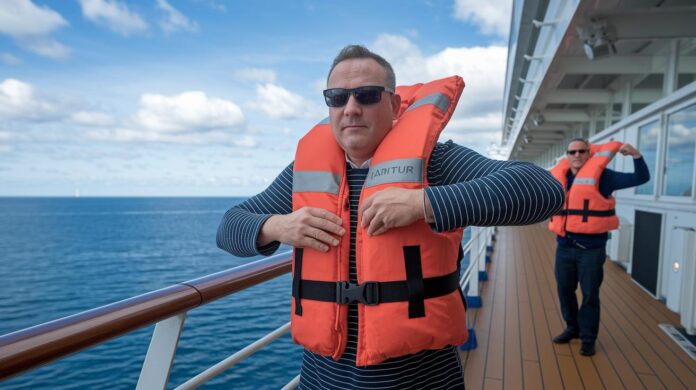
Have you ever thought about what you would do if you heard an unexpected alarm while enjoying a cruise? Even the calmest journey can change in a heartbeat. Our easy guide explains what to do, like noticing the alarm sound, heading to your assigned meeting spot, and finding your life jacket. By following these simple steps, you'll feel ready to handle any surprise with confidence, keeping you and those around you safe.
Essential Quick Actions in a Cruise Emergency Procedures Guide

When something unexpected happens on board, staying calm and acting fast is key. Use the Cruise Safety Guide to check out the ship’s safety rules. When you hear seven quick blasts followed by one long blast, know that it's time to get ready for safety.
Make sure you know your way around the ship. Find out where the emergency exits are, where you're supposed to go in a drill (the muster station), and where the life jackets are kept. Always listen to what the crew tells you and join in on the drills. It also helps to keep any personal medication or vaccines handy, since supplies on board are limited.
- Listen for the alarm: seven quick blasts then one long blow.
- Find where your life jacket is stored.
- Head to your assigned muster station.
- Secure your personal items.
- Pay close attention to the crew's instructions.
By taking these simple steps, you'll help keep yourself and everyone else safe. Look around for safety signs on the ship and stay alert for any announcements. If you notice anything unsafe, let a crew member know right away. Following these tips can make all the difference when things go sideways. And remember to keep up with government and news updates while you're onboard, you’ll feel a lot more confident and ready for anything.
Understanding Muster Station Briefing in a Cruise Emergency Procedures Guide
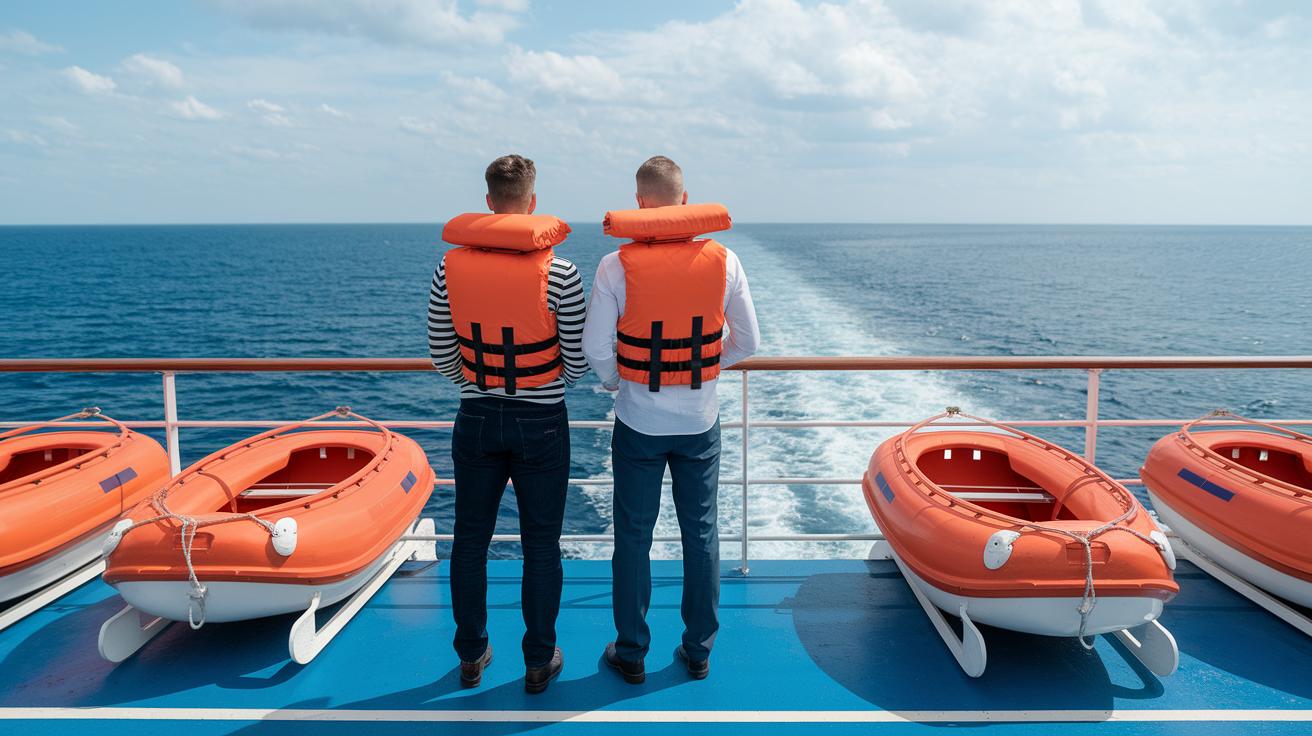
Mandatory muster drills help every traveler know their safe spot on board. These drills follow SOLAS standards and show you how to use a life jacket, find your color-coded lifeboat, and understand the crew's roles so you feel ready in an emergency.
During the drill, you join friendly crew-led exercises that guide you through the ship’s safety steps. First, you head to your assigned muster station. There, the crew walks you through checking your cabin and common areas and how to properly wear your life jacket. They even use a special alert system, imagine it like a practice alarm, to let you know when it's time to act. You might hear simple safety instructions or practice securing your belongings. All of this helps everyone learn to use the safety gear and stay calm together if something unexpected happens.
If you miss a drill or need extra help, just speak with a crew member right away. They’ll take the time to explain everything so you feel confident about what to do at your muster station.
Detailed Ship Evacuation Blueprint in the Cruise Emergency Procedures Guide
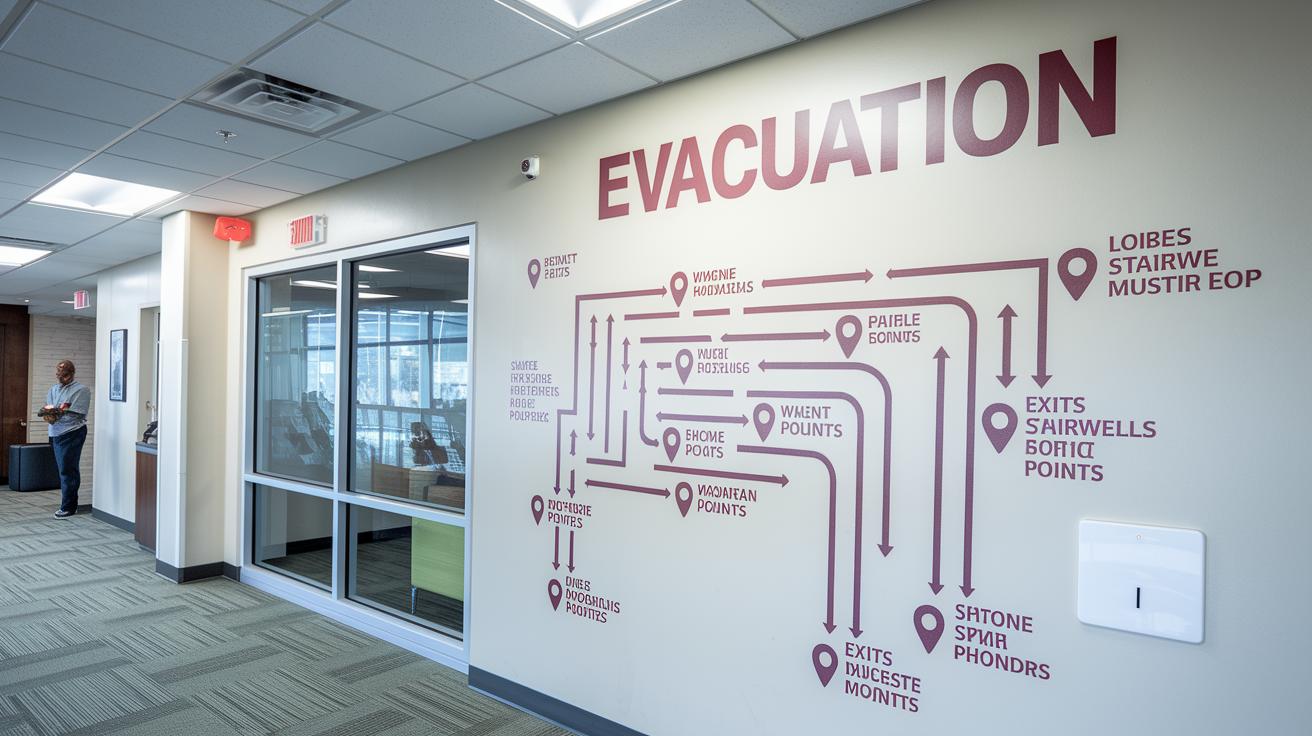
Evacuation plans are essential for everyone’s safety during an emergency. Think of this blueprint as your go-to guide that shows every exit, both the main and backup routes, and gives you clear maps of stairwells and muster stations. When you hear PA announcements, horn blasts, or see signal flags, having this plan in mind can really make a difference.
Imagine a moment when every second matters and a clearly marked stairwell saves a life. These easy-to-follow maps and directions help ease your stress and ready you to move quickly if something unexpected happens.
| Role | Responsibility | Location |
|---|---|---|
| Passenger Assembly | Gather and report headcount | Muster Station |
| Crew Muster Leader | Direct boarding and count | Boat Deck |
| Medical Team | Triage and treat casualties | Ship’s Clinic |
| Bridge Officer | Coordinate overall evacuation | Bridge |
Take a few minutes to check out the deck plans and signage around the ship. These visual aids boost your confidence by making sure you know exactly which way to go and where the muster stations are, so when it counts, your escape plan is clear and ready to follow.
Crafting an Effective Cabin Exit Strategy in a Cruise Emergency Procedures Guide
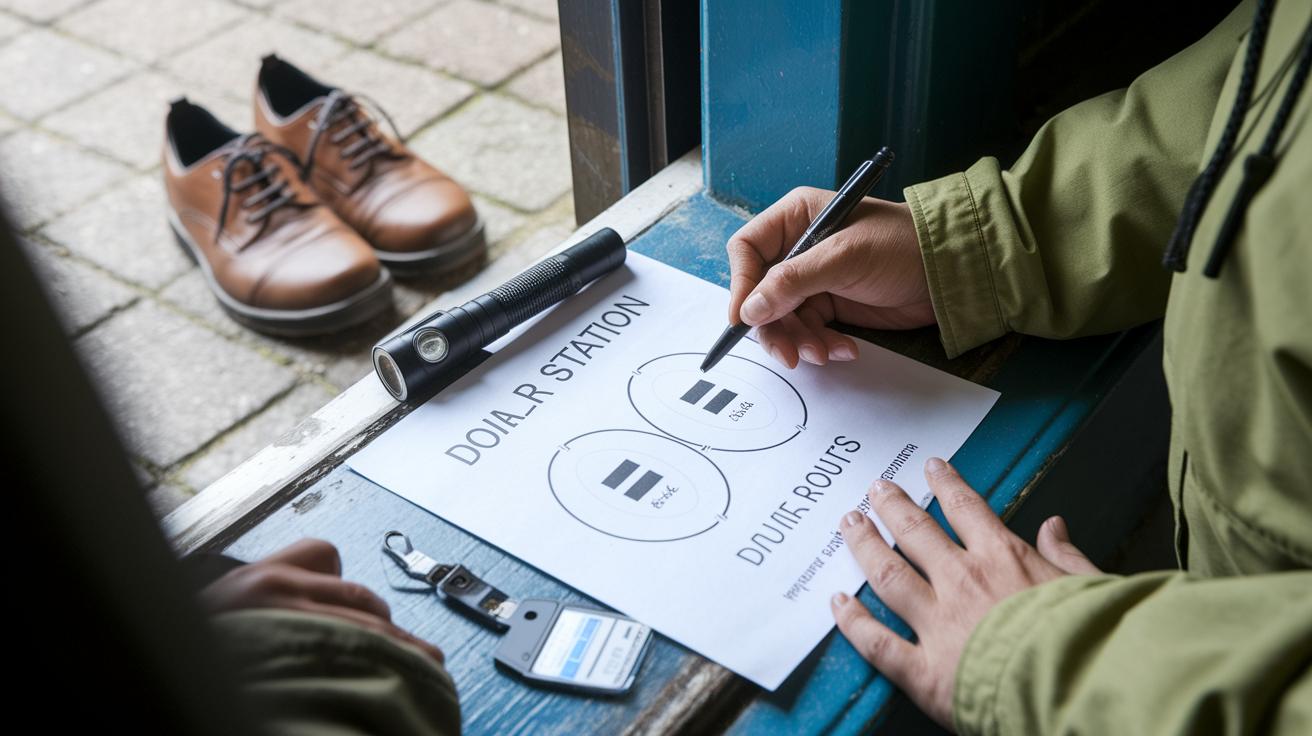
Start by mapping out two ways to leave your cabin on a simple diagram. Grab a piece of paper and sketch your room, marking the main hallway and a backup path. This plan helps you know which way to go if one exit is blocked. Imagine a clear route from your door to the hallway, then straight to the closest muster station. This little roadmap can guide you fast when you need it most.
Keep a few essentials right by your door, a trusty flashlight, a pair of shoes, and your ID.
Sit down with your travel mates and compare your exit plans. Chat about the safest way to leave your cabin during a hectic moment. Make sure everyone agrees on a meeting spot outside and knows where to find the nearest exit. Sharing this plan not only boosts your safety but also gives you all peace of mind when you're on board.
Rescue Craft Protocol and Flotation Device Distribution in a Cruise Emergency Procedures Guide
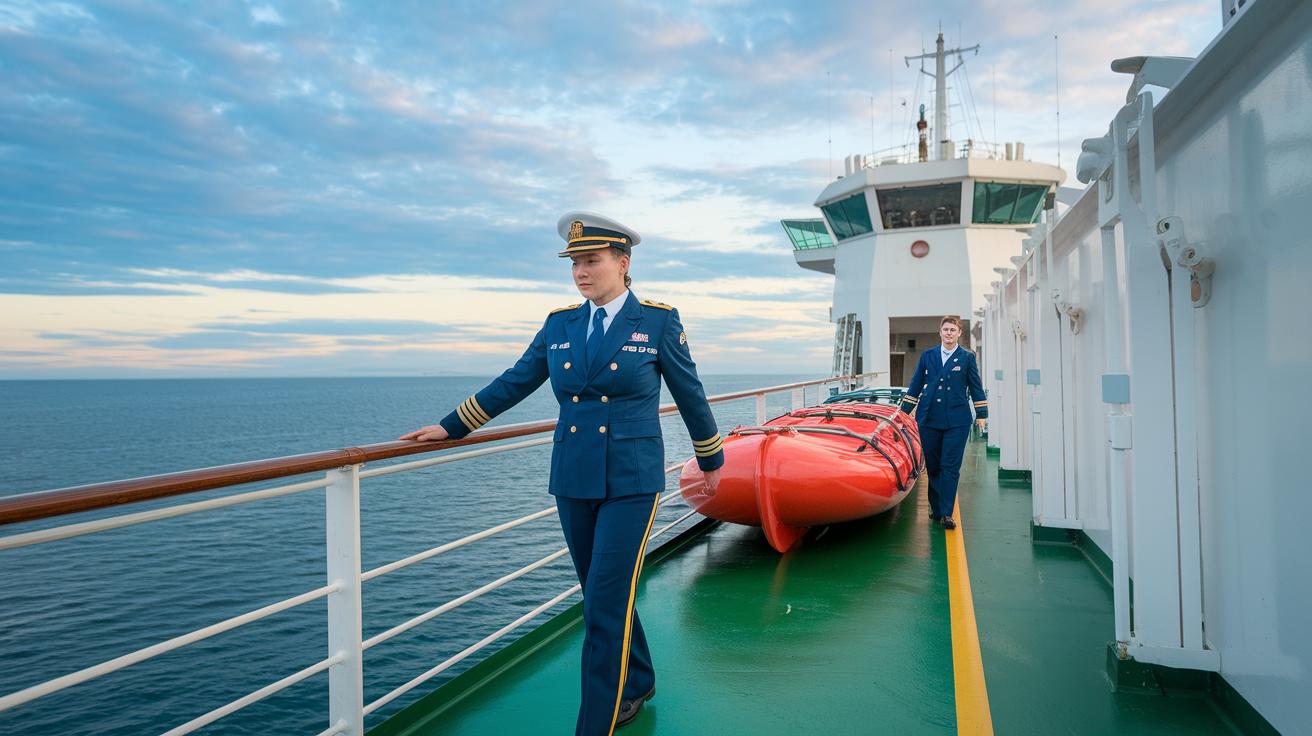
When an emergency happens on board, staying calm and acting quickly is key. The rescue craft procedure starts immediately, with lifeboats lowered and clear boarding orders given by group number. Crew members work together to guide everyone to their assigned lifeboat station. Imagine hearing a friendly, clear instruction that directs you safely to the nearest lifeboat.
After you reach your lifeboat, the next step is to check your life jacket. You can usually find life jackets stored near your cabin or under your bed. Grab one, slip it on, and give it a quick tug to make sure it will keep you afloat. The crew is right there to show you the proper way to wear it, so you can be sure you’re all set.
Meanwhile, the crew makes regular checks to ensure there are extra life jackets, signal lights, and first-aid kits on hand. Stay cool and follow their directions, knowing that every detail is checked to make sure your escape is as smooth and safe as possible.
Role of Crew Practice Exercises and Vessel Safety Instructions in a Cruise Emergency Procedures Guide
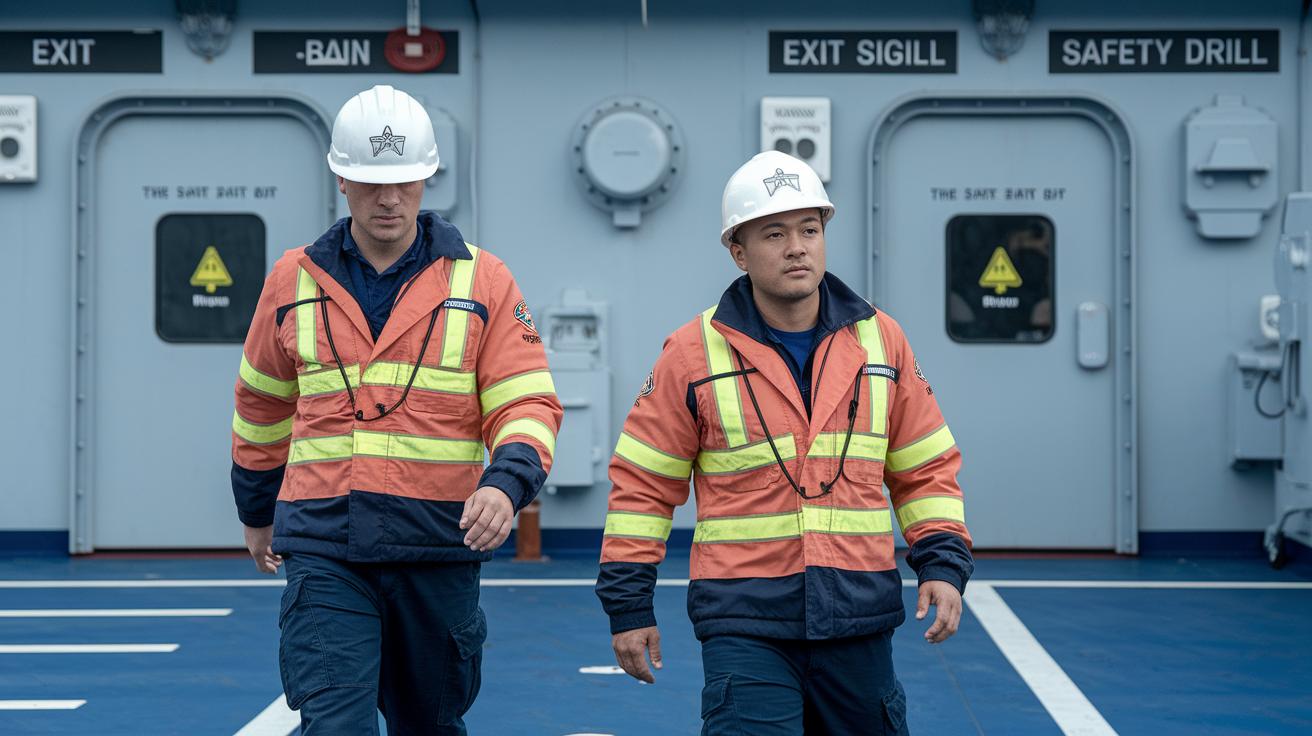
Crew training follows clear SOLAS guidelines to help build confidence and readiness on board. Every crew member learns basic safety tips, like where to find fire extinguishers and emergency exit signs, so they can act fast when needed.
During drills, the crew runs through different emergency scenarios. For example, fire drills prepare them for situations where every second counts, while abandon-ship drills focus on safe ways to leave cabins and gather at muster stations. They also practice medical-response exercises, which get everyone ready to handle injuries on board. These hands-on drills not only check how well the crew follows safety standards but also remind them of the safety instructions posted in cabins. That way, everyone knows where the crucial safety gear is and the best routes to take during an emergency.
Passengers also benefit from watching these drills. When they see the crew performing precise and energetic exercises, it helps them understand how to check cabin maps for exits and correctly use flotation devices.
Maximizing Onboard First Aid Resource Use in a Cruise Emergency Procedures Guide
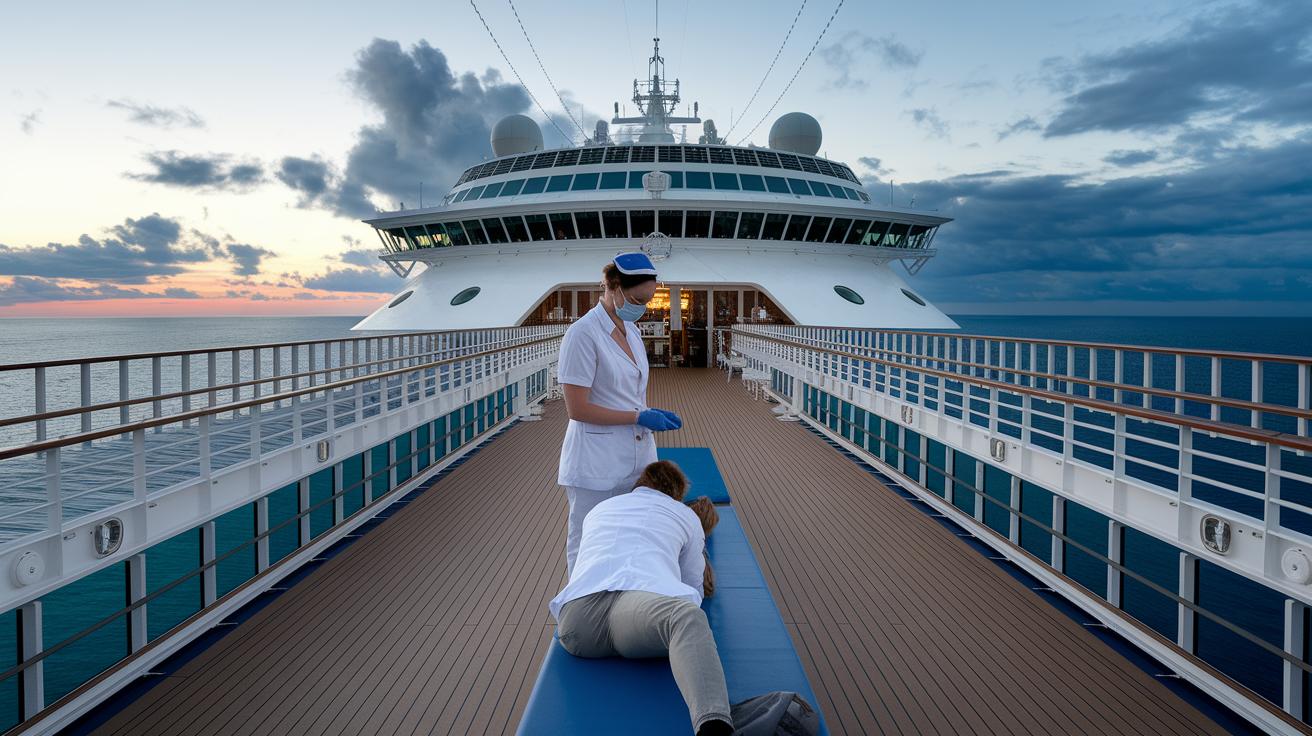
If you're ever not feeling well on board, check out the first aid centers on decks 3, 6, and 9. They're open 24/7 and staffed by caring medical professionals who are there to help you quickly. Knowing exactly where these spots are can really ease your mind when you're in a pinch.
These stations are set up to handle everyday mishaps, like minor injuries or sudden illnesses. And it's a smart move to keep your personal medications close and update the crew about any allergies during muster drills, it helps them be ready when you need assistance. Having a plan to reach a first aid station means you can act swiftly and stay calm during an emergency.
The process is simple:
| Step | Action |
|---|---|
| 1 | Check your condition |
| 2 | Let a crew member know |
| 3 | Get the help you need |
| 4 | Head to the clinic if necessary |
After you've received help, keep an eye on how you're doing and mention any symptoms that stick around. This extra step helps the crew manage your care better and supports a smooth recovery.
Final Words
In the action, we explored every key step to keep you safe onboard, from learning emergency signals and knowing muster station details to planning your cabin exit and understanding rescue craft protocols. We shared practical advice on following crew instructions, marking exit paths, and staying equipped with essentials during a crisis.
Key points include:
- Recognizing alarm signals
- Finding life jackets quickly
- Heading to designated muster stations
- Following crew directions
- Keeping emergency items handy
This cruise emergency procedures guide helps you stay ready and confident on every voyage.
FAQ
FAQ
What does a cruise emergency procedures guide include for Royal Caribbean, Carnival, or Caribbean cruises?
The cruise emergency procedures guide covers safety signals, exits, muster stations, and crew instructions. It helps passengers quickly understand onboard safety steps, whether in a PDF format or printed onboard.
What does the muster drill procedure on a cruise ship involve?
The muster drill procedure outlines where and how to gather at designated stations and follow crew instructions. It ensures everyone practices vital safety steps and familiarizes themselves with ship exits.
How is security managed on Royal Caribbean and other cruise ships?
Royal Caribbean cruise security follows strict safety regulations and security requirements. The crew conducts drills, instructs passengers, and uses defined protocols to maintain a secure onboard environment.
What is the 3:1:1 rule on cruises?
The 3:1:1 rule on cruises refers to the liquid carry-on guideline. It means liquids must be in containers of up to 3.4 ounces each, all placed in one clear one-quart bag, streamlining port security checks.
What does a pineapple on the door of a cruise ship indicate?
A pineapple on the door of a cruise ship signals a warm welcome. It often shows that the room is ready after cleaning and may include a special crew greeting for a friendly vibe.
What is the one word you can’t say on a cruise ship?
The one word you can’t say on a cruise ship is “fire.” This term is avoided to prevent unnecessary panic and ensure a calm environment during any emergency situation.
What does “Charlie Charlie Charlie” mean on a cruise ship?
“Charlie Charlie Charlie” is a crew signal used on cruise ships. It instructs all personnel and sometimes passengers to prepare for an immediate safety action, reinforcing onboard emergency protocols.

