
Ever felt a little tingle of queasiness before you even step on deck? You might think seasickness is just part of cruising, but it really does not have to be that way. A bit of planning and making smart choices can keep those uneasy feelings away.
Many travelers mix a trusted remedy with simple habits onboard to stay comfortable. In this guide, I am sharing easy, friendly tips to help prevent nausea so you can relax, feel the fresh sea breeze, and savor every moment on board. Ready to set sail without that worry?
Proven Techniques to Prevent Seasickness on a Cruise
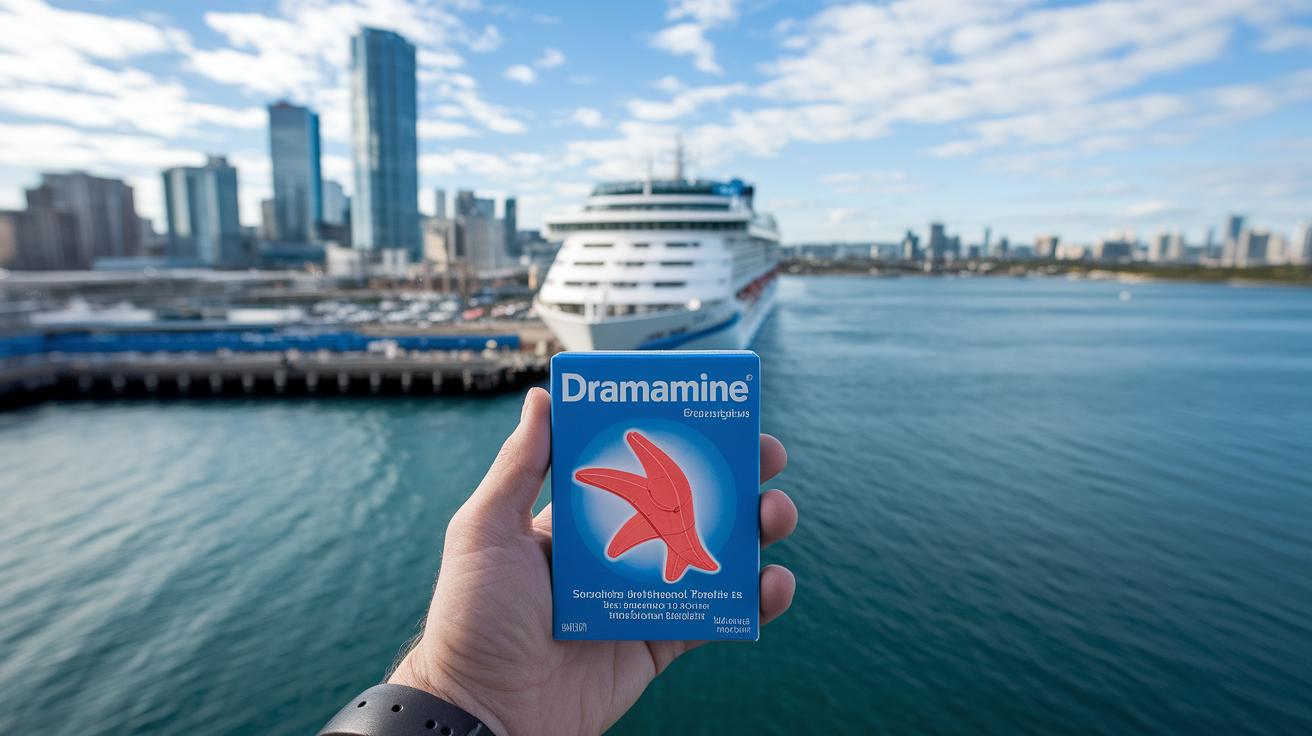
Getting a head start before your cruise can really help you feel your best on board. A bit of planning goes a long way in keeping seasickness at bay, so you can focus on enjoying every moment at sea. Many travelers swear by mixing a little medicine with smart onboard habits to keep those queasy feelings away.
Here are some friendly tips to set you up for a smooth sail:
- Take Dramamine® Original Formula about 30–60 minutes before boarding. If you need a longer-lasting option, consider Dramamine® All Day Less Drowsy the day before you leave.
- Book a cabin in the middle of the ship on a lower deck. This spot takes advantage of the ship’s stabilizer system, which helps lessen the rocking motion.
- Spend time on the deck to breathe in fresh air. Feeling the breeze can help steady your balance.
- When you start feeling uneasy, try looking at the horizon. Focusing on a fixed point can help your body adjust.
- Avoid reading or using screens if you feel off, it can make the symptoms worse.
- Keep your stomach calm by steering clear of too much alcohol and heavy meals.
- And if you need a natural remedy, sipping ginger ale or nibbling on plain crackers during your first day can work wonders.
Mix these practices together to create a solid defense against seasickness. It’s all about blending a little bit of medication with smart choices about where you stay and what you do on board. With a bit of preparation, you’ll be set to soak in every wave and enjoy your cruise to the fullest.
Causes and Mechanisms of Seasickness on a Cruise
Seasickness happens when your body gets mixed signals. Your eyes see one thing while your inner ear feels something else. This confusion can make you feel sick, dizzy, give you a headache, or even make you tired. Most people notice these signs soon after getting on board, but soon enough, your body adjusts and you start to find your balance within a day or two.
Modern cruise ships have smart systems that help steady the ride. Still, if the ship travels through rough waters, the movement can be stronger and the uneasy feelings might feel worse. The ship’s design along with the planned route can greatly impact how much you feel the motion. So if you want a smoother experience, choosing a cruise that sticks to calmer seas might be the best bet.
Choosing the Right Cabin to Reduce Seasickness on a Cruise
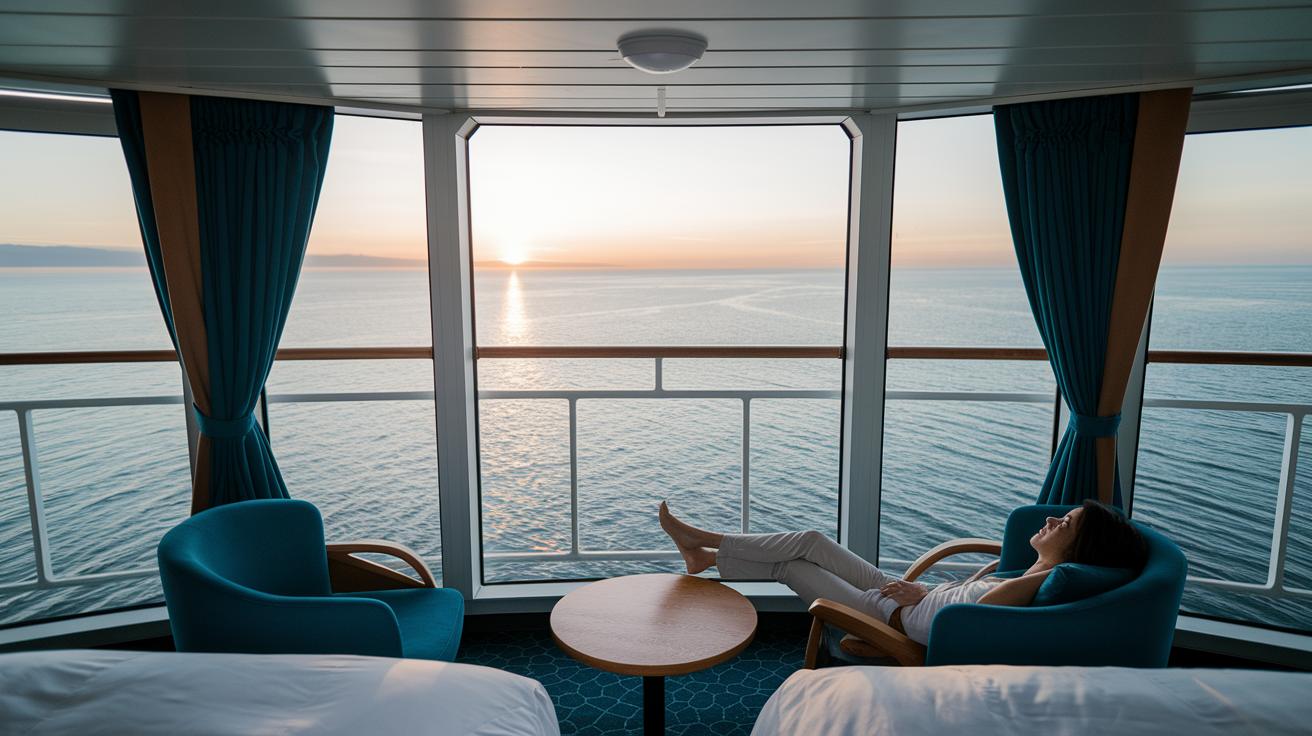
When you're cruising, the spot where you stay can really change how much the ship moves. Our top tip? Pick a cabin in the middle on a lower deck. It's like being in the peaceful center of the ship, where you barely feel the ocean's sway.
| Cabin Location | Description | Relative Sway Level |
|---|---|---|
| Mid-ship Lower-Deck Balcony | Right near the center; these rooms barely move. | Low |
| Forward Cabins on Upper Decks | At the ship’s front, these cabins can make you feel more of the motion. | High |
| Rear Cabins on Higher Decks | At the back, these rooms tend to sway more noticeably. | Medium to High |
Choosing a mid-ship, lower deck cabin is a top choice because the ship's even design means less rocking. It's a simple way to stay comfy, no matter where your day takes you. Check out our other tips for even more ways to pick the perfect cabin.
Pre-Embarkation Medication Strategies for Avoiding Seasickness on a Cruise
Motion-Sickness Tablets
Many cruisers find that taking a tablet before heading to the port can make a big difference. If you decide on Dramamine Original, taking a 50 mg tablet about 30 to 60 minutes before boarding can calm your stomach right as you set sail. For longer trips, Dramamine All Day Less Drowsy is a great pick, take 100 mg up to 24 hours ahead of your departure to keep nausea at bay. Bonine is another option; its 25 to 50 mg dose and non-drowsy formula keep you alert while easing symptoms like dizziness and queasiness. It helps to try these medications ahead of time so you can find what suits you best, like a little trial run before your grand adventure.
Scopolamine Patches
Scopolamine patches offer another handy way to keep motion sickness in check. Stick a patch behind your ear about 6 hours before boarding, and it will work steadily for up to 72 hours, giving you continuous relief. Some people might experience a dry mouth or a touch of light-headedness, so it’s a good idea to test it out at home first. Mixing the patch with other pre-cruise strategies can help you build a solid game plan to enjoy every moment of your voyage.
Natural and Behavioral Remedies to Avoid Seasickness on a Cruise

Ginger-Based Remedies
Ginger is a favorite natural trick to calm your stomach when you're out at sea. Many travelers like to chew on a ginger treat or sip some ginger ale the moment they notice a bit of queasiness. A few plain crackers might also do the job by soaking up any extra stomach acid. For example, try a small piece of ginger chew after a meal, the warm, spicy taste can soothe your digestion and make your cruise much more comfortable.
Acupressure Bands and Techniques
Acupressure is another handy way to ease those seasickness blues. A lot of cruisers wear bands that press on a special point near the inner wrist, called the P6 or Nei-Guan point. Gently pressing this spot can help lessen nausea by balancing the signals between your inner ear and what you see on the horizon. Just make sure the band fits snugly and let it work its calm magic.
Horizon-Focus and Fresh-Air Practices
Sometimes, all it takes is stepping out on deck to feel better. Breathe in the fresh air and keep your eyes on the distant horizon. This simple act can help keep your balance in check. You might try a few mindful breathing exercises while enjoying the cool sea breeze. Picture your thoughts resting on that far-off line where the sky meets the water, it can help ease tension and steady your senses.
how to avoid seasickness on a cruise: Relief!

Make sure you get plenty of sleep on board. Aim for 7 to 8 hours each night so your body can rest and adjust to the ship’s gentle rocking. When you wake up feeling refreshed, you're more ready to enjoy a new sea adventure.
Drink plenty of water and grab light snacks like crackers or ginger ale during your first day at sea. Eating small meals frequently, instead of large heavy ones, helps keep your stomach calm and happy. It’s a small change that can make a big difference in easing any queasy feelings.
Also, check out the onboard wellness services. Many ships offer calming treatments like spa acupuncture and relaxation activities that help balance your inner calm. And remember, avoiding too much alcohol and heavy meals can keep you feeling steady all day long. Enjoy every moment of your cruise with a clear mind and a comfortable body.
Planning Your Cruise Itinerary to Avoid Seasickness on a Cruise
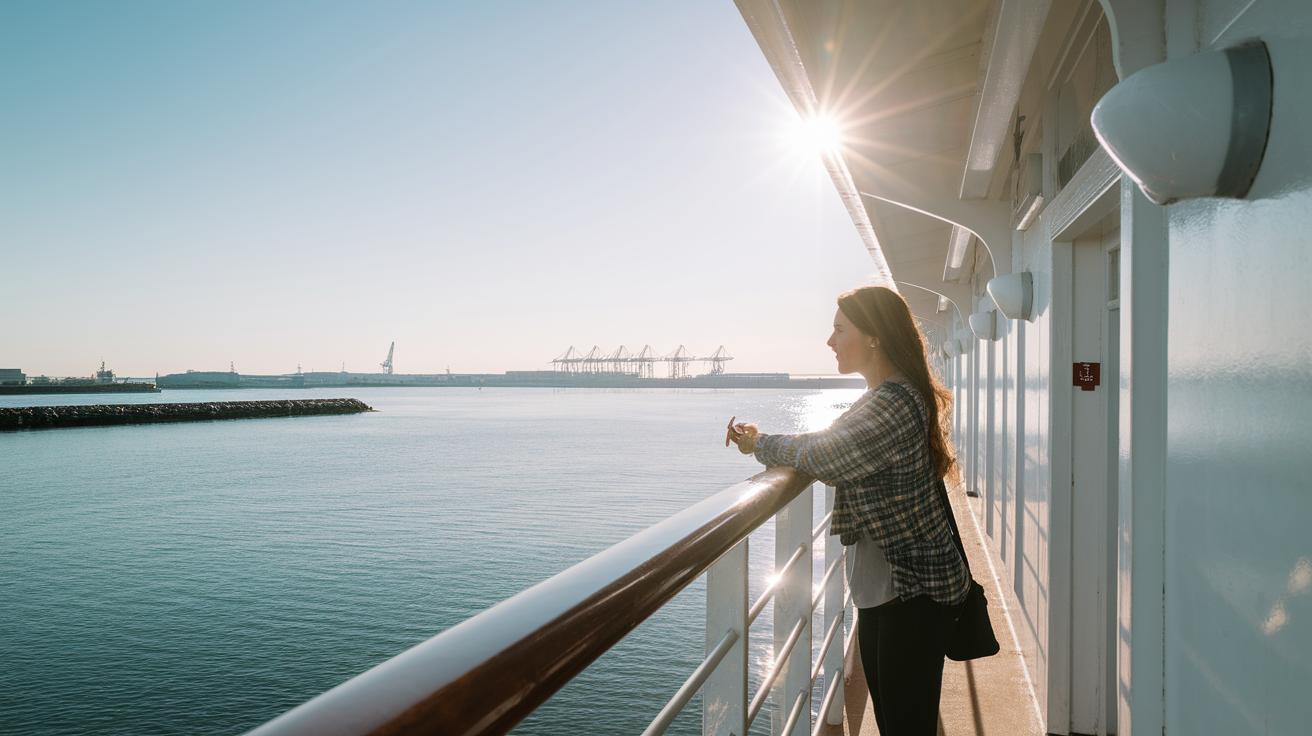
If you're worried about feeling queasy on your cruise, consider booking a shorter trip of 2 to 5 nights with stops at several ports. Short cruises let you spend less time feeling the gentle, sometimes tricky movements of the ship. Plus, hopping from port to port means you get regular breaks, giving your body a chance to relax and reset.
Choosing an itinerary that lands you at fun places on multiple days can be a real game-changer. It gives you the chance to explore new destinations while avoiding long periods on board that might add to any motion discomfort.
When picking a route, look for cruises that take you through more sheltered waters like those in the Mediterranean or the Caribbean. These areas usually have calmer seas, so you’re less likely to feel the ship rocking as much. With smoother sailing, you'll have more time to enjoy the beautiful views and exciting land adventures without worrying about seasickness.
Final Words
In the action, we reviewed key tips for easing seasickness on your cruise. We covered medication timing, smart cabin choices, natural remedies like ginger and acupressure, and practical onboard habits to keep you comfortable. We even discussed planning your itinerary to limit rough exposure.
Combining these methods gives you the best chance to feel great while sailing. With these strategies, including advice on how to avoid seasickness on a cruise, you’re set to enjoy smoother seas and memorable moments at sea.

