
Have you ever thought about how cooking went from a tiny spark to a craft bursting with flavor? In the very beginning, cooks used simple fire and clay pots, and over time, skilled chefs added special touches to every dish. Our history is full of surprising turns and brave choices that turned everyday meals into true masterpieces. In this blog, we'll take a friendly look at those moments when cooking grew into an art that blends old traditions with fresh, creative ideas. Enjoy the journey!
Gourmet Cuisine History: Key Milestones and Evolution

From the very start, cooking took off when people learned how to use fire. Our ancestors discovered that roasting meat and boiling water using clay pots, a pinch of salt, and some oil could create simple, satisfying meals. Imagine that, open flames replacing modern kitchens! Even in those early days, these methods set the stage for what would become a long and colorful journey in gourmet cooking. Later on, during the Middle Ages, cooks began using more local ingredients, simple open-hearth techniques, and exotic spices from faraway lands to put together impressive feasts fit for royalty.
As time went by, cooking stepped out of the home kitchen and turned into a celebrated art form. Between the 17th and 19th centuries, talented chefs started to shine, turning everyday recipes into beautifully refined dishes. Cooking schools, like the renowned Auguste Escoffier School of Culinary Arts, taught clear methods and creative plating techniques that reshaped fine dining. It was a time when cooking became not just about food, but a respected craft filled with creativity and passion.
Today, modern technology has given gourmet cooking a whole new twist. With smart tools like refrigerators, precision ovens, and methods such as sous-vide, where food is cooked in a water bath at carefully controlled temperatures, chefs have endless ways to perfect their dishes. Along with these handy advances, today’s cooks also pay close attention to nutrition and sustainability. Every new idea connects back to tradition, blending the best of the past with fresh innovations to make gourmet cuisine a real celebration of flavors and creativity.
Early Foundations of Gourmet Cuisine: From Fire to Feudal Feasts

Early cooking was more than just a spark and a few simple tools. People all over the world used open flames to bring out the best in local ingredients. They picked wild herbs and other natural flavors to make even the simplest meal feel special. Imagine ancient mariners adding a sprinkle of seaweed and dried fish to their stew, this creative twist still inspires coastal flavors today.
From about 500 to 1500 AD, every region began to develop its own unique cooking style. In Europe, cooks mixed fresh, local produce with a few exotic spices that came from faraway lands. Picture a small village cook stirring fresh garlic into a dish with spices traded from distant ports. These early recipes not only tasted great but also told the story of a world coming together through food.
Birth of Gourmet Cuisine: Professionalization and Culinary Education

Between the 17th and 19th centuries, cooking took on a new life. Chefs transformed everyday meals into creations that were as much art as they were food. They treated each spice like a note in a melody, arranging them to create perfect harmony with every dish.
Culinary education also evolved during this time. Early cooking schools mixed creative skills with strict training. They taught aspiring chefs how to master timing and presentation, much like a musician practices a timeless tune. The careful art of plating a dish became a lesson in both discipline and beauty.
Modern Innovations in Gourmet Cuisine: Techniques and Technology
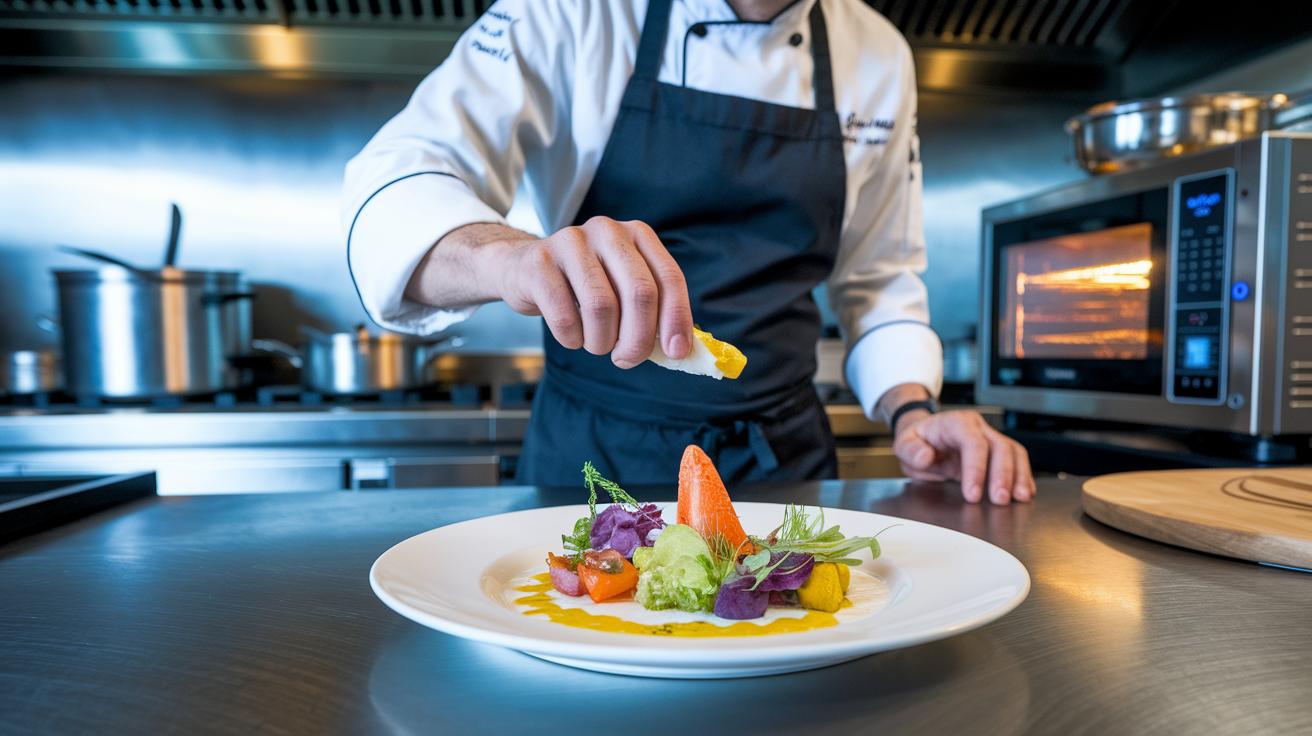
Modern kitchens now feature smart tools like automated ovens and sous-vide machines that help cook food perfectly. These gadgets ensure every dish has just the right texture and flavor, all while honoring classic cooking traditions.
Chefs are now diving into molecular gastronomy, a fun mix of science and cooking that creates surprising textures and taste adventures. It’s like a mini science experiment on your plate, turning every bite into an exploration.
Farm-to-table practices aren’t just about fresh ingredients anymore. They’ve become a way to connect each dish to its roots, showing a true commitment to sustainability and thoughtful ingredient choices.
- Refrigeration and cold storage (19th century)
- Mechanized ovens and precision equipment
- Sous-vide temperature control (1970s adoption)
- Molecular gastronomy techniques (1980s–1990s)
- Farm-to-table sourcing (2000s trend)
- Sustainability and nutritional customization
Influential Chefs and Movements in Gourmet Cuisine History
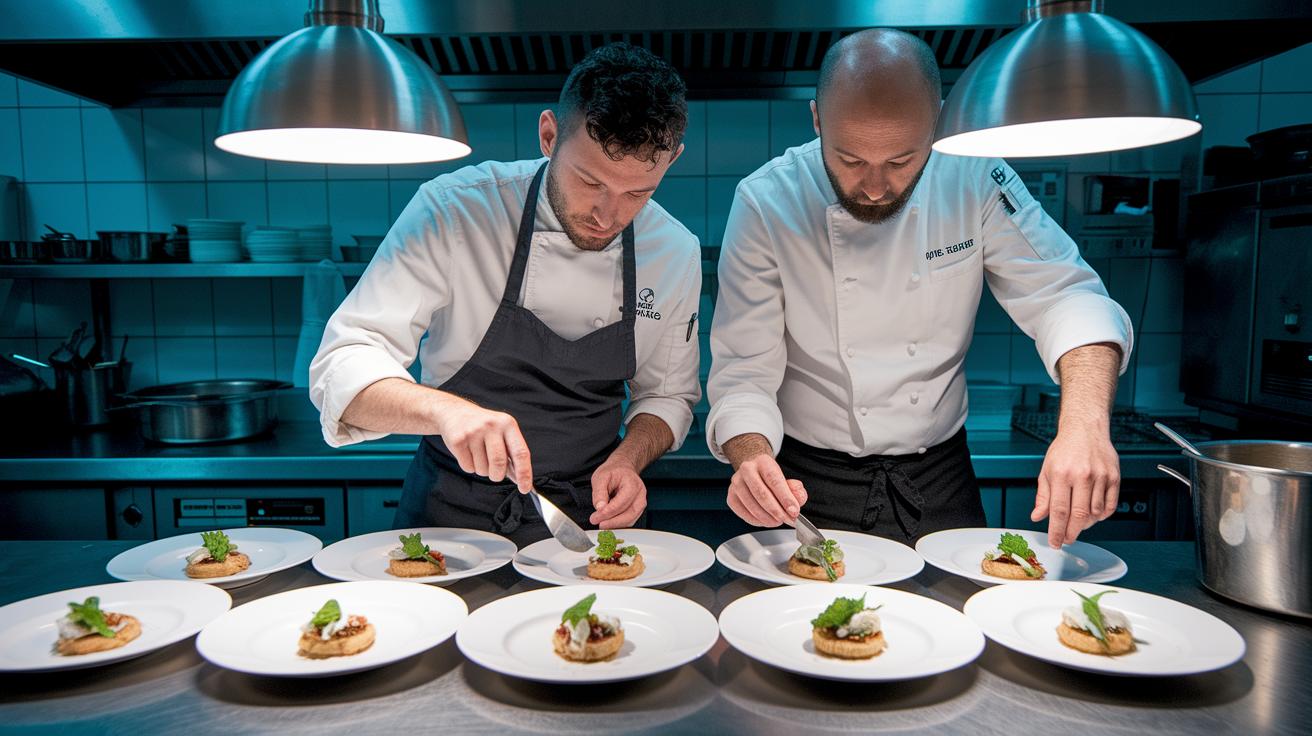
Auguste Escoffier changed the kitchen game with his brigade system. He arranged the team so that each chef had a clear role, much like players on a sports team knowing their position. It was like watching a well-coordinated performance where every touch led to a special meal. His way of working inspired cooks around the world to see cooking as both a craft and an art.
From the 18th through the 20th centuries, chefs began to introduce fresh ideas about how food was made and served. Dining became more than just eating, it turned into a multi-course event with thoughtful service. Chefs started setting up culinary schools to spread their easy-to-follow methods and precise techniques. In doing so, they made every dish tell a unique story about refined dining and a deep respect for ingredients.
Innovative chefs sparked trends that changed how kitchens work everywhere. Their legacy still shines through in today’s cooking, where dishes are crafted with a blend of care and creativity. They built a bridge from simple home cooking to the elegant art of plating and service we enjoy now. It’s a lively reminder of how classic techniques keep inspiring modern gourmet experiences.
Legacy and Future Directions in Gourmet Cuisine History
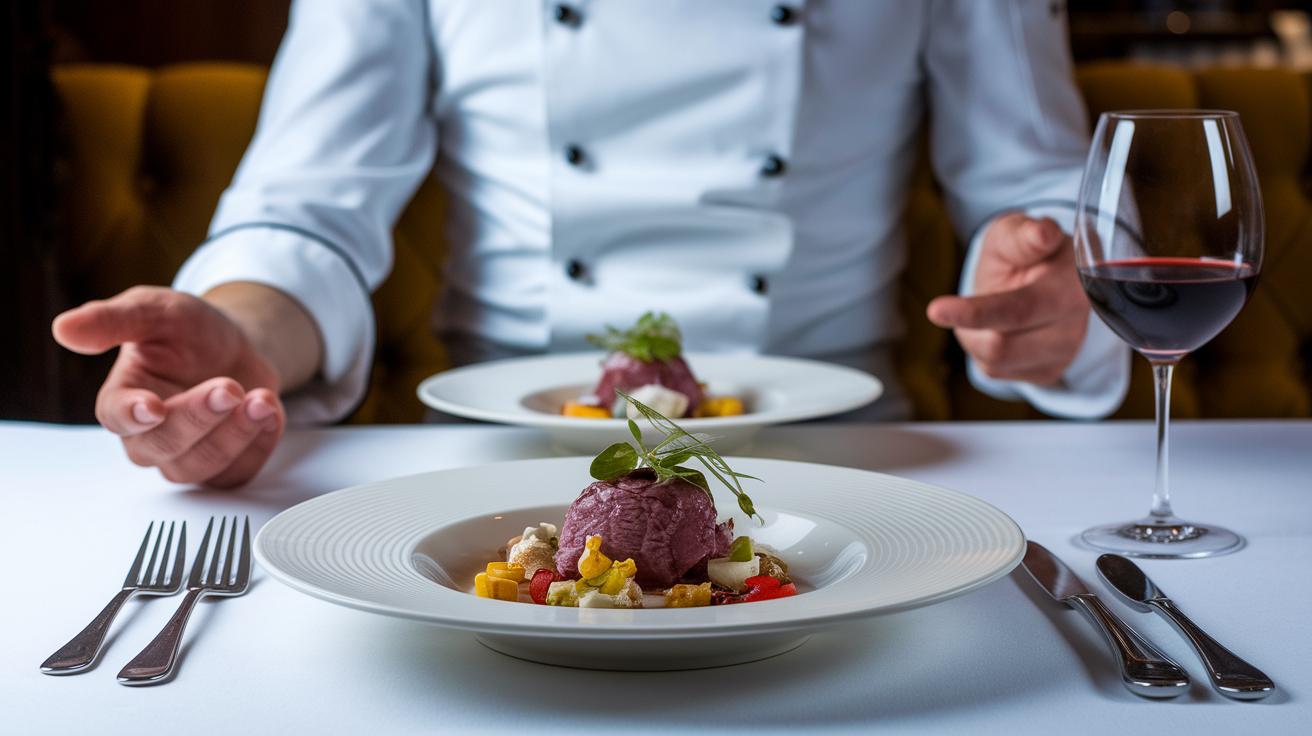
Old traditions still shape today's fine dining. Think of a dinner where you enjoy each course one after the other, first a starter, then a main dish, and finally dessert, each arriving with friendly care and attention. Chefs use time-tested recipes passed down through generations, so every plate feels like a small story of the past brought to life.
At the same time, fresh ideas are sparking new ways to craft memorable meals. Modern research on nutrition and a focus on taking care of our planet inspire chefs to mix classic techniques with smart, new twists. Imagine a chef using digital tools to create a meal just for you, or trying out plant-based dishes that feel light and thoughtful. This blend of old and new invites you on a culinary adventure that keeps gourmet cooking exciting and alive.
Final Words
In the action, we traced gourmet cuisine’s growth from early fire-based cooking to modern, tech-savvy kitchens. The blog post shared key milestones, from the rich days of feasts and refined techniques to the age of chef legacy and creative innovations that continue to shape our plates.
This quick look into the history of gourmet cuisine leaves us with a taste of culinary transformation, inspiring a bright, flavorful future for every diner. Enjoy your next meal with a spark of wonder.
FAQ
What is the history of gourmet foods?
The history of gourmet foods starts with early cooking methods and medieval feasts, evolving into refined techniques in professional kitchens. It highlights centuries of culinary progress.
What is gourmet and what is gourmet cuisine?
The term gourmet describes food made with high-quality ingredients and artful presentation. Gourmet cuisine blends traditional methods with modern ideas to offer refined, flavorful dishes.
Where does gourmet originate?
Gourmet originates from European culinary traditions, evolving from simple cooking methods and noble feasts to a sophisticated art form shaped by classically trained chefs.
What are some examples of gourmet food?
Examples of gourmet food include artisanal cheeses, specialty cured meats, innovative fusion dishes, and seasonal delicacies presented with an artistic flair that excite the palate.
What is the history of gourmet cuisine in America?
American gourmet cuisine evolved by merging local ingredients with classic European techniques. This shift was influenced by chef-led schools and major culinary movements that redefined fine cooking.
How is gourmet pronounced?
Gourmet is pronounced “gour-MAY,” a nod to its French roots, with a smooth emphasis on the second syllable that conveys its refined nature.
What are haute cuisine dishes?
Haute cuisine dishes are finely crafted meals utilizing premium ingredients. They are prepared with precise techniques and artistic plating that set a high standard for culinary excellence.
Who is the father of American style gourmet cooking?
James Beard is often celebrated as the father of American style gourmet cooking. His influence reshaped culinary techniques and popularized a refined approach to using local ingredients.

