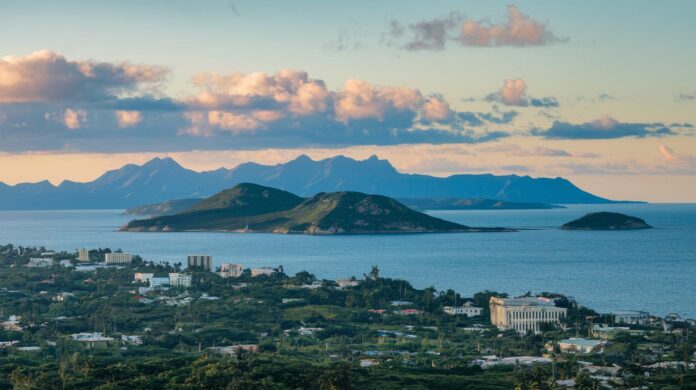
Ever dreamed of a place that stretches over 42,426 square miles of pure magic? Cuba isn’t just a big island, it’s a vibrant showcase of history and culture that truly stands out in the Caribbean. With its vast landscapes and time-honored traditions, Cuba feels like a living storybook waiting to be explored.
Step in and experience Cuba’s mix of natural beauty and deep-rooted customs. Imagine the warm sunlight, the gentle breeze, and the rich stories woven into every corner of this enchanting island. Each tradition and landscape invites you to discover a new tale of wonder.
Cuba: Largest Caribbean Island by Land Area
Cuba is the biggest Caribbean island, stretching over 42,426 square miles. It sits proudly in the Greater Antilles and sparkles with both a huge landmass and a rich culture. With just over 11 million people, the island buzzes with life and invites travelers to explore its wide, varied landscapes and age-old traditions. Imagine wandering a place where every twist and turn reveals a new piece of history and beauty.
Comparing Cuba with its neighbors makes its grand size even clearer. For example, the Dominican Republic covers about 18,792 square miles and Haiti just 10,641. Even smaller islands like the Bahamas, Jamaica, Puerto Rico, and Trinidad and Tobago remind us how unique Cuba really is. For travelers who love a mix of vast spaces and rich culture, Cuba is truly the benchmark in the Caribbean.
| Island | Area (sq mi) |
|---|---|
| Cuba | 42,426 |
| Dominican Republic | 18,792 |
| Haiti | 10,641 |
| Bahamas | 5,358 |
| Jamaica | 4,243 |
| Puerto Rico | 3,425 |
| Trinidad and Tobago | 1,980 |
These numbers make it easy to see why Cuba stands out. Its massive size gives the island a unique character that mixes natural beauty with vibrant community life. Whether you’re planning your next adventure or simply daydreaming about travel, Cuba promises a memorable journey at every turn.
Implications of Landmass Size in Caribbean Islands

Among the Caribbean islands, size really makes a difference. Take Cuba, for example. It’s the biggest island and offers a mix of climates. One minute you can feel the dry heat of a tropical patch, and the next, you’re walking in a lush rainforest. Did you know that Cuba experiences several climate zones in one location? This variety shows just how much an island's size can shape its natural environment.
The size of an island also influences its economy. On large islands, there’s room for farming, building roads, and developing towns. Smaller islands, on the other hand, often focus on busy centers and tourism. It’s like planning your day, spread out on a big island, or keep everything compact on a small one. This idea helps us understand how land area can guide the way local economies grow.
Even where people decide to live and how they use the sea depends on how large an island is. Rural communities usually bloom on big islands where there is plenty of space and less crowding. This pattern not only affects local cultures but also shows how island size touches on everything from settlement choices to business opportunities in the Caribbean.
Population Profile of Cuba, the Largest Caribbean Island
Cuba is home to more than 11 million people, making it the most lively island in the Caribbean. The place hums with life and energy, and you can feel its vibrant pulse in both its busy cities and quiet country towns. Just think about it, while Haiti has almost the same number of people, more than half of its population is under 25, which really shows how the youth shape everyday life and community vibes in the region.
On the island, having so many people means that the way cities are built mixes modern comforts with old-fashioned neighborhoods. This means there’s a good blend of new infrastructure and timeless local style, ensuring that public services reach even the smallest corners. And when you compare it with the Dominican Republic, which ranks 85th in the world for population, Cuba’s numbers help create a uniquely rich and colorful community feel that defines life on the island.
Geographic Context: Positioning the Largest Caribbean Island in the Antilles
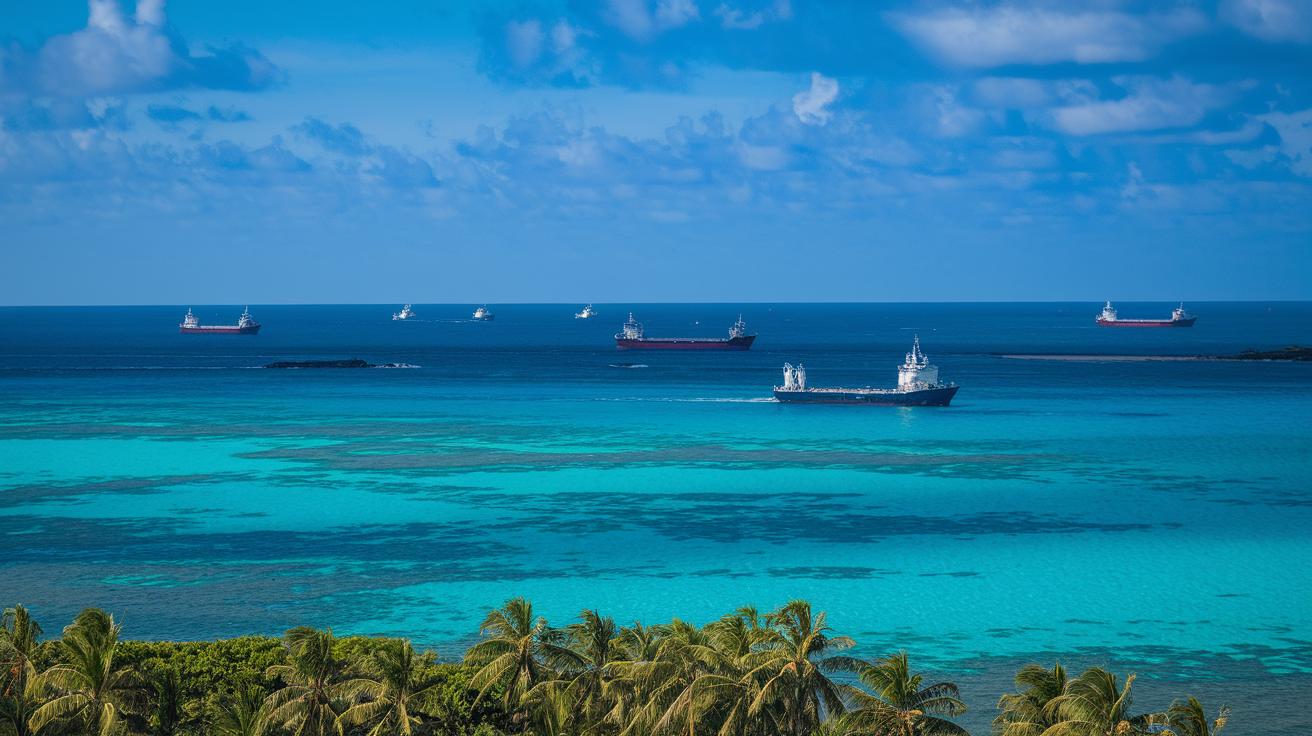
Cuba is right at the heart of the Caribbean and sits in the northwest corner of the Greater Antilles. It's one of two main island groups in the region, and you can find it just at the opening of the Gulf of Mexico, north of Hispaniola. This unique spot blends tropical beauty with a key role in maritime history.
The island borders the shimmering Caribbean Sea to the south and meets the Florida Straits on its northwest side. These natural boundaries have long influenced trade and navigation, making Cuba a must-stop for both travelers and merchants. Imagine the refreshing sea breeze and clear routes that have welcomed ships for centuries!
Over time, Cuba's smart location helped shape sea routes that linked different cultures and economies. Its closeness to important waterways meant that goods and ideas could easily travel from one port to another. By being part of ancient trade networks, Cuba not only grew its own rich culture but also boosted regional commerce. Today, its influence still guides modern sailing paths and keeps coastal communities vibrant and lively.
Final Words
in the action, we explored Cuba's impressive size, climate diversity, and vibrant culture.
We touched on its landmass details, population profile, and strategic positioning in the Caribbean Sea.
Each section brought clear insights, making the information easy to follow and enjoyable.
The article turned complex data into engaging points that spark curiosity about cruise options and island life.
Enjoy planning your next cruise adventure and remember, Cuba shines as the largest caribbean island.
FAQ
Q: What is the largest Caribbean island by land area and why is it significant?
A: The largest Caribbean island by land area is Cuba. With 42,426 square miles, it stands out for its vast size, varied climate zones, and diverse natural features that shape its unique regional character.
Q: What is the population profile of the largest Caribbean island?
A: The largest Caribbean island, Cuba, hosts a population of over 11 million people. This high number supports lively urban centers and a mix of cultural traditions, making it a vital hub in the region.
Q: Which Caribbean islands rank among the largest by area?
A: In addition to Cuba, islands like the Dominican Republic, Haiti, the Bahamas, Jamaica, Puerto Rico, and Trinidad and Tobago rank among the largest in the Caribbean. Each offers its own blend of natural beauty and cultural heritage.
Q: Is Trinidad the biggest Caribbean island?
A: Trinidad is not the biggest Caribbean island. Cuba holds that title, exceeding Trinidad by a wide margin in both land area and population, highlighting its importance in the region.
Q: What are some notable listings of Caribbean islands based on size?
A: Listings often feature the top five or top 10 largest Caribbean islands by area and population, as well as the top smallest islands. These lists help travelers appreciate the diversity and scale of islands in the Caribbean.

