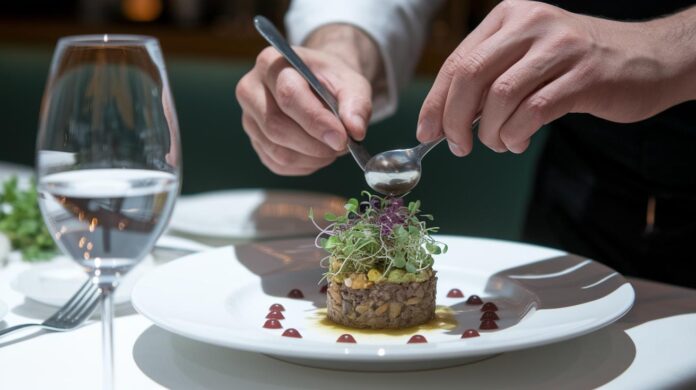
Have you ever wondered if a fancy meal could actually hurt our planet? Some creative chefs are proving it’s possible to enjoy high-end dining while taking care of the earth.
Using fresh, local ingredients and smart ways to cut down on food waste, these meals are crafted with thought and care. Every dish tells a story of passion and helps support local communities while protecting our natural world.
In this post, we dive into how gourmet dining mixes amazing flavors with eco-friendly practices. It shows us that elegance and care can come together beautifully on every plate.
Integrating Sustainability into Gourmet Dining Experiences

High-end food is getting a fresh, thoughtful twist. Nowadays, diners look for more than just fancy presentations, they want meals that show care for the earth. With rising concern over our planet's health, top restaurants now focus on using local ingredients from nearby farmers, fishermen, and artisans. Chefs openly share where their ingredients come from, and each dish tells a story of respect for nature and fairness in the community.
Restaurants are also paying close attention to serving just the right amount to cut waste. They use simple, smart techniques like on-site composting and careful portion control. This not only helps the environment but also makes the dining experience feel even more special. Every detail, from the ingredients chosen to the way the food is plated, shows a real commitment to keeping our world vibrant and tasty.
Ethical and Local Sourcing in Sustainable Gourmet Menus
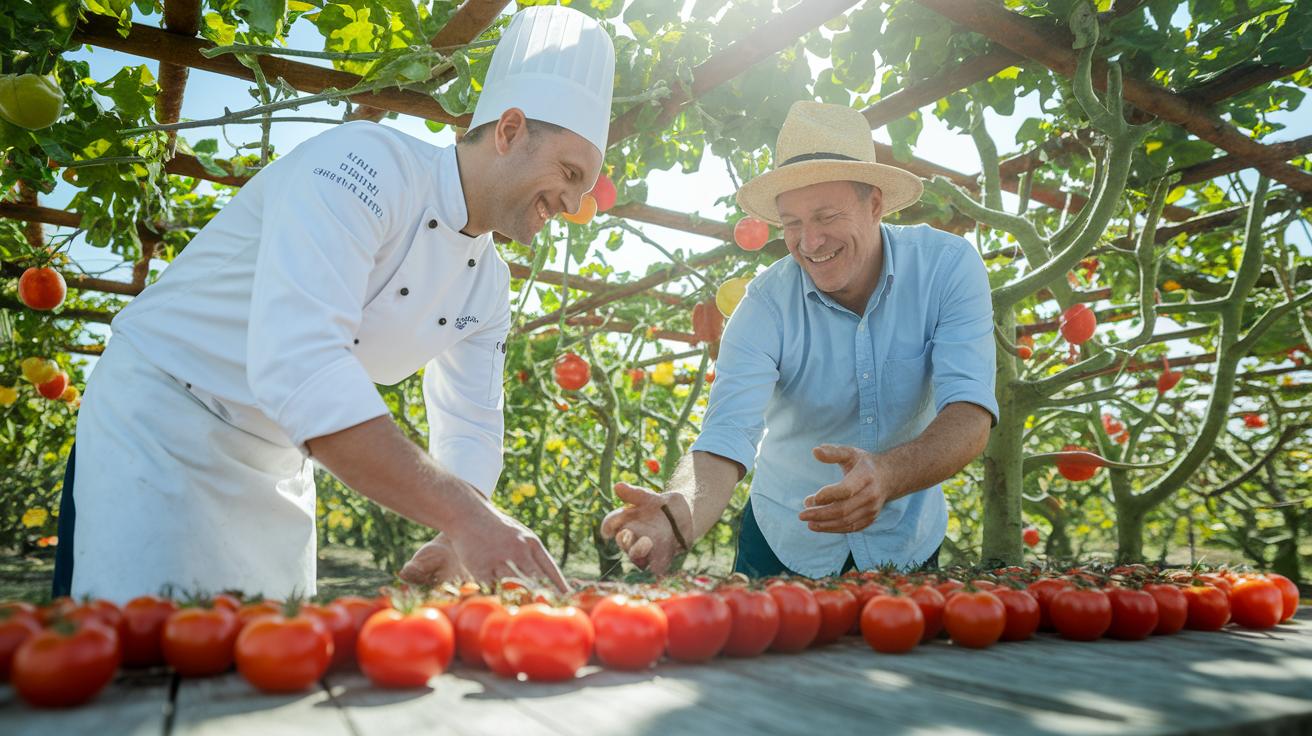
When you sit down for a meal, it's comforting to know every bite comes with a story. Chefs are now teaming up with local farmers, fishermen, and artisans to ensure the food on your plate is created fairly and with care. This way, the people behind your meal get fair wages and our community enjoys fresher, locally grown ingredients. Plus, cutting down on long-distance transport means cleaner air for all of us.
Each ingredient is like a little adventure, imagine a family farm where tomatoes thrive in natural soil, brought straight to your fork. This transparent approach gives every dish a warm, personal touch. It’s like having an insider tip on what makes your meal truly special.
| Source | Benefit | Implementation Tip |
|---|---|---|
| Local Farms | Fresher produce, lower carbon footprint | Establish seasonal CSA partnerships |
| Artisanal Producers | Unique heritage items | Attend regional food fairs |
| Seafood Fisheries | Sustainable catch, MSC-certified | Rotate species by season |
| Urban Agriculture | Microgreens, herbs on-site | Install rooftop or hydroponic units |
Chefs now take the time to track every ingredient from its source to your table. They share stories like, "Our herbs come fresh from a local urban garden," making you feel confident about what you eat. In this way, ethical sourcing and keeping tabs on every bit of produce not only boost sustainability, they also create a dining experience filled with care and connection.
Green Cooking Techniques and Chef-led Sustainability in Fine Dining
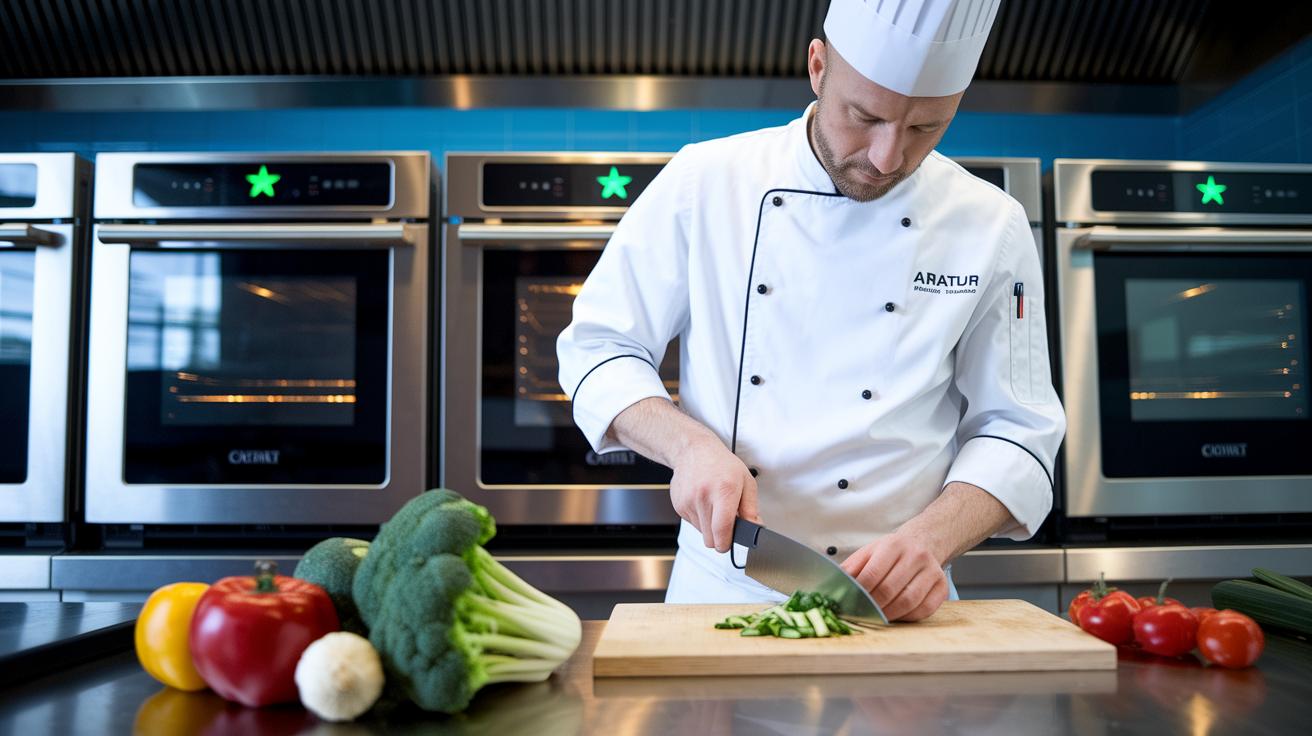
Restaurants are switching to energy-saving tools that really cut down on their environmental footprint. Kitchens now have Energy Star-rated ovens, fryers, and dishwashers that use less energy and water. Imagine a chef chopping veggies knowing every tool is helping to save resources, it feels good, right?
Chefs are also using every bit of an ingredient. They work with root-to-leaf and nose-to-tail recipes to make sure nothing goes to waste. This means whether it's a vegetable or an animal, every part is used to create tasty, nature-friendly meals. It’s like turning full ingredients into memorable dishes.
New kitchen ideas are changing fine dining. Some chefs now use packaging you can eat, microgreens grown right on the plate, and ovens heated by the sun. These smart techniques keep flavors great while cutting down on resource use. Every bite on the menu now tells a story of creativity and care for our planet.
Designing Seasonal and Zero Waste Menus for Sustainable Gourmet Dining
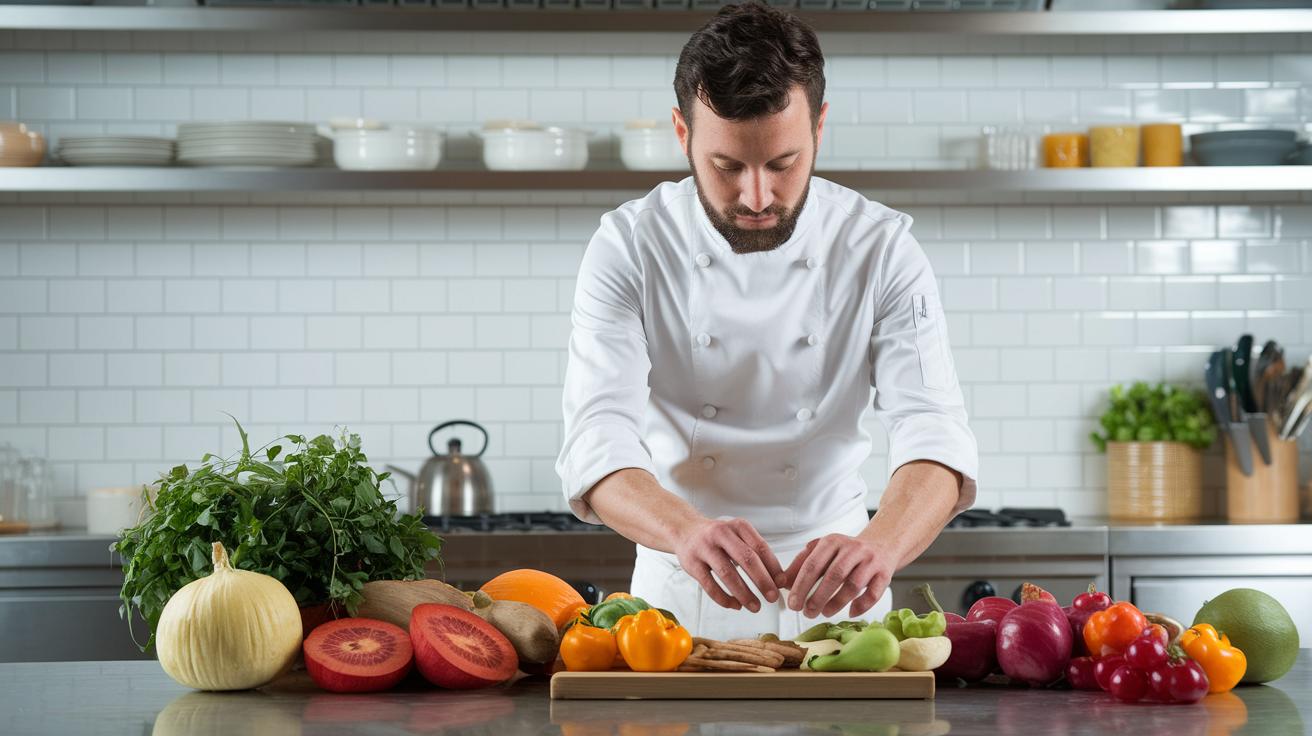
Chefs can craft menus that feel fresh and genuine by using local, seasonal produce. When ingredients are at their best, every dish tastes natural and reflects the season’s spirit. It also gives diners a sense of where their food comes from while supporting nearby growers. For more ideas on creating high-end seasonal menus, take a look at these luxury gourmet dining tips.
Here are five friendly ways to create vibrant, organic gourmet recipes that cut down on waste:
- Switch up your dishes as produce peaks. Changing your menu often makes sure you shine a light on the best each season has to offer.
- Focus on local grains and legumes. Using staples sourced from your area adds an authentic, regional touch.
- Save off-cuts for stocks and garnishes. Every bit of your ingredient can be used to make something delicious while reducing waste.
- Try whole-animal protein tasting flights. Using every part of the animal lets you showcase a range of flavors in an exciting way.
- Add in foraged ingredients and homemade preserves. Wild finds and preserves give your dishes that extra local charm.
By using these simple tips, chefs can design menus that are as kind to the environment as they are enticing to eat. Restaurants are also embracing zero waste strategies, such as on-site composting and smart methods to reuse ingredients. When every component is valued from field to plate, the dining experience becomes a heartfelt promise to care for our planet while delighting our senses.
Restaurant Innovations and Sustainability Certifications in Gourmet Settings
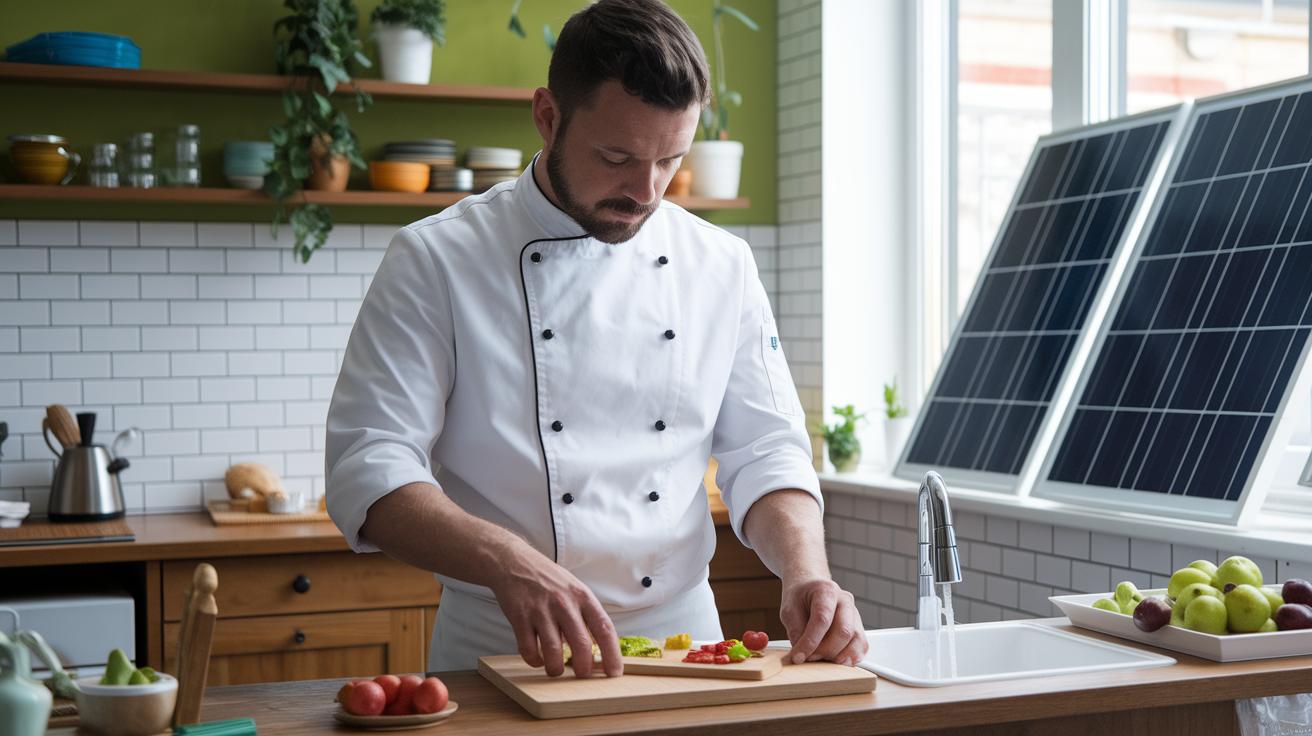
Restaurants today are taking simple yet smart steps to go green. They are using solar panels, heat pumps, and water-saving faucets to power kitchens and bathrooms. A chef once said, "Our kitchen runs on renewable energy so we can focus more on creating dishes that care for our earth." It’s like they’re cooking up a better future one meal at a time.
Certification programs and green partnerships add a layer of trust for those who care about the environment. Many restaurants work with groups like the Green Restaurant Association or support efforts like 1% for the Planet. This helps build trust with customers while also keeping the restaurants on track with high green standards. Owners like to share, "We work with sustainable partners to ensure every part of our operation meets strict green standards."
Investing in renewable energy and eco-friendly water systems isn’t just good for the planet, it also helps the restaurant’s budget and reputation. Energy Star-rated appliances might cost a bit more at first, but they save money on bills over time. These savings, combined with official certifications, give diners confidence in their choice of a green spot to eat. All in all, going green makes good sense for both the earth and long-term business success.
Future Trends in Sustainable Gourmet Dining Practices
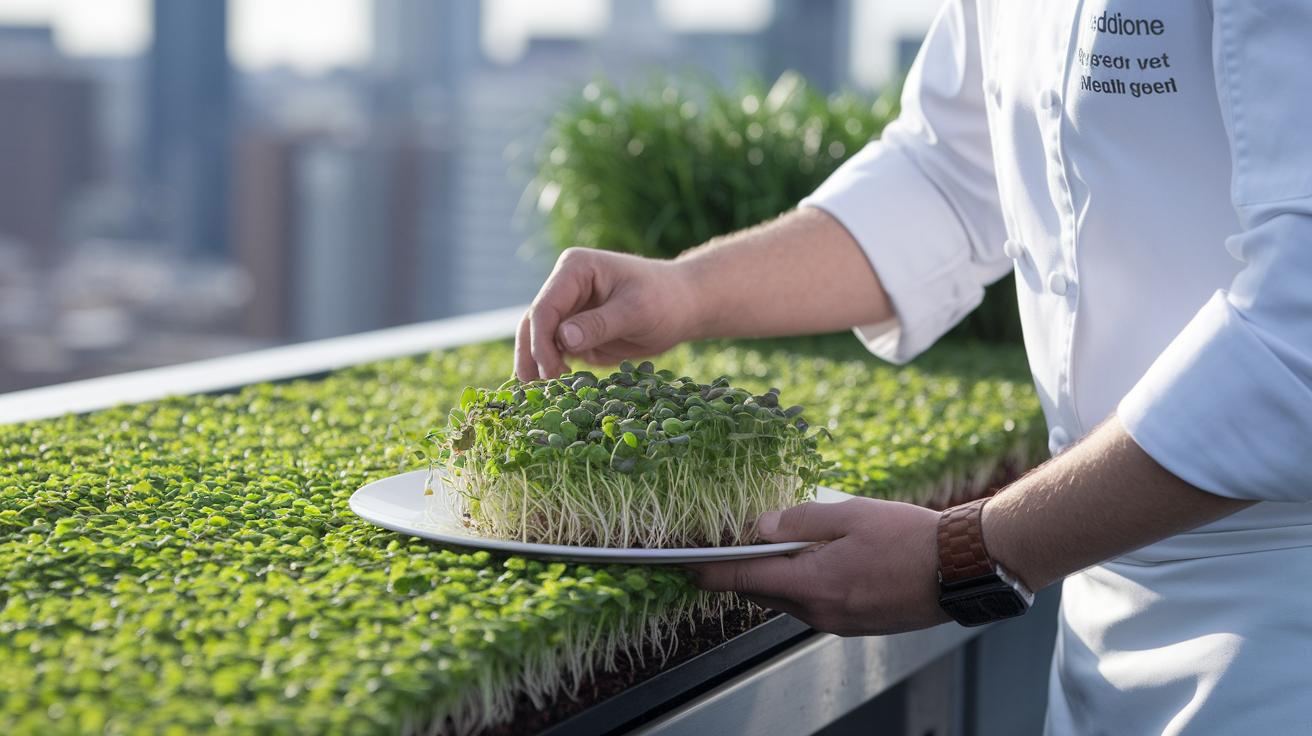
Technology is changing how kitchens find and use ingredients. Now, many restaurants have vertical farms on their rooftops and in their backyards where super-fresh produce is grown right beside where the food is prepared. AI tools even help predict what’s needed, cutting down on waste and making sure every dish is made just right.
Innovative plating and packaging are also becoming a must in eco-friendly gourmet dining. Edible dishware and compostable wrappers are replacing old-school materials, which means less stuff ends up in landfills. Chefs are having fun with creative ideas like adding tiny microgreens on plates and using food-safe, edible wraps for their special dishes. It’s a fresh twist on a classic art form.
Community programs and cooking classes are paving the way for a more sustainable dining future. Climate-smart classes and chef workshops about urban farming are teaching zero-waste techniques. These efforts not only sharpen culinary skills but also bring local food lovers closer together, sparking a new era in responsible gourmet dining.
Final Words
In the action, the article showed how fine dining is embracing environmental responsibility with ethical sourcing, precise waste reduction, and fresh green cooking techniques. It explored steps like local partnerships and innovative kitchen tools that make dining a more thoughtful experience. All this focuses on sustainable gourmet dining practices that bring flavor and care together. The industry is shifting in a positive way, offering a taste of the future where every plate supports both the palate and the planet. Enjoy the forward-thinking spirit of these green culinary ideas!

