
Have you ever felt lost in a sea of confusing cruise words? This guide is like a friendly map that shows you the way. We break down simple cruise words that regular travelers and ship staff use every day.
Once you learn terms like stateroom (your cozy room on the ship) and balcony (your private outdoor space to enjoy the fresh air), everything feels much easier. You’ll be chatting with the crew like an old friend and planning exciting adventures with ease. Get ready to learn the language of cruising and set sail with a smile.
Understanding Cruise Jargon: Your Beginner’s Overview
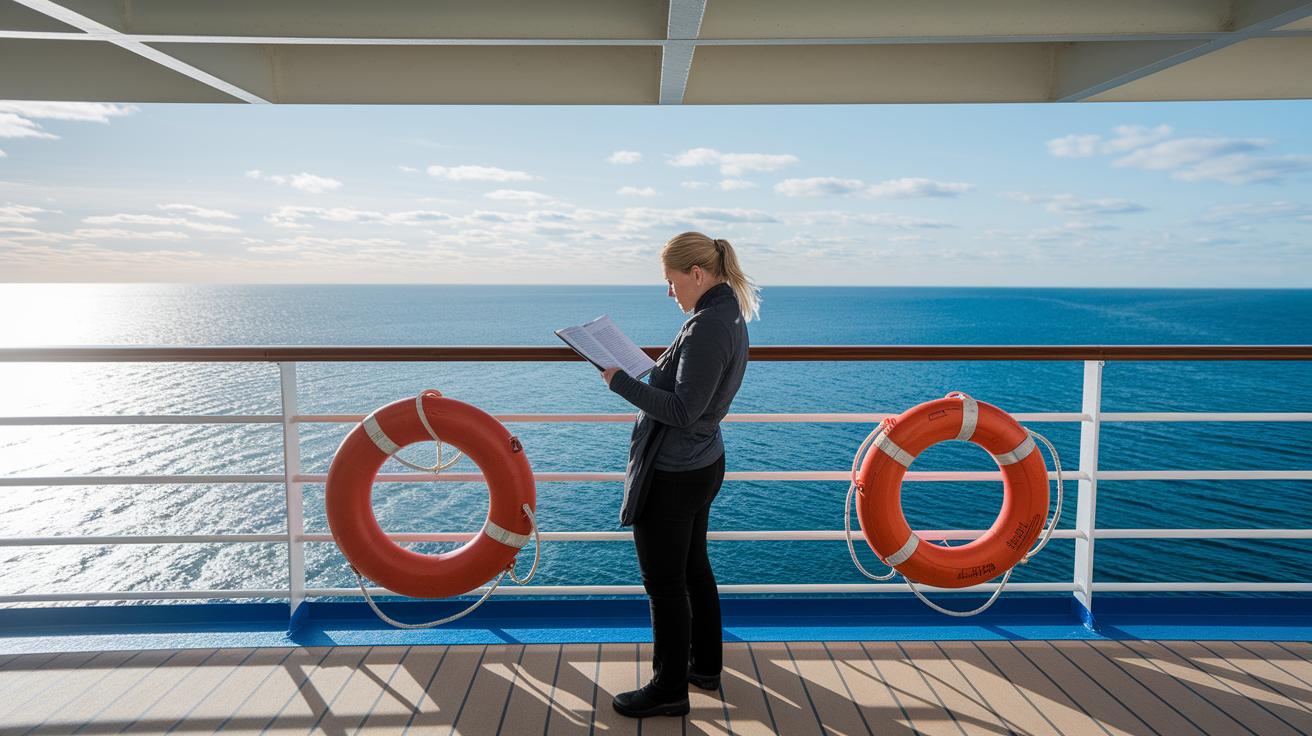
Cruise jargon means the everyday words and phrases that cruise lines and seasoned travelers use to talk about ship life and travel. It helps turn confusing lingo into simple, friendly language so you know the difference between boarding a ship and boarding a boat. Think of it as your quick guide that makes every term feel familiar.
Getting the hang of this cruise speak can boost your confidence when chatting with cabin staff, checking daily schedules, or asking about fun shore visits. It's like having a secret key that unlocks the hidden map of your cruise adventure.
- It makes it easier to ask the crew questions.
- It clears up onboard announcements.
- It simplifies planning your day on the ship.
Learning these words before you set sail keeps things relaxed and fun. You can dive into every moment of your journey without worrying about baffling phrases.
Essential Cruise Jargon Terms Every New Cruiser Should Know

Before you set sail, it helps to learn some basic cruise words so you feel right at home on board. When you know these simple terms, talking with the crew and fellow travelers becomes easy and fun.
Here are ten cruise words every new cruiser should know:
- Stateroom: Your own cozy cabin where you sleep, relax, and have your private time.
- Balcony: A special feature in some cabins that gives you a private outdoor spot to enjoy the open sea.
- Suite: A larger, more luxurious stateroom with extra space and special touches like a separate seating area.
- Interior Cabin: A comfortable option without windows that is kind on your wallet and perfect if you plan to explore the ship most of the time.
- Muster Drill: A safety briefing where you learn what to do in case of an emergency and where to gather.
- Port of Call: The stops on your cruise where the ship docks so you can explore the local area.
- Shore Excursion: A planned outing arranged by the cruise line to help you discover attractions at each port.
- Drink Package: A pre-paid plan that lets you try a variety of beverages throughout your journey.
- Lido Deck: A lively outdoor space featuring pools, dining areas, and cool spots to relax under the sun.
- ETA/ETD: Short forms for Estimated Time of Arrival and Estimated Time of Departure, so you can keep track of the ship’s schedule.
Each of these terms is like a stepping stone to understanding the ins and outs of cruise life, helping you get ready for a smooth and enjoyable adventure at sea.
Cruise Jargon for Ship Areas: Cabins, Deck, and Onboard Layout

When you step aboard a ship, it can feel like entering a brand-new world. Knowing the special names for different parts of the ship makes exploring a lot easier. You’ll hear terms like bow, stern, port, starboard, deck, and atrium. Think of them as friendly signposts that help you find your way, whether you’re looking for your cabin, a great dining spot, or the perfect place to enjoy a cool breeze on deck.
| Term | Definition |
|---|---|
| Bow | The front of the ship where you can admire the stunning water view. |
| Stern | The back of the ship, usually where you’ll find the engine and controls. |
| Port | The left side of the ship when you’re facing forward from the bow. |
| Starboard | The right side of the ship when you face the bow. |
| Deck | A single level of the ship meant for walking, dining, and relaxing. |
| Atrium | A spacious, central area that links different parts of the ship, almost like a common room across levels. |
With these handy labels in mind, you'll feel more at home as you wander through every deck and corridor on your cruise. Enjoy the adventure and take in every moment!
Cruise Jargon for Booking and Planning Your Voyage

When you plan your cruise, you might run into words like open jaw, deposit, and cancellation policy. Open jaw means you fly into one city and leave from a different one, which gives you extra freedom. A deposit is just a part payment that locks in your reservation, and the cancellation policy explains how you can change or cancel your booking. Knowing these terms makes booking your cruise easier and sets clear expectations before you set off.
Cruise fare details and repositioning cruise options also matter a lot when planning your trip. Cruise fare is the base price you pay to sail, and sometimes it even comes with extras like onboard credits. A repositioning cruise takes you from one area to another with a unique schedule, and often for less money than a regular one. Tools like the Royal Caribbean cruise planner (https://theroyalcaribbean.com?p=150) let you see how these parts work together, making the whole process less overwhelming.
Getting ready for your time on shore and onboard means knowing words like port parking, port of call, and river cruise. Port parking is simply where you leave your car when the ship docks. A port of call is a planned stop where you get a chance to explore the local area. And a river cruise is a different kind of journey along inland waterways, offering a closer look at quaint towns and beautiful views. Understanding these little details can make every step of your planning, from packing your bag to choosing the right tour, feel both manageable and exciting.
Using Cruise Jargon Confidently Onboard: Tips for Beginners
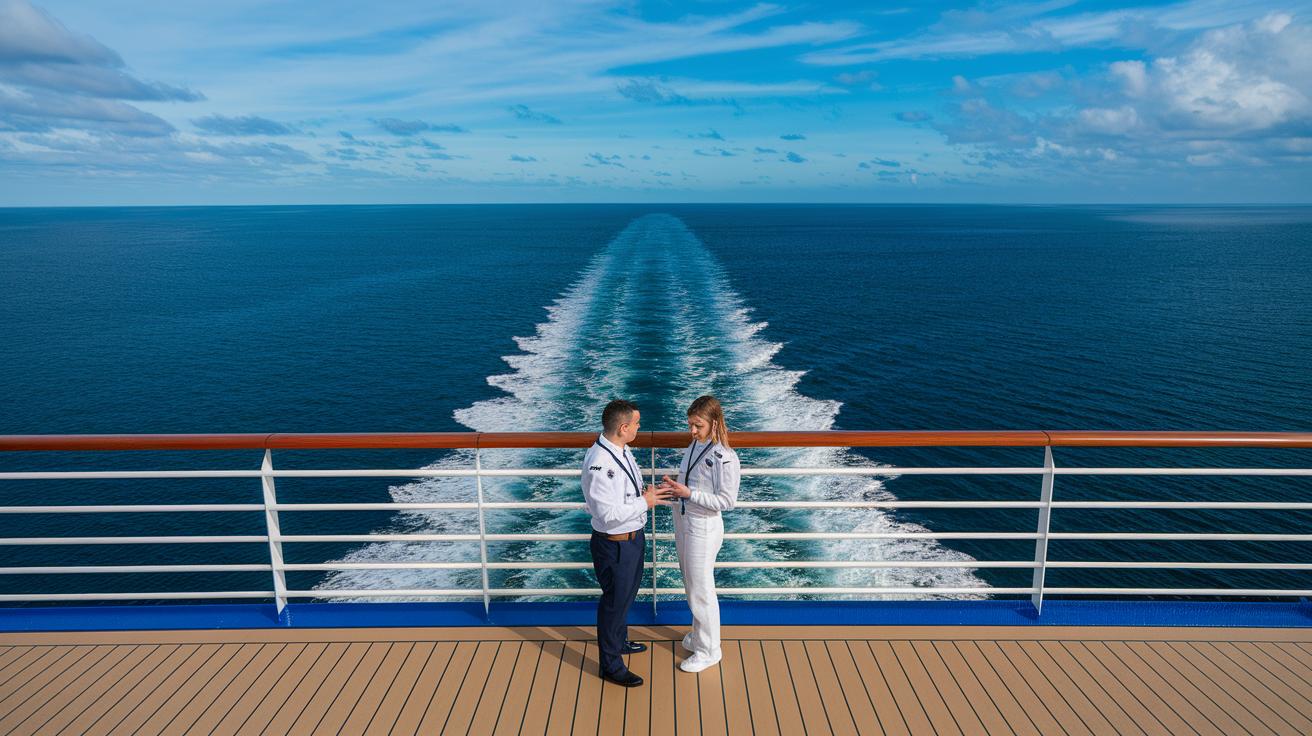
Cruise talk might seem like a secret code when you first step onboard, but it soon becomes part of the fun. Learning a few simple terms lets you ask questions like, "Where is my muster station?" when announcements are confusing. Getting comfortable with phrases like ETA (that's Estimated Time of Arrival), ETD (Estimated Time of Departure), CP, and CAB makes everything run smoother. It’s a little trick that helps you connect with the crew and other travelers without any fuss.
Try practicing these phrases right when you board. Ask, "What time is my ETA?" or "Where's my CAB?" as you start exploring the ship. Listen carefully during daily announcements and even repeat a few words quietly to yourself. This simple habit builds confidence and makes asking for help much easier.
Soon, using cruise talk will feel as natural as chatting with old friends. You’ll be ready to enjoy every moment of your adventure onboard.
Final Words
In the action, the blog post guides you through a simple beginners guide to cruise jargon, breaking down terms for cabins, decks, and booking details. It shows you how plain language about cruise lingo can boost your confidence and help with smooth planning.
The text shares easy-to-understand tips and clear examples to simplify your way onto the ship. With practical insights, you’re set for confident cruise planning and unforgettable moments at sea. Enjoy this clear and friend-like approach to cruise language.
FAQ
What is a beginner’s guide to cruise jargon?
A beginner’s guide to cruise jargon explains key onboard terms like stateroom and muster drill so you can feel ready and at ease when boarding your ship.
What are cruise ship terminologies from A to Z?
A complete list of cruise ship terminologies covers everything from cabin types to safety alerts, ensuring you understand every term used onboard, making your cruise experience smoother.
What are some common cruise ship slang words and funny cruise terms?
Cruise ship slang includes playful terms that add fun to conversations onboard. These words help lighten the mood and create a friendly atmosphere as you interact with fellow passengers.
What is the 3:1:1 rule on cruises?
The 3:1:1 rule on cruises generally refers to guidelines for carrying onboard liquids, with limits on container size and total volume. Always check with your cruise line for their specific rules.
What does pineapple mean on a cruise?
On a cruise, the term pineapple can be used as a lighthearted symbol representing a friendly vibe or special onboard perks in some cruise circles. Meanings can vary by ship.
What should first-time cruisers know?
First-time cruisers should know basic cruise terms, packing tips, and how to ask crew for help. This vital information builds your confidence and helps you enjoy every moment onboard.
What are the cruise terminologies used in cruise ships?
Cruise terminologies include words for cabin types, deck locations, and onboard events. Knowing these terms makes communication smoother and helps you feel more confident while traveling.
Which cruise lines are featured in guides about cruise jargon?
Guides often mention cruise lines such as Carnival Cruise Line, Royal Caribbean Group, Disney Cruise Line, MSC Cruises, Celebrity Cruises, and Princess Cruises, each offering its own unique onboard language and style.

