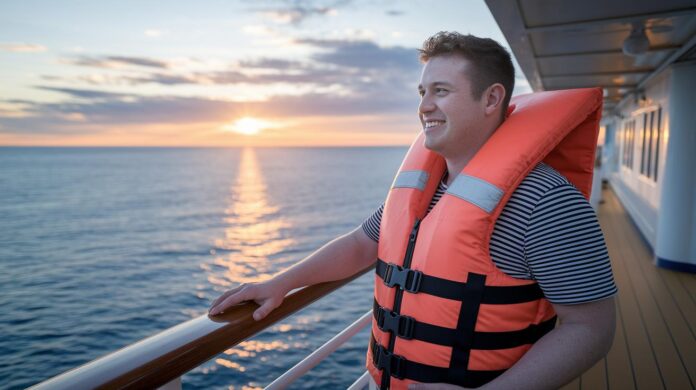
Ever wonder if your cruise safety plan really has you covered? A lot of travelers don’t think about it until something unexpected happens. Imagine having a few trusted steps that let you relax in the sun while feeling safe on board.
This guide shares practical tips to help you stay alert, handle surprises calmly, and enjoy smooth sailing. With these simple pointers, you can kick back and focus on the fun, knowing you’re well-prepared for whatever comes your way.
Step-by-Step Cruise Safety Guide Essentials

When you're on a cruise, a little safety routine goes a long way. It helps you dodge mishaps and lets you relax while enjoying that refreshing sea breeze and lovely views. Think of it like having a few trusted travel tips that keep your mind at ease.
Every traveler should keep these simple tips in mind. They not only protect you from everyday risks but also help you handle surprises calmly. Here are some friendly reminders:
- Always have a buddy with you on deck and when you go ashore.
- Stay clear of folks who seem too drunk.
- Follow the safety signs and rules posted around the ship.
- Avoid high-risk areas like wave machines or similar equipment.
- Always wear closed, non-slip shoes.
- Keep your valuables safe in your cabin and only carry the essentials.
- Pack a small first-aid kit with bandages, antiseptic wipes, and pain relievers.
- Drink in moderation so you stay alert.
- Attend all safety briefings and muster drills.
- Before you set sail, use a cruise checklist (like the one at https://theroyalcaribbean.com?p=176) to double-check your preparations.
These simple steps form the backbone of a trustworthy cruise safety guide. When you make them part of your routine, you're setting yourself up for a journey that's both secure and memorable. Enjoy every moment on board, knowing you're well-prepared for whatever comes your way.
Selecting a Secure Ship and Travel Insurance in Your Cruise Safety Guide

When you're planning your next cruise, it pays to check official scorecards and travel advisories. Look at the CDC’s Cruise Ship Score Card to see when ships were last inspected and how they scored. A perfect 100 means the ship has met high safety and hygiene standards, and that can really boost your confidence in your choice.
Before you even step onboard, keep an eye on key marine security measures at the port. It’s a good idea to review the terminal’s inspection routines and how secure the boarding area is. When you’re walking through the terminal, ask about secure access points and follow clear signs to safe waiting spots. These small details show you that the crew is serious about safety from start to finish. Plus, it’s smart to check that the cruise line stays updated with travel advisories for each port you’ll visit.
Make sure to choose travel insurance that includes onboard medical care, emergency evacuations, and help if you miss your departure. This extra protection can save you from unexpected costs and lets you focus on enjoying your journey.
Cruise Safety Guide: Muster Drills and Lifeboat Operations
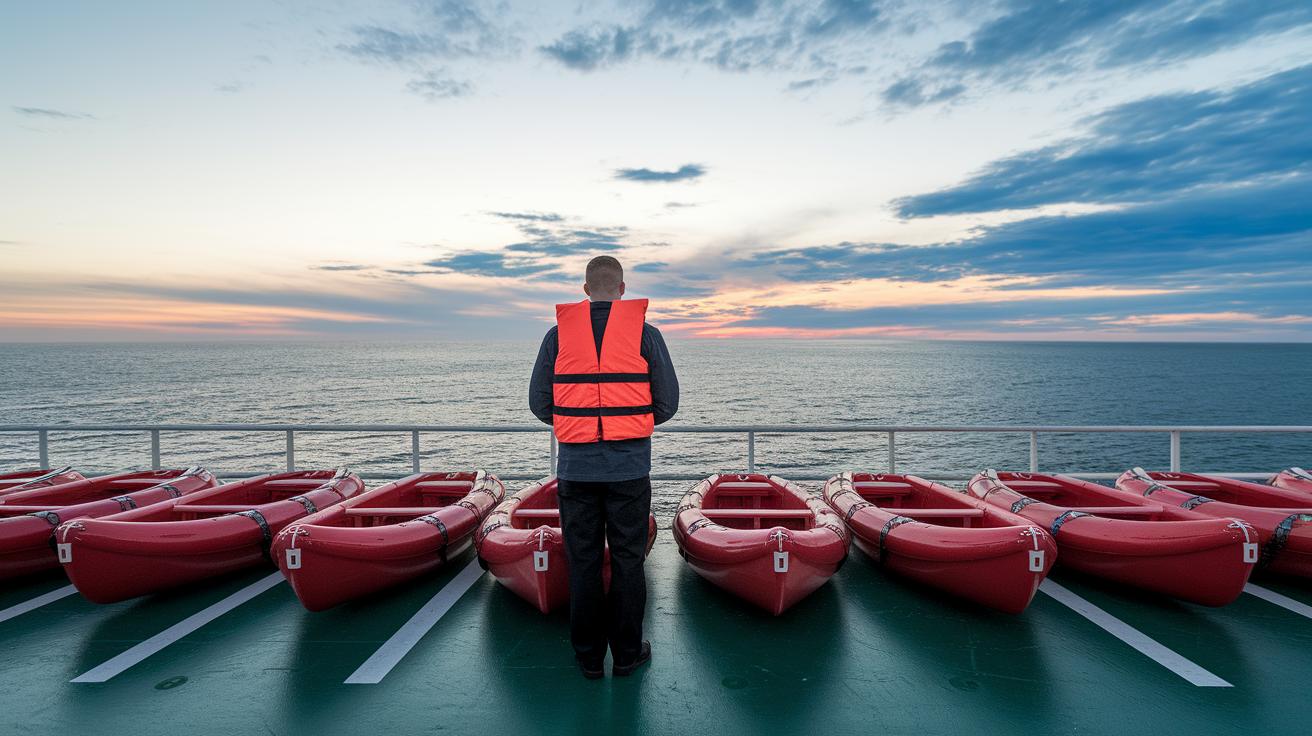
Right after you set sail, you'll join a muster drill. This is a hands-on safety practice where you learn where the lifeboats are, how to properly wear your life vest, and where everyone should gather if there’s an emergency. Think of it like a fun practice run that makes sure you know what to do when it counts.
| Lifeboat Station | Capacity | Key Procedure |
|---|---|---|
| Station 1A | 150 | Check vest fit, board in single file |
| Station 3B | 120 | Listen for crew commands, maintain calm |
| Station 5C | 180 | Secure vest straps, await lowering signal |
On top of that, you'll go over the ship’s evacuation routes. Crew members will guide you along the clearly marked paths to emergency exits and show you how to reach safe assembly points quickly. It’s like taking a guided tour of your escape plan, with plenty of time to ask questions and get comfortable with every step.
This well-organized drill helps keep everyone calm and ready, should you ever need to evacuate. By watching the crew and understanding the paths, you come away feeling more confident and secure. Enjoy this time to get familiar with your surroundings and know that your safety is the top priority.
Shipboard Emergency Drills and Fire Prevention in Your Cruise Safety Guide
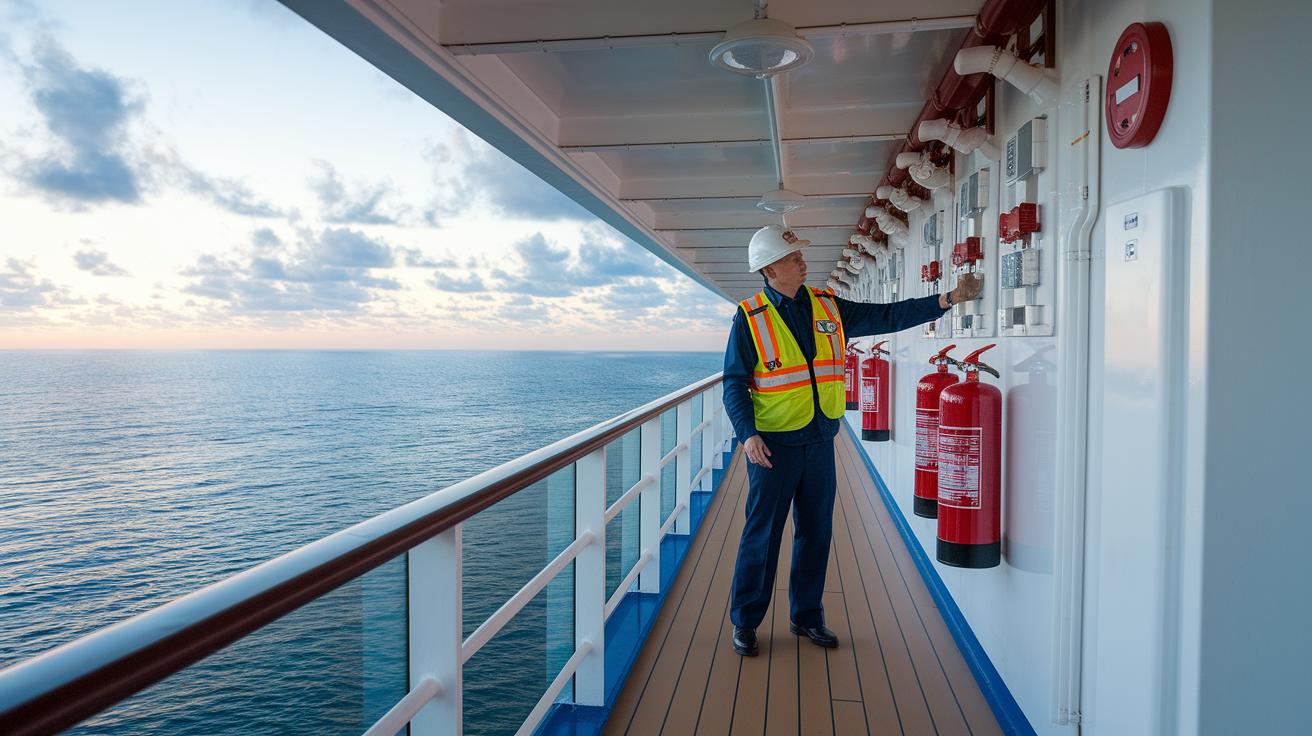
Cruise ships run fire drills every 72 hours or based on rules from the ship's country, so everyone knows what to do in an emergency. The crew takes part in these drills to follow safety rules and keep best practices fresh in their minds.
To stay safe from fires, the crew checks all kinds of fire-fighting gear during regular safety reviews. They make sure that fixed sprinklers, portable fire extinguishers, and backup power systems are all in good shape. Smoke detectors and special doors that keep water out are also tested. The crew practices these drills all over the ship, so every area is covered by safety rules. This constant training helps passengers feel safe knowing that the ship is ready to handle any fire.
When the fire alarm sounds, passengers have an important job. Just follow the alarm, listen to the crew's clear instructions, and go calmly to the marked exits.
Health Safety Precautions and Medical Preparedness for Cruise Passengers

When you step aboard a larger cruise ship, you'll quickly notice the onboard medical team is ready to help. Most ships have one or two doctors and a few nurses who carry handy tools to check common issues, so any hiccups in your health can be sorted out fast.
If you end up with a minor cut or a sudden cold, the cruise clinic is there to take care of you. The onboard doctor will add any treatment charges to your cabin account, so it's smart to check your insurance coverage before you set sail. The team is trained to quickly assess your situation and offer first-line help, keeping things simple so you can enjoy your cruise without worry.
As you pack, remember to include your daily prescriptions, some pain relievers, antiseptic wipes, and a little hand sanitizer. A small personal medical kit can also give you extra peace of mind. Plus, many cruisers find that travel insurance covering emergency medical evacuation is a wise choice, considering how costly care at sea can be.
Cruise Safety Guide: Personal Behavior and Essential Gear

When you're cruising, how you act and what you wear can really add to your safety. Think of these tips as extra help that works with the ship's own safety systems.
Stick with a friend when you're out on deck or exploring onshore. It’s much safer to travel in pairs, and if you ever decide to go solo, be sure to let someone know. Also, avoid giving rides to people you don't know.
Wear closed, non-slip shoes whenever you're not in your cabin. This helps you avoid slips and keeps you steady as you move around. When you're back in your cabin, keep your door locked and use the peephole to check who's knocking before you open up.
If you see anything out of the ordinary, a hazard or unusual activity, report it using the onboard guest app or intercom. These small steps not only boost your own safety but also help the crew keep everyone secure. Enjoy your time at sea and travel smart!
Cruise Safety Guide for Shore Excursions and Secure Docking Procedures

When you join a group tour on a shore excursion, safety becomes a team effort. You get to explore tourist-friendly areas with built-in security measures. Plus, guided tours are planned by the cruise line, so they stick to trusted itineraries and do proper port checks. It’s like having travel buddies and staff all keeping an eye out for any little hiccups when you leave or come back on board. Organized tours follow clear terminal inspection rules and docking steps that ease your mind while you discover new places.
It’s also important to look after your own things. Always keep your valuables in the safe in your cabin and just carry a copy of your passport when you step ashore. Stay alert to simple signals like secure berth signs and wait for the proper gangway clearance before stepping off or on. Following these easy tips helps keep your belongings safe and makes sure you’re always accounted for during busy port times. Enjoy your adventures with a little extra peace of mind every time you disembark.
Crisis Scenarios and Storm Preparedness in Your Cruise Safety Guide

Today’s ships use smart weather radars and forecasts to keep an eye on incoming storms. This helps the crew change routes and warn you about any potential rough weather ahead.
When the seas get heavy, always listen for the ship’s announcements arriving through the intercom or shown on digital screens. In stormy weather, it’s safest to stay inside your own stateroom. The decks can be slippery and windy, which could lead to accidents. The crew will update you on any changes to weather and safety steps, letting you know when to secure loose items or check that your safety gear is ready. Paying close attention to these updates and digital signals helps keep you safe from sudden rough conditions and navigational risks.
Your cruise also features emergency communication systems that will inform you quickly about changes to evacuation plans or safety measures. This way, everyone stays aware and protected no matter how turbulent things may get.
Lifejackets are kept safely near muster stations, ready to be used if needed. Simply follow the posted signs to find these stations and know exactly where your lifejacket is during a storm.
Advanced Evacuation Procedures and Sea Rescue Operations in Your Cruise Safety Guide

When a crisis happens, the crew quickly sends out an SOS using clear radio signals. They use the GMDSS radio on VHF channel 16 to let nearby rescue teams know help is on the way. This call sets everything in motion and helps get passengers ready for a smooth and coordinated reaction.
During a serious incident, the crew talks on special radio channels to give clear commands. You might hear an announcement telling you when to put on your immersion suit and where to gather. The crew follows strict maritime rescue rules that match familiar safety patterns, making sure every step is safe and organized. Passengers are encouraged to listen and follow each instruction closely. Imagine that calm voice on the intercom saying, "Please secure your life jacket and move to the nearest assembly point" and how it helps ease any worries.
Once the rescue is underway, passengers are moved to rescue vessels that are waiting nearby. They might need to wear extra safety gear while waiting for a small shuttle to take them further. After this, the crew will guide you through the next steps to ensure everyone gets back to a safe spot.
Final Words
In the action, we unpacked a cruise safety guide that walks you through core precautions like buddy travel, non-slip footwear, and smart shore excursion habits. We explored safety protocols from muster drills and fire tests to advanced evacuation and secure docking procedures. Emphasizing simple, clear steps helps you plan cruises with a relaxed peace of mind. Enjoy your time onboard and ashore, knowing that every precaution is in place for a smooth and safe travel experience.
FAQ
What does the Royal Caribbean cruise safety guide cover?
The Royal Caribbean cruise safety guide covers onboard protocols, emergency drills, and ship security measures designed to keep you safe throughout your voyage.
What information does the Carnival cruise safety guide provide?
The Carnival cruise safety guide offers details on emergency procedures, onboard safety equipment, and general security steps that help maintain a secure environment during your cruise.
What are the Carnival cruise rules for packing and where can I find them in PDF format?
The Carnival cruise rules for packing are provided in PDF form, outlining clear guidelines on what items to pack along with restrictions and safety tips for smooth embarkation.
Are cruises safe from illness?
Cruises are built with health precautions like onboard medical facilities, regular sanitation, and health screenings to help keep passengers well, though personal health measures always strengthen overall safety.
What aspects does Royal Caribbean cruise security focus on?
Royal Caribbean cruise security focuses on controlled access points, surveillance systems, and clear emergency protocols, all aiming to provide a secure and friendly environment aboard.
What are the Carnival cruise new rules for 2025?
The Carnival cruise new rules for 2025 update packing standards, onboard protocols, and safety procedures, aiming to further improve passenger comfort and overall cruise operations.
What is the 3:1:1 rule on cruises?
The 3:1:1 rule on cruises refers to limits on carry-on items—similar to guidelines for liquids restrictions at airports—to help manage storage space and keep safety standards high.
What is considered the riskiest part of a cruise ship?
The riskiest part of a cruise ship is usually the open decks during rough weather or crowded areas, where following safety instructions helps prevent slips or minor falls.
What does a pineapple on the door of a cruise ship mean?
A pineapple on the door of a cruise ship is often a friendly symbol, meant to welcome guests and hint at a warm, hospitable onboard atmosphere that many lines embrace.
What is the one word you can’t say on a cruise ship?
The one word you can’t say on a cruise ship is part of onboard tradition, a playful guideline meant to maintain a respectful and enjoyable onboard experience for all passengers.

