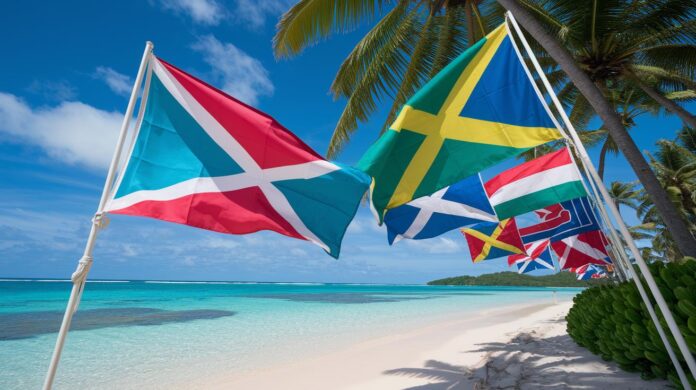
Have you ever looked at a flag and felt its hidden story? Caribbean island flags burst with bright colors that show hope, strength and pride. Each design feels like a warm hello, sharing little snippets of history and the joyful spirit of the people.
Take Jamaica, for example. Its clean shapes speak of a free, proud heart. And then there is Trinidad and Tobago, whose flag radiates friendly energy and warmth. Imagine feeling the gentle sea breeze and hearing the soft flutter of these flags as they tell their tales.
In this piece, we explore how these symbols weave timeless stories that bring a smile to your face every time they wave in the wind.
Caribbean Island Flags: Celebrate Timeless Pride
Caribbean island flags tell a lively story in bold colors and simple shapes. They are much more than decorations, they share the heart, culture, and history of the islands. Imagine strolling along a pier and catching a glimpse of a flag waving in the sea breeze; it’s like the island is giving you a warm, secret hello.
Take the Jamaican flag, for example. Its crisp design with clear geometric shapes speaks of strength and hope. When you see the flag fluttering, you can almost feel the island's resilient spirit and welcoming nature.
These colors and shapes are chosen with care. In Jamaica’s flag, the two black triangles nod to a past full of challenges overcome, while the two green triangles remind us of hope and thriving nature. The bright yellow cross celebrates the nourishing sunlight and fertile land.
Trinidad and Tobago’s flag carries a similar warmth. It features a black diagonal band edged in white, symbolizing the deep bond with the land and a united spirit. The bold red background bursts with energy and vitality that invite you to feel the island’s heartbeat.
| Island | Flag Description | Colors | Symbolism |
|---|---|---|---|
| Jamaica | Two black triangles, two green triangles, yellow cross | Black, Green, Yellow | Black for past hardships; green for hope and fertile lands; yellow for sunlight and soil |
| Trinidad and Tobago | Red background with a white-bordered black diagonal band | Red, Black, White | Black band for the land and strong will; white for water and unity; red for energy and warmth |
| Antigua and Barbuda | Stylized rising sun over a geometric design | Red, Blue, White, Yellow | Marks a bright new day and fresh beginnings |
| The Bahamas | Tricolor with aquamarine, yellow, and black bands | Aquamarine, Yellow, Black | Honors natural beauty and a rich seafaring past |
| Barbados | Vertical stripes of ultramarine and yellow | Ultramarine, Yellow | Represents the sea and endless sunshine |
| Cuba | Stripes with a triangle holding a star | Red, White, Blue | Shows struggle, hope, and the fight for freedom |
| Dominica | Green field with a central parrot and cross | Green, Yellow, Black, White, Red | Celebrates lush nature and a mix of cultures |
| Dominican Republic | White cross dividing red and blue fields | Red, Blue, White | Stands for faith and national unity |
| Grenada | Red flag with a yellow edge and a nutmeg emblem | Red, Yellow, Green | Honors spice heritage and natural bounty |
| Haiti | Two horizontal bands with a central emblem | Blue, Red | Symbolizes solidarity and pride in cultural roots |
| Saint Kitts and Nevis | Diagonal design with green, yellow, black, and red touches | Green, Yellow, Black, Red | Reflects natural beauty and enduring strength |
| Saint Lucia | Blue field with a triangle mix of yellow and black | Blue, Yellow, Black | Combines the vibrant sea with a spirited culture |
Historical Evolution of Caribbean Flag Designs
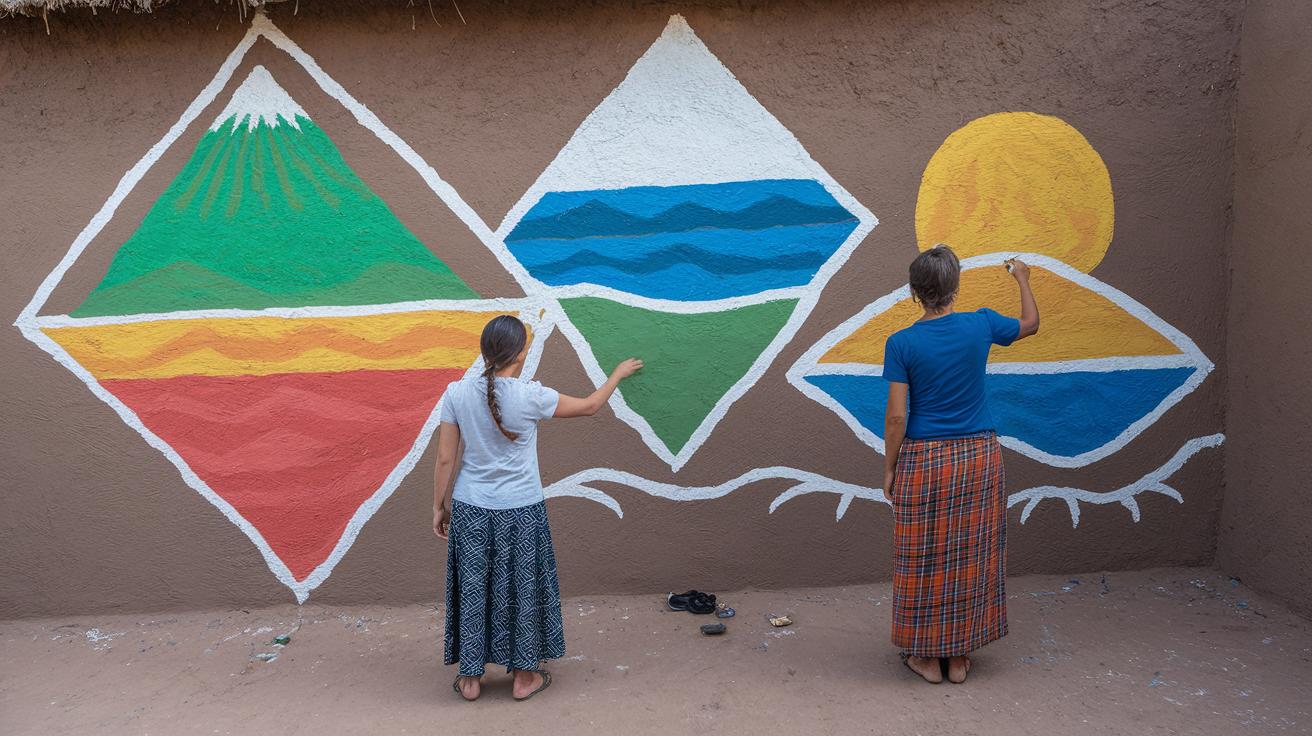
Long ago, before Europeans arrived, native Caribbean folks showed off their identity with bright symbols and simple designs. The first settlers came over from South America around 8000 BCE, decorating fabrics and carvings with natural images and basic shapes. Their flags and markings told stories about the land, water, and sky. Picture villagers painting meaningful symbols on earthen walls; it shows how deep their bond with nature really was. These early creations set the groundwork for a long tradition of visual identity that grew over thousands of years.
Then, after 1492, everything shifted when European explorers arrived. Countries like Spain, Britain, France, and the Netherlands made their mark by adding their own symbols to the Caribbean. They used flags with royal crests and bold color schemes to show who controlled the land. Over time, as power changed hands, these flags blended native traditions with African influences and colonial ideas. It’s amazing to think that the bright, simple patterns even hinted at a future when native values would be celebrated once more.
By the twentieth century, a new chapter began. As countries gained independence, each island proudly designed its own flag to tell its unique story. Imagine planning your day like crafting an adventure, each flag was a mix of past influences and fresh ideas. Take Trinidad and Tobago, for example; in 1962, they unveiled a modern flag full of symbols for unity, strength, and the island’s natural beauty. This era saw native heritage mix with colonial art, creating modern flags that remain a treasured symbol of pride across the Caribbean.
Color and Symbolism Integral to Caribbean Island Flags
The colors on these flags speak volumes about local pride and shared history. Black shows strength gained from tough times, while green hints at the rich promise of the land. Yellow or gold shines like the sun, filling the flag with warmth, and red bursts with a lively energy that brings everyone together. It’s like each hue is a line in a heartfelt diary, telling a story of resilience and hope.
In Jamaica, the flag colors tell tales of past struggles and the land's natural bounty. Black and green mix memories of hardship with the promise of growth, and yellow beams with the sun's life-giving power. Down in Trinidad and Tobago, red creates a warm backdrop, perfectly paired with black and white that echo everyday practicality. One local put it simply: "Our flag colors show how we honor our past and the vibrant life we live today."
Comparative Standard Reviews of Caribbean Flag Design Patterns
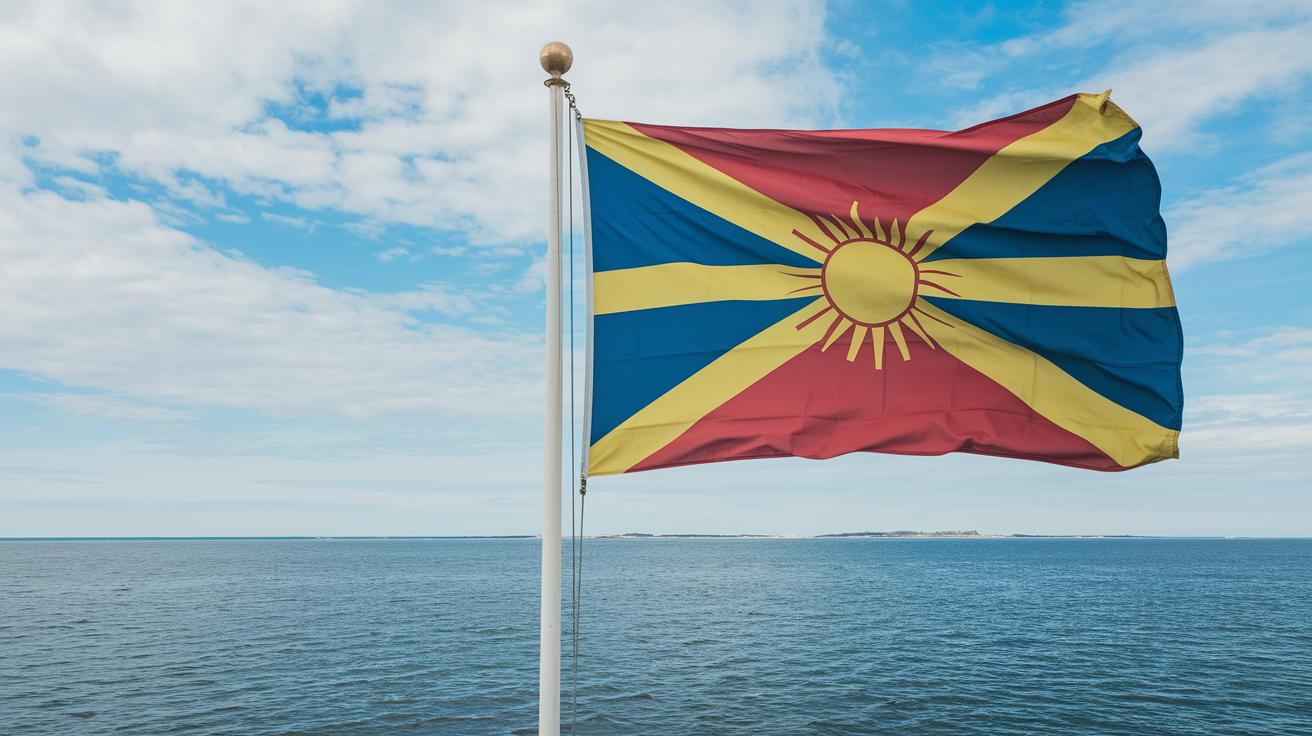
Geometric shapes are at the heart of these national flags. Simple figures like triangles, crosses, and diagonal bands help make each flag clear even from far out at sea. Designers choose these bold, easy-to-spot forms to send a strong message across the waters. Imagine this: one single diagonal line can tell a rich story about a nation’s heritage, keeping the flag easily recognizable no matter the distance.
Across the islands, you'll find symbols that celebrate the sun, land, and sea all at once. These straightforward images mirror the warm tropical colors and natural beauty of the Caribbean. Picture a flag where a bright sunburst meets a gentle blue curve, symbolizing unity and a resilient spirit. It’s like watching the soft glow of dawn over a quiet bay, hopeful and inviting.
You'll notice that detailed crests or busy animal designs are rare in these flags. The focus is on clear, simple designs that are easy to recognize. This minimal style not only honors tradition but also leaves room for fresh, creative ideas in future updates. Think of it as a clean, flowing line that stands out on its own, creating an enduring symbol that carries meaning through the ages.
Final Words
In the action, we uncovered how Caribbean island flags mirror each island's story. The blog highlighted how simple shapes and vivid colors tell tales of triumph and hope. We traced each flag’s evolution from colonial designs to modern symbols, noting how every color and form speaks of unity and cultural pride. The review of design patterns shows that every flag element carries deep meaning. Let these remarkable narratives spark your imagination and add a touch of inspiration to your cruise planning.

